The cover letter is often an overlooked component of the job application process, yet it holds tremendous potential to captivate hiring managers. While many job candidates may consider the resume as the sole vessel for showcasing their qualifications, a well-crafted cover letter weaves a narrative that encapsulates competence, ambition, and personality. This document serves not merely as an introduction but as an opportunity to delve into the intimate motivations behind applying for a position. This exploration uncovers the deeper allure of the cover letter—a blend of vulnerability and professionalism that addresses the common need for authenticity in a candidate’s portrayal.
First, let’s examine the structural elements that yield a compelling cover letter. It typically consists of several essential parts: the heading, salutation, opening paragraph, body paragraphs, and a closing. Each segment plays a pivotal role in establishing the applicant’s intent and suitability for the job in an eloquent manner.
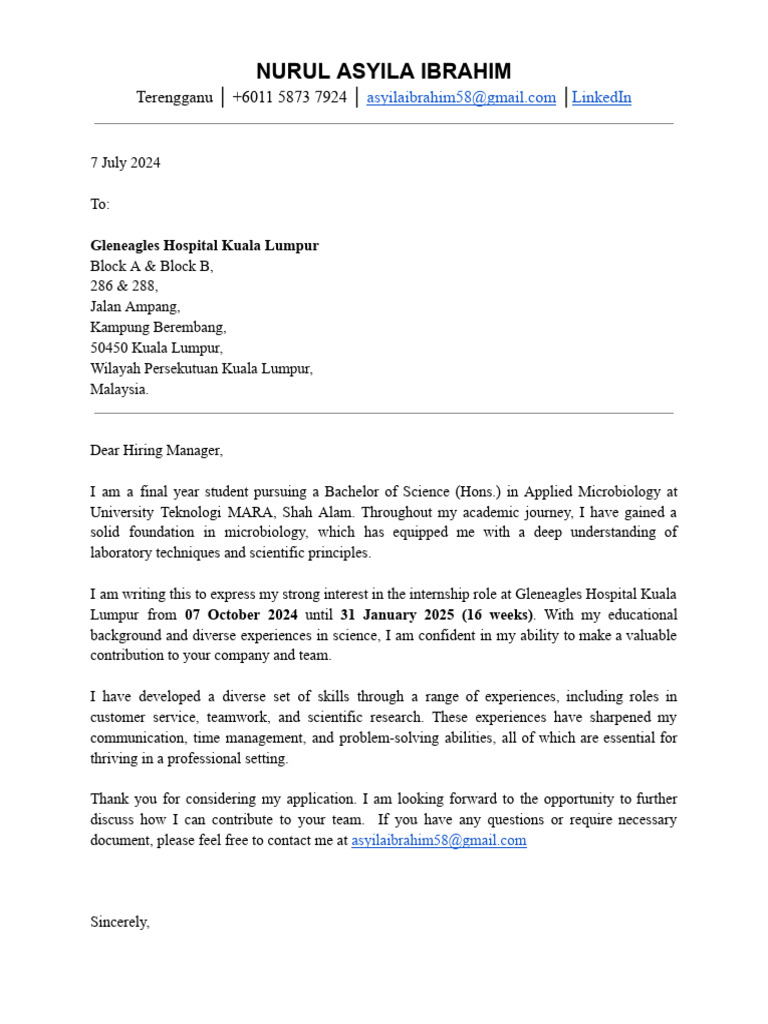
The heading sets the stage. It includes your contact information, the date, and the employer’s details. This formal layout conveys professionalism from the get-go. A simple, yet polished presentation can – and often does – elicit a favorable initial impression. For instance, utilizing a clear and legible font while maintaining proper spacing can differentiate a letter that is merely read from one that is remembered.
Following the heading, the salutation is your first direct interaction with the reader. Using a personalized greeting rather than a generic “To Whom It May Concern” signifies effort and respect. Researching the name of the hiring manager or selecting an appropriate title can demonstrate your enthusiasm for the role, setting a positive tone for the narrative to unfold.
The opening paragraph must strike a chord, drawing in the reader with purpose. It serves as a thesis statement, succinctly summarizing why you are the ideal candidate for the position. A statement that evokes curiosity and provides a glimpse into your suitability can set the tone for the rest of the correspondence. Consider beginning with a powerful assertion regarding your passion for the industry or a notable achievement that showcases your capabilities. For example: “As a seasoned marketing professional with a proven track record in increasing brand visibility through innovative strategies, I am eager to contribute to your esteemed organization.” Such a statement not only informs but also engages, posing an irresistible allure for further reading.
Transitioning to the body paragraphs invites a deeper exploration into your experiences and qualifications. Here, one can unfold the tapestry of professional accomplishments, interspersing metrics and narrative anecdotes that illustrate past successes. Employing industry-specific jargon can show familiarity with the field, engendering trust and credibility. Moreover, weaving in personal motivations or anecdotes distances your application from the faceless stacks of resumes, allowing the reader a glimpse into the passion driving your career journey.
Each body paragraph should ideally tackle a distinct aspect of your professional background. For example, one paragraph may elaborate on the skills that align with the job description, while another may reflect on significant projects that highlight your leadership or problem-solving abilities. The effective use of transitional phrases ensures coherence between these segments, creating a fluid reading experience.
What truly adds depth to a cover letter is the articulation of values and culture fit. This is where understanding the employer’s ethos comes to play. An acknowledgment of the company’s mission or recent accomplishments can establish a rapport, indicating to the reader that you have invested time into understanding their organization. Integrating phrases such as, “I am particularly impressed by your commitment to sustainability, an ethos I ardently share,” can show alignment and preparedness to contribute meaningfully to the team.
A closing paragraph serves two primary purposes: it reinforces your enthusiasm for the role and invites further discussion. This is an opportunity to express gratitude for the reader’s time and consideration. A well-articulated call to action can also be compelling; a statement like, “I look forward to the possibility of discussing how my skills can align with your team’s vision,” reflects both eagerness and professionalism.
Finally, a courteous and personalized sign-off is essential. Using phrases such as “Best regards” or “Sincerely” followed by your name ensures the letter concludes with the same dignity it began. Attending to every detail, even in the formatting, can signal to potential employers your conscientiousness and commitment.
Ultimately, the art of the cover letter lies in transcending mere factual presentation. It is about crafting a narrative that captivates and resonates, imbuing your candidacy with a sense of authenticity. The delicate balance between showcasing achievements while expressing genuine motivation enhances the allure of your application. When done adeptly, a cover letter transforms from a simple formality into a compelling invitation for dialogue, inviting the hiring manager to explore the deeper motivations behind your professional journey.
As you embark on writing a cover letter, remember that it is not just an introduction; it is an intimate portrayal of who you are as a candidate. In an era where individuality is prized, how you express this individuality through a well-formulated cover letter can set you apart from the competition and open the doors to new opportunities.