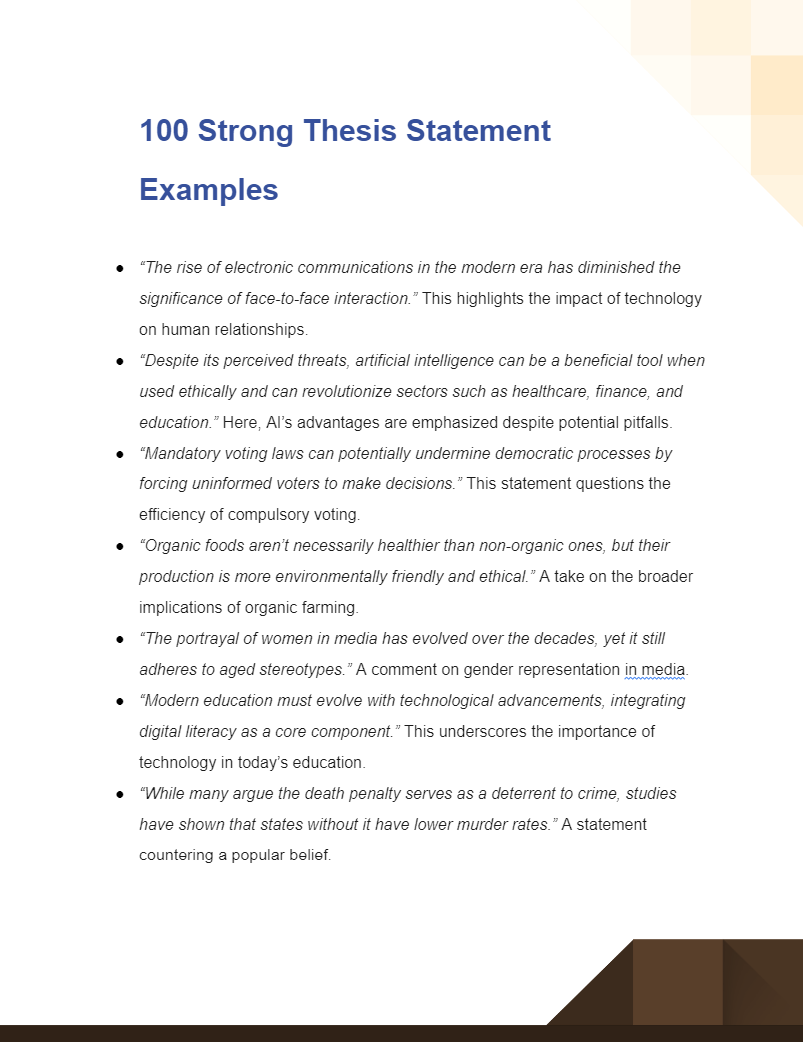
Crafting a compelling thesis statement is a fundamental skill for any aspiring scholar, writer, or researcher. A thesis statement serves as the cornerstone of an essay or research paper, encapsulating the primary argument or position the writer intends to convey. It not only guides the direction of the argument but also informs the reader of what to expect. In this article, we will explore various types of thesis statements, providing examples and insights to enhance understanding.
1. Analytical Thesis Statements
Analytical thesis statements dissect a topic into its constituent parts. They typically present a viewpoint that is rooted in a deep examination of the subject matter. These statements often reveal the nuances of the topic, making connections between separate elements.
For instance, consider the following example: “In Shakespeare’s Hamlet, the theme of madness is not merely a reflection of the protagonist’s psychological state but serves as a commentary on the political turbulence of Elizabethan society.” This thesis suggests a dual focus, proposing not only an analysis of character but also an exploration of socio-political contexts.
2. Expository Thesis Statements
Expository thesis statements illuminate a particular subject by detailing specific facets surrounding it. These statements often set the stage for an informative discourse, lending clarity to complex ideas. Their primary goal is not to argue a position but to convey information or explain a concept.
For example: “The process of photosynthesis in plants involves the transformation of light energy into chemical energy, culminating in the production of glucose.” This thesis succinctly encapsulates the essence of the subject, inviting readers to delve deeper into the mechanics of photosynthesis without the expectation of an argumentative stance.
3. Argumentative Thesis Statements
Argumentative thesis statements assert a claim that can be supported or challenged through reasoned arguments and evidence. They are provocative assertions that invite debate and stimulate discussion. Such statements are critical for persuasive essays, as they lay the groundwork for the ensuing argument.
An example might read: “Government regulation of social media platforms is essential to prevent the spread of misinformation and protect democratic processes.” This thesis not only states a position but also implies that the writer will marshal evidence and examples to substantiate this viewpoint.
4. Comparative Thesis Statements
Comparative thesis statements draw connections between two or more subjects, highlighting similarities or differences. These statements are instrumental in exploring relationships and analogies, lending depth to the analysis. They often set the tone for a comparative study while fostering critical thinking.
Consider the thesis: “While both 1984 by George Orwell and Brave New World by Aldous Huxley explore the implications of totalitarianism, they diverge in their conceptualization of freedom and individuality.” This statement indicates a comparison that will illuminate the divergent perspectives of both authors, providing fertile ground for a rich discussion.
5. Narrative Thesis Statements
Narrative thesis statements are inherent in storytelling and recount personal or fictional experiences. These statements often encompass themes or moral lessons derived from the anecdote. They engage readers on an emotional level, fostering connections through shared experiences or insights.
For instance, “My summer volunteering at a local animal shelter transformed my perspective on responsibility and compassion, ultimately shaping my aspirations for a career in veterinary medicine.” This narrative-driven thesis introduces a personal journey, inviting readers to engage with the author’s reflections.
6. Provocative Thesis Statements
Provocative thesis statements challenge conventional wisdom or norms, often stirring controversy or debate. They are designed to provoke thought and elicit strong reactions from readers, urging them to reconsider their beliefs or assumptions.
An example is: “The glorification of hustle culture perpetuates a toxic work ethic that prioritizes productivity over mental health and well-being.” This thesis not only asserts a controversial viewpoint but also sets the stage for a critical examination of societal values.
7. Descriptive Thesis Statements
Descriptive thesis statements provide a detailed overview of the subject matter without delving into analysis or argumentation. These statements are particularly useful in presentations or informative essays where clarity and brevity are paramount.
For instance: “The Great Pyramid of Giza, built during the Fourth Dynasty of Egypt, stands as a testament to the advanced engineering and architectural skills of ancient civilizations.” This thesis delivers information, establishing a foundation for further exploration without requiring immediate analysis or interpretation.
8. Conditional Thesis Statements
Conditional thesis statements hinge on specific parameters or conditions, suggesting a relationship between variables. They often indicate potential outcomes or consequences based on particular actions or scenarios.
An illustrative example could be: “If educational institutions implement comprehensive mental health programs, student outcomes will improve significantly, mitigating dropout rates.” This thesis implies a cause-and-effect relationship, inviting an exploration of both the proposal and its anticipated impact.
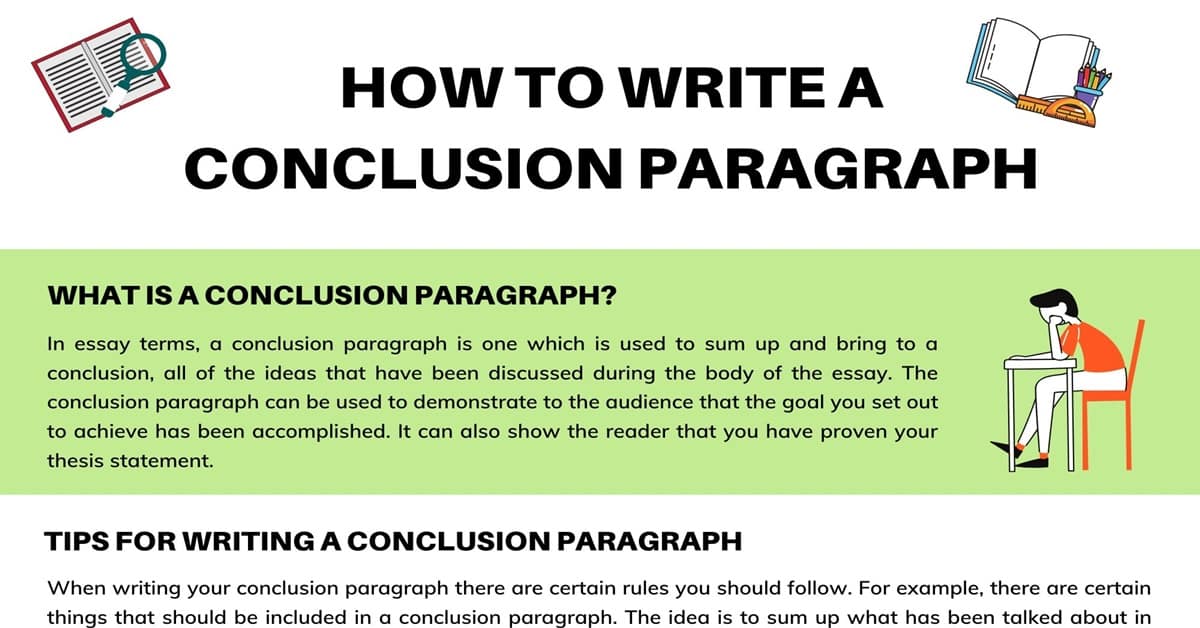
In conclusion, understanding the various types of thesis statements is essential for effective communication in academic writing. Each thesis statement serves a unique purpose, enriching the narrative and guiding the reader through the complexities of the argument. Recognizing the function of these statements allows writers to articulate their thoughts with clarity and precision, fostering an engaging dialogue with their audience. Whether analytical, argumentative, or narrative, a well-crafted thesis statement can significantly influence the reader’s comprehension and engagement. By honing this skill, writers can elevate their craft, contributing meaningfully to the diverse landscape of written discourse.