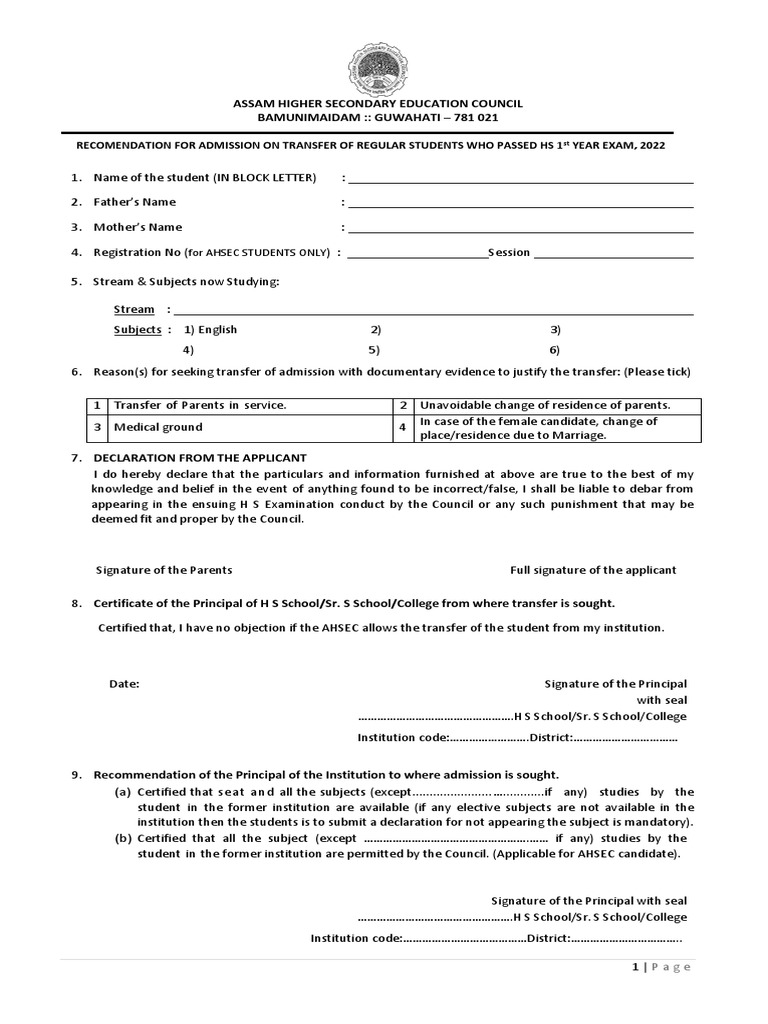
In the complex landscape of university admissions, one document often holds paramount importance: the Certificate of Intent (COI). But what constitutes an exemplary institutional COI, and how can it effectively encapsulate a student’s aspirations, accomplishments, and potential contribution to a learning community? This exploration invites a deeper understanding of a COI’s role within the admissions process, while simultaneously posing a playful challenge: What if you had the power to redefine your educational journey through the lens of a single document?
The Certificate of Intent serves as a bridge, linking a student’s past achievements with their future ambitions. A well-crafted COI does not merely summarize academic credentials; it paints a vibrant portrait of individuality, showcasing character, motivation, and future contributions to the institution. However, creating such a compelling narrative can often present a daunting challenge.
To embark on this quest for a standout COI, the first step is a thorough understanding of the institution’s values and objectives. What does the university prioritize? Leadership? Community service? Innovative thinking? Conducting comprehensive background research will provide you with invaluable insights that can be woven into the fabric of your COI.
Next, consider the format of your COI. Many institutions appreciate clarity and conciseness, yet they also value creativity and personal flair. A traditional format includes sections such as personal background, academic achievements, extracurricular activities, and future aspirations. To inject originality, one might introduce sub-sections that blend narrative and personal anecdotes. For instance, instead of stating outright achievements, captivating vignette descriptions can be employed to engage the reader’s attention.
As we delve deeper, the crafting of a coherent narrative cannot be overstated. In the body of the COI, each paragraph should seamlessly transition into the next, building toward a cumulative impact that resonates with the reader. Here, the use of transitional phrases enables fluid movement from one idea to another, ensuring that the narrative remains coherent and engaging.
Consider, for example, how one might frame their volunteer experiences in a way that not only highlights their commitment to service but also demonstrates the lessons learned through those experiences. “While volunteering at the local food bank, I discovered not only the joy of giving but the profound impact of community resilience in the face of adversity.” By personalizing the narrative, the COI transforms from a mere list of accomplishments into an engaging story.
Moreover, integrating reflections upon future aspirations can further enrich the content of the COI. Instead of merely stating a desire to study environmental science, a more descriptive approach might involve elucidating how past experiences have crystallized this ambition. “My fascination with environmental stewardship ignited during a high school project where I spearheaded a recycling initiative that reduced waste by 30%. This experience catalyzed my commitment to pursuing sustainable solutions to combat climate change.” This not only showcases passion but also demonstrates proactive leadership skills.
The conclusion of the COI is equally vital. Here, one should encapsulate the essence of one’s narrative while leaving an enduring impression. A succinct statement that resonates with the institution’s values can effectively seal the deal: “As a dedicated scholar and passionate advocate for sustainability, I am eager to contribute to [University Name]’s mission of fostering innovative solutions for our planet’s future.” This not only ties back to the institutional values but also reiterates the applicant’s alignment with their vision.
One of the more nuanced challenges that can arise when crafting a COI involves the balance between personal voice and professional tone. Striking this balance can enrich the narrative while ensuring it adheres to the institution’s expected standards. Readers often appreciate authenticity; thus, it can be advantageous to allow snippets of personality to shine through, without compromising the professionalism required in an academic context.
In summary, an institutional COI is not merely a document; it is a multifaceted expression of identity, ambition, and potential. Through diligent research and a thoughtful crafting process, a COI can effectively encapsulate a student’s journey while answering the critical question about their future intention. And therein lies the vital challenge: how can a single document not just convey intention but also encapsulate a broader narrative? Bridging the gaps between experiences, aspirations, and institutional values ultimately contributes to a more compelling and memorable application.
So, as you embark on writing your own COI, ask yourself—how will you harness this opportunity to redefine not just your academic path but also how you can contribute to the world at large? With careful thought and creativity, your response can illuminate your unique journey.