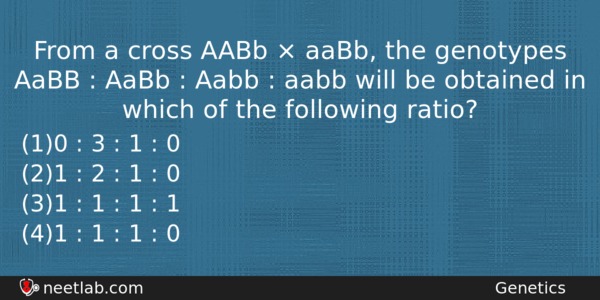
Aabb Ccdd serves as a fascinating example in the realm of genetics, epitomizing the intricate tapestry of inheritance that defines the biological world. It embodies not just the genetic variations of an organism but also a window into the principles of Mendelian inheritance and the artistry of nature itself.
At the core of genetic variation lies the concept of alleles—distinct versions of a gene. In the case of Aabb Ccdd, we witness a delicate interplay of dominant and recessive traits, akin to a symphony where each note contributes to a harmonious whole. Here, the letters represent particular alleles, with uppercase letters denoting dominant traits and lowercase letters indicating recessive ones. Aabb Ccdd symbolizes a unique genotype that can emerge from a cross between specific parental forms, presenting an opportunity to delve deep into the wondrous world of genetic combinations.
The genotype Aabb Ccdd is notable for its simplicity and elegance. Take, for instance, the combination Aabb. The ‘A’ indicates the presence of a dominant allele, while ‘a’ signifies recessiveness—inviting an array of phenotypic expressions. When paired with Ccdd, the genetic narrative unfolds further, revealing potent characteristics that can manifest in various organisms. This duality—dominance juxtaposed with recessiveness—paints a captivating picture of genetic diversity and resilience.
Visualize the process of inheritance as a game of chance, much like rolling a die. Each allele, whether dominant or recessive, presents an opportunity for a distinctive outcome. For Aabb Ccdd, envision a pair of dice—one reflecting the A and a, and the other embodying C and c. The resultant combinations form the foundational building blocks of an organism’s characteristics, determining traits like color, size, and even behavioral tendencies. This randomness provides a sense of unpredictability, underscoring the artistry inherent in genetic inheritance.
Moreover, Aabb Ccdd serves as an excellent model for understanding the principles of dihybrid crosses, where two traits are studied simultaneously. Here, the dominant A and C alleles can yield different phenotypes when matched with their recessive counterparts. This scenario invites speculation and intrigue, as one contemplates the potential variations among offspring and the vast array of physical attributes they could exhibit. For example, the combination could lead to a vibrant array of flower colors when it comes to plant genetics, each hue representing a chapter in the ongoing saga of life.
The implications of such genetic combinations extend far beyond the mere observation of plants or animals. They ripple through the realms of agriculture, medicine, and evolutionary biology, influencing breeding strategies and opening doors to potential innovations. Understanding Aabb Ccdd isn’t just an academic exercise; it resonates with practical applications that can enhance food security, biodiversity conservation, and even human health.
In agriculture, the phenotypes resulting from Aabb Ccdd can be harnessed to breed crops with desirable traits. Imagine developing a strain of wheat that exhibits heightened resilience against pests while simultaneously thriving in challenging weather conditions—a veritable marvel born from the random assortment of alleles. The ability to predict these traits through understanding genetic combinations exemplifies the beauty of Aabb Ccdd and similar genotypes, signifying a significant intersection between science and sustainability.
Furthermore, on a cellular level, Aabb Ccdd hints at the remarkable complexity of gene interaction. Each allele does not exist in isolation; rather, they collaborate intensely, akin to actors on a stage. The dominance of one allele over another can influence the expression of multiple genes, thereby cascading the effects through a multitude of biological pathways. This exquisite choreography of genetic expression is the hallmark of biological systems, and Aabb Ccdd stands as a testament to the underlying principles that govern life.
As we ponder the vast selections of traits resulting from Aabb Ccdd, it becomes evident that this genetic composition is more than a mere combination of letters. It represents a kaleidoscope of possibility, a dance of nature that transcends simple classification. It embodies the essence of genetic variability and the unyielding march of evolution, where every genotype contributes a verse to the grand narrative of existence.
Consider, for a moment, the philosophical implications of Aabb Ccdd. With every genetic pairing, we are reminded of the connectedness of all life forms. The relationships formed through genetics are poetic in nature, a weave of destinies linking myriad species. Each combination, each phenotype, is part of the universal story of survival and adaptation, echoing the importance of diversity in the tapestry of life.
In conclusion, Aabb Ccdd serves as a stellar example of genetic principles at play. It highlights the balance between dominance and recessiveness, reinforcing the unpredictability of inheritance while showcasing the practical applications that stem from these genetic dynamics. As we explore the stories woven into the strands of DNA, we find that every genotype, including Aabb Ccdd, holds profound implications—inviting a deeper understanding of nature’s magnificent design.