
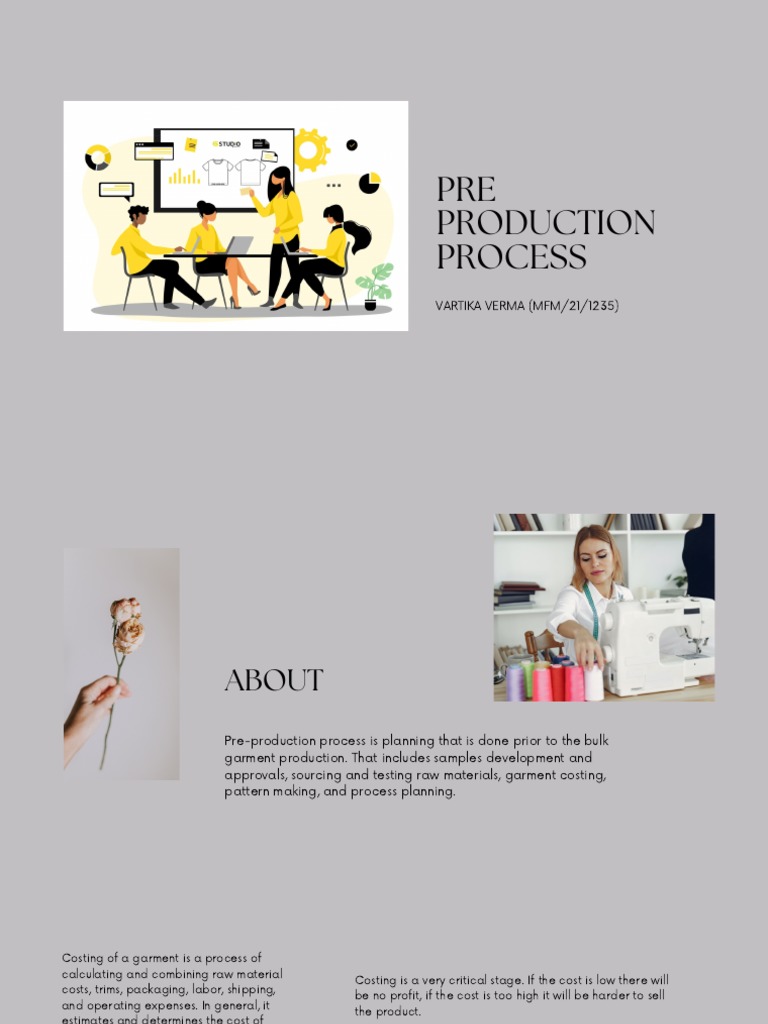
In the intricate world of film and media, the pre-production phase is arguably one of the most crucial yet underappreciated stages. It is the period where seeds of innovation are sown, where dreams are articulated into actionable plans. This enlightening exploration delves into the nuances of pre-production development, illustrating its significance through vivid examples and disclosing the multifaceted layers of its appeal.
At its core, pre-production encompasses an array of activities that must align to transform a conceptual idea into a tangible expression. This stage is like the architect’s blueprint; without careful planning, the entire structure risks collapsing. Various facets contribute to a successful pre-production process, each interwoven to ensure that when the cameras roll, the vision is clear and ready to be captured.
One of the fundamental elements of pre-production is script development. The screenplay serves as the backbone of any film or television project. Writers meticulously craft dialogue, laying out the thematic and dramatic arcs that will resonate with audiences. As examples abound, consider the transformation of a simple concept into a narrative tapestry; a tale of personal triumph, loss, or love begins with words on a page. Workshops and readings often breathe life into dry text, allowing creators to glean insights into pacing, character dynamics, and emotional resonance. The deep psychological engagement during these sessions hints at our inherent need to connect through story, thus cultivating a profound fascination with storytelling.
Next, one must consider the casting process, which invites a rich tapestry of personalities into the fold. This choice extends far beyond talent; it embodies the essence of the characters being portrayed. Experienced directors wield this tool with precision, often searching for actors who not only fit the physical description but can authentically convey the emotional landscape of their roles. The meticulous audition process can reveal hidden gems, individuals who, in one short scene, encapsulate the spirit of a character. This painstaking selection process magnifies our curiosity about the art of performance and the serendipitous alignments that can occur when the right actor meets the right role.
Following casting, location scouting emerges as a tantalizing aspect of pre-production development. The choice of settings plays a pivotal role in establishing authenticity and mood. Locations can evoke a visceral reaction, plunging viewers into the heart of the narrative, whether through ominous urban landscapes or tranquil rural vistas. A film centered on themes of isolation might find its setting in an expansive, windswept locale, while a romantic comedy flourishes within the bustling streets of a vibrant city. These decisions underscore our fascination with place and space in storytelling, illuminating how physical settings contribute to emotional and narrative depth.
Budgeting is another cornerstone of the pre-production process. A production’s budget dictates not only the feasibility of specific choices but also the creative avenues open to the team. This often involves tough conversations—balancing artistic aspirations with financial realities. As ambitious projects dance upon the precipice of fiscal constraints, the inherent struggle between vision and resources captivates audiences, showcasing the continual juggle between creativity and pragmatism. This aspect of pre-production may be rooted in real-world economics but reflects deeper human motivations for both aspiration and survival.
Moreover, assembling a proficient crew is essential for any production’s success. From cinematographers who paint with light to sound engineers who sculpt the auditory experience, each crew member plays a vital role. Their expertise converges, weaving together a rich fabric of creative talents that ultimately produces a cohesive finished product. The collaborative nature of filmmaking generates a sense of unity and shared stakes, highlighting our intrinsic desire to belong and create together. This shared vision often captivates, as it epitomizes the essence of human creativity—a collective endeavor towards a common goal.
Pivotal elements such as storyboard creation further crystallize the visualization of the script. Through illustrations and sketches, filmmakers can delineate scenes, pacing, and camera angles long before the first shot is taken. The art of storyboarding serves as a window into artistic intent, transforming the nebulous into the concrete. It stirs a deeper appreciation for the craftsmanship involved in storytelling, revealing the intricate choreography that culminates in a final product.
The relationship between pre-production and technology cannot be overstated. The advent of digital tools has revolutionized the planning process, transforming traditional methods into streamlined virtual collaborations. Software that facilitates budgeting, scheduling, and script analysis not only enhances efficiency but also broadens the horizons of possibility. As individuals become more adept with these technologies, a curiosity about innovation persists—illustrating our fascination with how tools can reshape creative processes.
As pre-production unfolds, the nuances of publicity and marketing strategy need careful consideration. Developing a pre-release campaign that generates buzz is an essential function that cannot be overlooked. Engaging potential audiences before the project reaches the screen taps into our communal excitement and anticipatory joy. The art of marketing is, in itself, a fascinating study—a dance between art and business, between viewer expectation and creator vision.
In conclusion, the pre-production development phase is an intricate and multifaceted landscape that serves as the backbone of any successful film or media project. It embodies the transformative journey from idea inception to execution, revealing a deeper relationship between creative pursuits and human nature. As each process unfolds, it becomes evident that pre-production is not merely a checklist but a fertile ground for creativity, collaboration, and community. Each layer of planning, each decision made during this vital phase, resonates with our intrinsic human desire to tell stories and connect through shared experiences, encapsulating why we are so enthralled with the process and the final product alike.













