In today’s competitive job market, having a standout resume is paramount to capturing the attention of potential employers. A well-crafted resume showcases your skills, experiences, and qualifications, making it essential to understand what constitutes a “good resume.” This article delves into various aspects of effective resume writing, providing readers with concrete examples and practical insights to enhance their own job applications.
1. Understanding the Purpose of a Resume
The primary purpose of a resume is to serve as a marketing tool that presents your professional self to prospective employers. It succinctly captures your career story, emphasizing your most relevant skills and accomplishments. A good resume acts as a bridge between the job seeker and the employer, allowing you to make a positive first impression. It is your chance to make the case for why you would be a valuable addition to their team.
2. The Anatomy of a Good Resume
A good resume typically comprises several key sections, each serving a distinct purpose:
- Contact Information: Including your full name, phone number, email address, and LinkedIn profile ensures that employers can easily reach you.
- Professional Summary or Objective: This brief section provides an overview of your career goals and highlights your key qualifications, giving a snapshot of what you bring to the table.
- Work Experience: This section outlines your employment history, detailing your roles, responsibilities, and achievements in reverse chronological order.
- Skills: A concise list of both hard and soft skills that are pertinent to the job you are applying for. Tailoring this list according to the job description can significantly enhance your visibility during applicant screening.
- Education: A record of your academic achievements, including the names of institutions, degrees obtained, and graduation dates. Relevant courses or honors can also be included to further emphasize your qualifications.
- Certifications and Additional Sections: Depending on the field, you may want to include certifications, professional affiliations, volunteer work, or other sections relevant to your career.
3. Tailoring Your Resume for Different Opportunities
One of the most critical aspects of crafting a good resume is customization. Tailoring your resume to fit the specific job you are applying for can significantly amplify your chances of success. Carefully study the job description and align your experiences and skills with the employer’s requirements. For instance, if a job emphasizes teamwork, showcase your experience in collaborative projects prominently.
4. The Importance of Keywords
In the age of digital recruiting, many employers utilize Applicant Tracking Systems (ATS) to filter resumes. Incorporating relevant keywords from the job listing into your resume can help you navigate through the automatic screening processes. For example, if the position requires proficiency in specific software or methodologies, mentioning those explicitly—if you possess such skills—can ensure your resume garners attention.
5. Visual Appeal and Layout Considerations
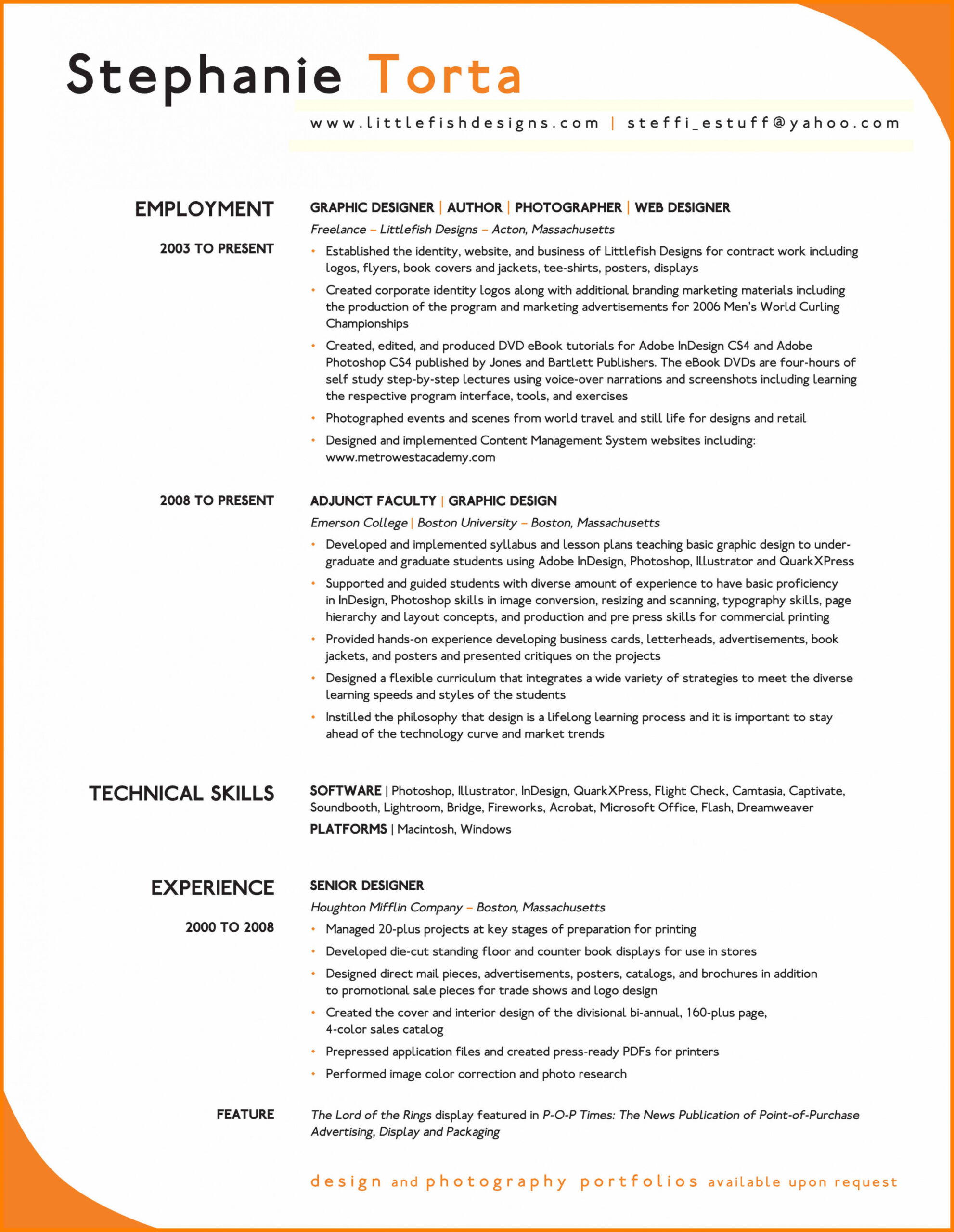
A good resume should not only be informative but also visually appealing. Choose a clean, professional layout with easy-to-read fonts and logical headers. Utilize bullet points for presenting information succinctly, and leave ample white space to allow the content to breathe. Use bold or italics sparingly to emphasize key sections or achievements, but refrain from excessive embellishments, which can be distracting.
6. Crafting a Compelling Professional Summary
Your professional summary or objective statement should encapsulate your career trajectory and aspirations in two to three concise sentences. It sets the tone of your resume and should immediately grab the reader’s attention. For example, instead of a generic statement like “Looking for opportunities in marketing,” consider a more impactful version: “Dynamic marketing professional with over five years of experience driving brand growth through innovative strategies and data-driven insights.” Such specificity can make a memorable impression.
7. Quantifying Achievements in Your Work Experience
Using quantifiable achievements in the work experience section demonstrates your impact and effectiveness in previous roles. Instead of stating, “Responsible for increasing sales,” specify, “Increased sales by 20% within six months through targeted marketing campaigns.” This not only indicates what you did, but also conveys the tangible results of your contributions. Numbers tell a story that bolsters your credibility.
8. The Role of Soft Skills
While hard skills are crucial for specific roles, soft skills such as communication, problem-solving, and adaptability are equally important. Employers are increasingly seeking candidates who possess both technical expertise and interpersonal abilities. In your skills section, blend these soft skills with hard skills to provide a well-rounded view of your capabilities.
9. Proofreading and Final Touches
No resume is complete without a thorough proofreading. Typos and grammatical errors can undermine your professional image. After crafting your resume, take a break before reviewing it with fresh eyes. Additionally, consider seeking feedback from peers or mentors. A different perspective can provide valuable insights that you might have overlooked.
10. Conclusion
In conclusion, a good resume is more than just a compilation of your career history. It is a strategic document that communicates your value to potential employers. By understanding its components, tailoring the content to fit specific job descriptions, and presenting your qualifications in an engaging format, you can significantly enhance your chances of securing an interview. Investing time and effort in crafting a polished resume can ultimately open doors to promising career opportunities.