
In the realm of parliamentary procedure, the articulation of a negative speech holds profound significance. This discourse offers an opportunity not only to express dissent but also serves as an avenue for deeper reflection on the principles governing deliberation and decision-making within legislative bodies. Such speeches illuminate the delicate interplay between opposing viewpoints, the essence of democratic discourse, and the inherent challenges that accompany the collective decision-making process.
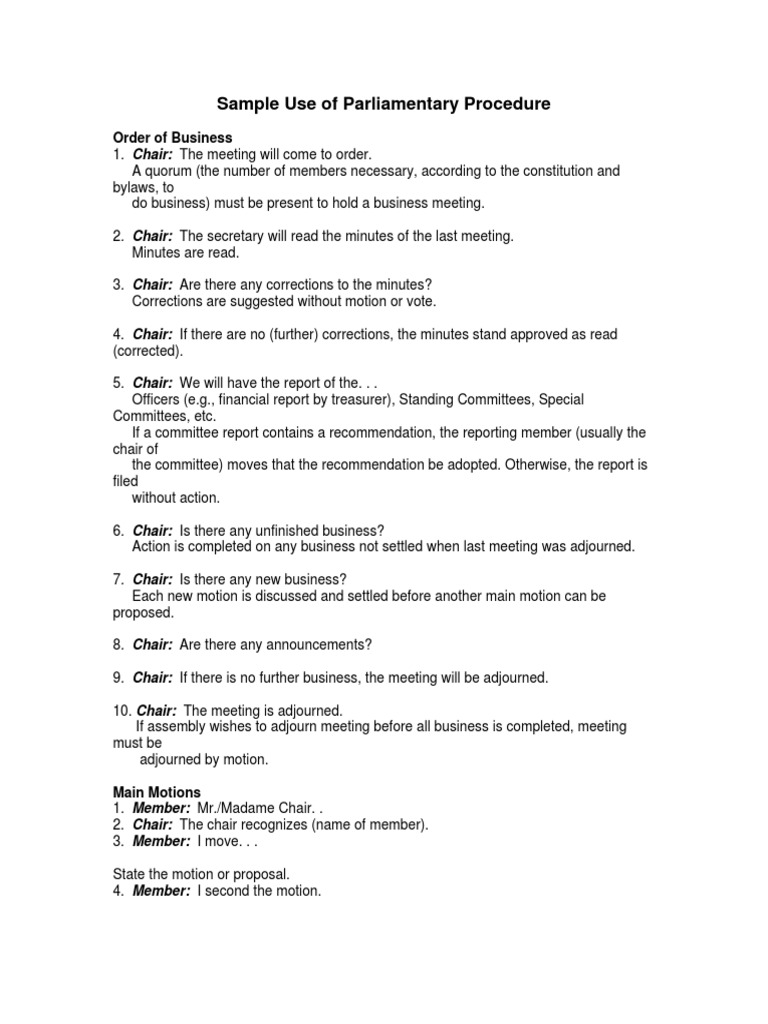
To understand the nuances of a negative speech in parliamentary procedure, one must first grasp the context in which these speeches occur. Parliamentary procedure is a systematic framework designed to facilitate orderly discussions, ensuring that all voices—not just the loudest—are heard. Within this framework, the negative speech emerges as a vital counterweight, providing a platform for dissent that is essential for robust debate and governance.
The Structure of a Negative Speech
A well-structured negative speech typically consists of several key components: an introduction, a series of arguments or points of contention, supporting evidence, and a conclusion. The introduction lays the groundwork, presenting the topic at hand and succinctly stating the speaker’s position against the prevailing sentiment. This initial phase is crucial; it sets the tone for the ensuing dialogue and captivates the audience’s attention.
Following the introduction, the speaker delves into a series of arguments. Each argument should be articulated clearly, striking a balance between emotional appeal and logical reasoning. This duality is pivotal; while facts and figures underpin the claims, a persuasive narrative can engage the audience on a human level. The speaker might employ anecdotes or historical references to illustrate points, effectively transforming abstract ideas into relatable concepts.
Addressing the Common Observation
One common observation in parliamentary discourse is the tendency for negative speeches to be perceived as obstructive rather than constructive. Critics often argue that speakers who focus on dissent can stifle progress and create division within the assembly. However, this viewpoint may overlook the intrinsic value of dissent in democracy. Negative speeches serve as a necessary counterbalance, prompting members to critically assess proposals before moving forward.
In parliamentary procedure, the act of opposing is not merely an expression of disagreement but a call for deeper scrutiny. When a speaker presents a negative speech, they are contributing to a culture of accountability, insisting that ideas be rigorously vetted and that assumptions be challenged. This is where the fascination lies; the very act of dissent invites a thorough exploration of an idea from multiple angles. It encourages both the speaker and the audience to engage in a reflective process, considering not only the proposed solution but also the possible ramifications of that solution.
Examining Deeper Reasons for Fascination
The allure of negative speeches also stems from the implicit acknowledgment that human perspectives are inherently diverse. In a democratic assembly, voices vary widely based on individual experiences, backgrounds, and values. A negative speech can reveal the multifaceted nature of an issue, facilitating a richer dialogue that incorporates divergent views. The interplay between positive and negative responses can lead to synthesis—where compromise and consensus emerge as potential outcomes.
Moreover, negative speeches can serve a pedagogical function. They challenge the audience, encouraging them to think critically and thus fostering a more informed electorate. In an age where polarization often dominates political discourse, the ability to understand opposing positions is invaluable. Negative speeches can act as a bridge, prompting listeners to explore the rationale behind dissent and inviting them to engage in the nuances of policy discussions.
Additionally, the articulation of a negative speech can provide an emotional catharsis for both the speaker and the audience. By voicing opposition, individuals may feel a sense of empowerment. This empowerment can be crucial in spaces where majority opinion often silent minority voices. The expression of dissent is also a reminder that engagement does not equate to agreement; legitimate discourse can flourish in the space between agreement and disagreement.
Conclusion: Celebrating Dissent
In conclusion, negative speeches in parliamentary procedure should be celebrated rather than vilified. They embody the spirit of democratic engagement, offering an essential critique that challenges the status quo. By addressing common observations with thoughtful arguments and exploring the deeper reasons behind the fascination with dissent, one can appreciate the integral role these speeches play in legislative processes. They foster a culture of accountability, encourage comprehensive dialogue, and recognize the multiplicity of human perspectives.
Ultimately, as we navigate the complexities inherent in governance and decision-making, it is evident that negative speeches are not merely a counterforce to agreement; they are vital threads in the rich tapestry of democratic discourse. Embracing this complexity enables a more profound understanding of collective decision-making, reminding us that every voice—whether in support or opposition—contributes to the greater good.













