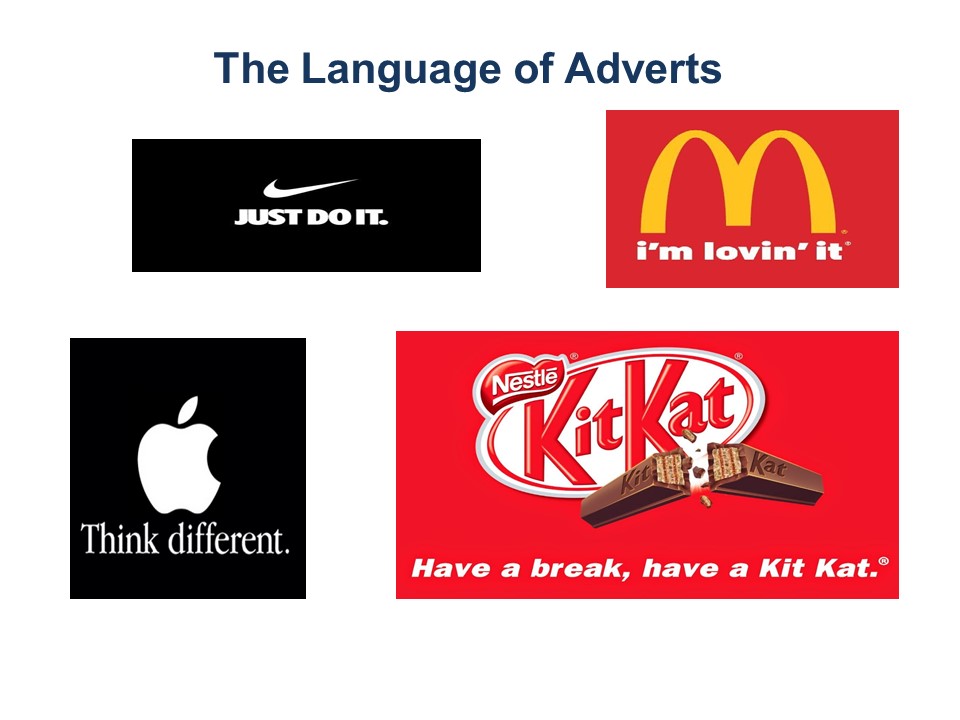
Have you ever paused to consider how advertisements permeate our daily existence, molding our perceptions and influencing our decisions? Advertisement is not merely a tool for marketing products; it serves as a fascinating lens through which we can explore myriad aspects of human behavior, cultural nuances, and psychological triggers. This intersection of persuasion and creativity turns advertisement into an emblematic example of art meeting commerce, wielding power by evoking emotion and curiosity. In this exploration, we will delve into various facets of advertisement, revealing how it is an exemplary manifestation of communication, manipulation, and societal reflection.
1. Advertisement as a Reflection of Society
In many ways, advertisements are mirror images of our societal values, capturing the zeitgeist of a particular era. They offer insight into what is deemed desirable, essential, or aspirational. Consider the evolution of beauty standards depicted in advertisements over the decades. From the voluptuous figures of the 1950s to the slim, athletic models of the 2000s, advertisements reveal the shifting norms surrounding beauty. They encapsulate how society perceives success, attractiveness, and happiness, forging a narrative that consumers both internalize and aspire to emulate.
2. Bridging Art and Commerce
Every advertisement is an intricate tapestry woven from creativity and strategy. The aesthetics demand a keen eye for design, merging visual elements that captivate potential customers. The use of color, typography, and imagery are not mere decoration; they are calculated decisions intended to convey the brand’s essence. A radiant red might evoke passion, while a calm blue signifies trust. Through this prism, advertisements can be seen as powerful works of art, showcasing the delicate balance between selling and seducing.
3. Psychological Persuasion Techniques
Investigating the intricacies of advertisement unveils a labyrinth of psychological principles at play. Marketers often harness the power of cognitive biases, tapping into the subconscious to sway consumer behavior. Take, for instance, the principle of scarcity; advertisements that evoke a sense of urgency—like “limited-time offers”—compel individuals to act swiftly. Similarly, the bandwagon effect—the tendency to follow the crowd—can be seen in campaigns that boast “the best-selling” product. Advertisements skillfully blend these techniques to create compelling narratives that resonate deeply within the psyche of the audience.
4. The Role of Emotional Appeals
One of the most potent components of advertising is the ability to evoke emotion. Narratives within advertisements can instill a range of feelings, from happiness and nostalgia to fear and sadness. These emotional appeals serve not just to connect with consumers but to forge a lasting relationship with a brand. An advertisement featuring a heartwarming family reunion triggered by the use of a specific product does more than showcase the item; it creates a sentimental association. When consumers feel emotionally engaged, they are more likely to remember and favor the brand.
5. Cultural Commentary and Change
Advertisements are not isolated entities; they are often a reflection of, or response to, prevailing cultural currents. Social movements have found their way into advertisements, bringing issues of equality, sustainability, and authenticity to the forefront. Brands increasingly recognize the importance of aligning themselves with social values, employing their platforms to advocate for change. For instance, a campaign promoting body positivity not only markets a product but also champions self-acceptance and diversity in a landscape often laden with unrealistic ideals. Advertisements thus become vehicles for cultural dialogue and societal evolution.
6. The Intricacies of Targeted Advertising
With the digital revolution has come the unparalleled ability to tailor advertisements to individual preferences. Targeted advertising, powered by sophisticated algorithms and data analytics, allows businesses to deliver personalized content that resonates with specific audiences. This specificity enhances engagement, as consumers encounter ads that reflect their interests, belongings, or immediate needs. However, this also leads to discussions surrounding privacy, ethics, and manipulation, raising questions about how much control consumers truly have over the data they share and the ads they encounter.
7. The Evolution of Mediums
As technology has evolved, so too has the medium through which advertisements reach consumers. From print and television to digital and social media, each platform offers unique avenues for storytelling. The rise of social media has given birth to influencer marketing, where everyday individuals with large followings are tapped to promote products authentically. This paradigm shift not only democratizes advertisement but also invites more nuanced interactions between brands and consumers, shifting the narrative away from a monologue towards a dialogue.
8. Ethical Considerations in Advertising
While advertisements can captivate and inspire, they also pose ethical dilemmas. The fine line between persuasion and manipulation can blur, leading to questions about misleading claims, exploitative tactics, and the perpetuation of harmful stereotypes. As consumers become increasingly aware and informed, the onus falls on marketers to uphold integrity in their messaging. Building trust through transparency influences brand loyalty, ensuring that ethical advertising is not just a trend, but a fundamental practice.
Conclusion
In the grand tapestry of communication, advertisement serves as a vibrant thread weaving together aspects of society, psychology, creativity, and ethics. It represents a duality of influence—shaping consumer choices while simultaneously reflecting the cultural landscape. As advertisements continue to evolve alongside technology and societal values, they remain a compelling example of how commerce and art intertwine, challenging our perspectives and inviting us to reflect on the world around us. Ultimately, the allure of advertisement lies in its ability to not only sell a product but to inspire curiosity, intrigue, and, at times, a desire for change.