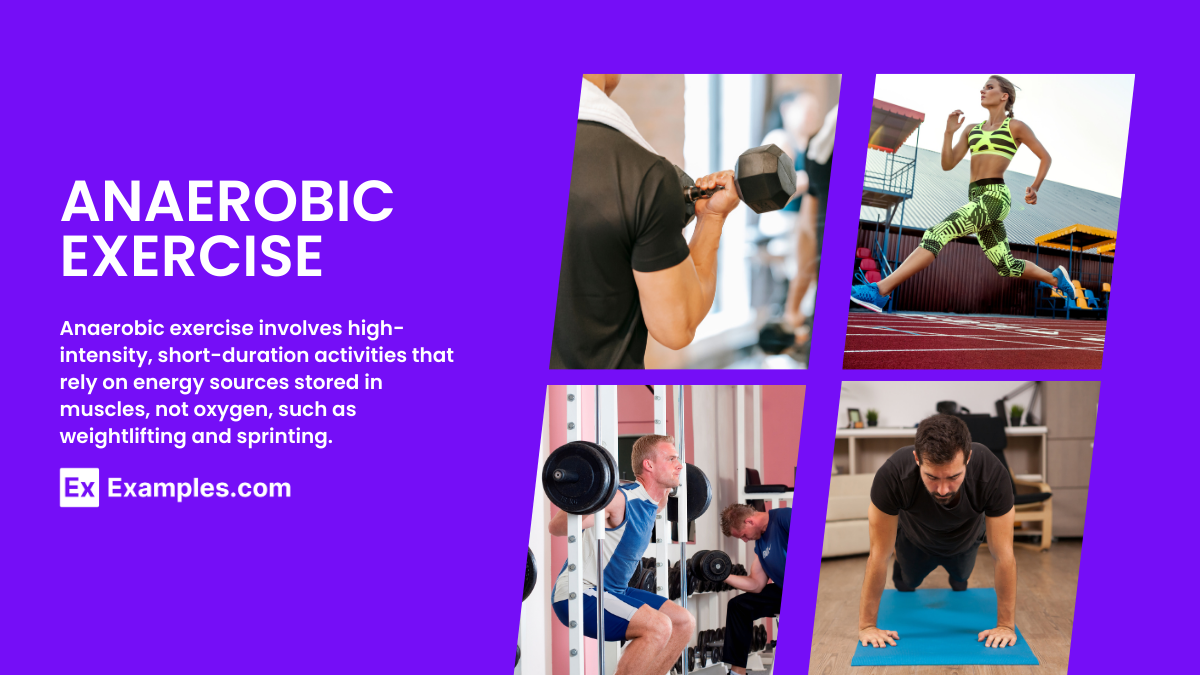
Have you ever thought about how the body produces energy when it’s engaged in intense, short bursts of activity? What if you could fully explore the world of anaerobic exercise? One quintessential example of an anaerobic activity is sprinting. It is an amazing endeavor that challenges the body in unique ways. Let’s dive deeper into the intricate realm of sprinting and discover why it stands out as a remarkable anaerobic exercise.
Sprinting is not merely running at a fast pace; it is a highly specialized form of locomotion that requires maximal effort over a brief duration. Typically lasting between 20 to 30 seconds, a sprint engages fast-twitch muscle fibers, which are responsible for power and strength, making them imperative for such explosive activities. If you picture an athlete racing toward the finish line, their muscles contracting vigorously, you can visualize the anaerobic process in action. This is where energy is produced in the absence of oxygen, tapping into the body’s glycogen stores.
So, you might wonder: how does sprinting elevate your physical prowess beyond just speed? Simply put, it enhances your overall athletic performance. Engaging in sprinting regularly improves cardiovascular health, boosts respiratory efficiency, and increases metabolic rate. Additionally, it contributes to muscle hypertrophy, leading to defined and powerful legs. Imagine being able to not only outrun your competitors but also develop a physique that embodies strength and agility. Therein lies the challenge—embracing the discomfort of high-intensity workouts to reap the ultimate benefits.
One of the most compelling aspects of anaerobic activities, particularly sprinting, is their ability to maximize calorie burn in a shorter timeframe. If conventional cardio workouts make you yawn, then sprinting may very well be the remedy you need. The higher the intensity, the more calories you burn both during and post-exercise—thanks to the afterburn effect, or excess post-exercise oxygen consumption (EPOC). This phenomenon means you continue to torch calories long after you’ve crossed the finish line. Isn’t it intriguing to think about how a mere 20-second sprint could potentially result in hours of calorie expenditure?
Moreover, sprinting can lead to significant endurance improvements. Initially, sprinting may leave you gasping for air, your muscles protesting under the strain. However, over time, your body adapts, increasing its anaerobic threshold—the point at which lactic acid builds up in your bloodstream. This adaptation allows for greater efficiency in high-intensity activities, ultimately aiding in more prolonged performance. Just picture yourself dominating a 5k run—I mean, what would it feel like to outpace everyone, drawing on your anaerobic capabilities?
Let’s not forget the mental fortitude required to engage in this type of exercise. Sprinting instills a tenacity that transcends physical boundaries. The grit it takes to push beyond perceived limits fosters self-confidence and resilience. The next time you feel like giving up during a sprint, remember that every second counts, sculpting not just your body but also your mind. Such exercises prompt playful introspection. How high can you push your boundaries? It becomes a delightful challenge—one that requires you to confront doubts and emerge victorious.
Now, you might be curious about how to incorporate sprinting into your routine. The beauty of anaerobic activities lies in their flexibility. Sprinting can be performed on a track, treadmill, or even outdoors in a park. For beginners, it’s essential to start gradually. Begin with interval sprints, alternating between high-intensity bursts and recovery periods. As you build stamina, shorten the recovery times, allowing your body to acclimatize to the demand for greater effort. The soul of sprinting is in that dynamic rhythm—the interplay of speed and recuperation creates a compelling workout.
Any comprehensive exploration of anaerobic activities wouldn’t be complete without addressing safety measures. Proper warm-ups are crucial in preparing the muscles for the rigorous demands of sprinting. Engaging in dynamic stretches and light jogging can increase blood flow, reducing the risk of injuries. Furthermore, paying attention to footwear is paramount; investing in quality running shoes can have a tangible impact on your performance and comfort. It’s often the overlooked details that elevate the overall running experience.
Lastly, the communal aspect of sprinting should not be underestimated. Joining a local running club or finding a sprinting partner can add motivation. The synergy of group workouts often leads to friendly competitions, pushing you to achieve greater heights. There’s an undeniable thrill that comes with sharing the road or track with others, each contributing to the collective energy. Will you rise to the occasion and challenge your peers, perhaps even striving for personal records together?
In conclusion, sprinting serves as an exemplary representation of anaerobic activity, embroiled in a plethora of benefits that extend far beyond physical training. From cultivating astonishing endurance to boosting morale and community spirit, this high-intensity exercise offers a transformative journey. So why not lace up those sneakers and embrace the exhilarating challenge? After all, the path to becoming the fastest version of ourselves is laden with bursts of speed and powered by the relentless spirit of anaerobic endeavor!