In the fast-paced world of job hunting, the aftermath of an interview often feels like a suspended animation—a nerve-racking waiting game as you ponder your performance and fret over the next steps. How often do you wonder if sending a thank you email can really make a difference? As you navigate potentially awkward conversations ahead, one question emerges: How can you turn a fleeting moment of connection into a lasting impression? Delve into the intricacies of drafting a thank you email that not only expresses gratitude but also solidifies your candidacy and allays any lingering doubts from the interview.
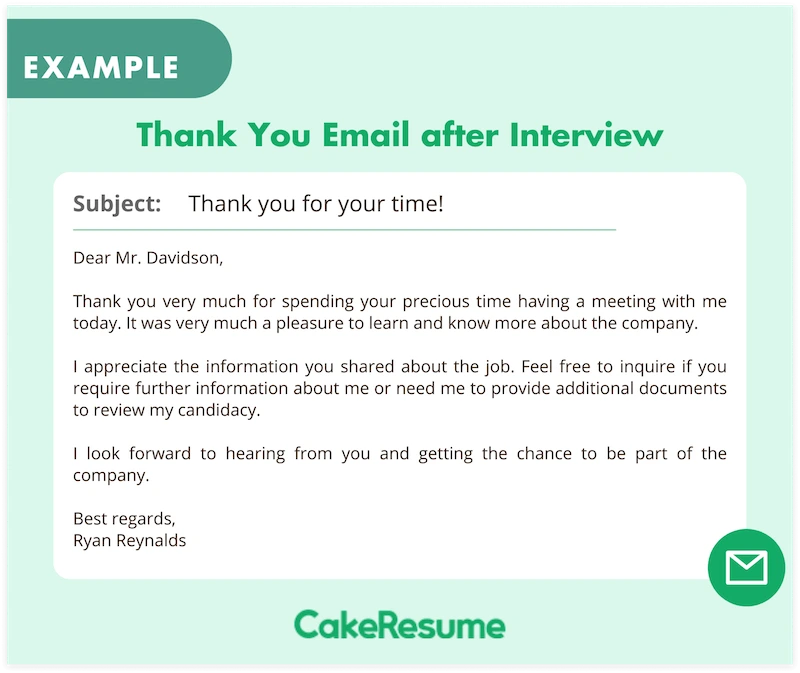
Crafting a thank you email may seem straightforward, yet it demands a nuanced approach that underscores your professionalism and enthusiasm. At its core, a thank you email serves multiple purposes: it acknowledges the interviewer’s time, reiterates your interest in the position, and provides an opportunity to highlight key points discussed during the interview. So, what constitutes an exemplary thank you email? Below, we dissect the elemental components, peppering in some strategic insights to elevate your correspondence.
1. Subject Line That Captures Attention
The subject line is your first impression, akin to a cover letter’s opener. Avoid mundane phrases like “Thank You” or “Follow-Up.” Instead, opt for a subject that reflects both gratitude and specificity. For example, “Thank You for the Insightful Conversation About the Marketing Manager Role” is far more engaging. This not only piques interest but also reminds the interviewer of your unique discussion.
2. A Warm Greeting
Begin with a cordial salutation. Address the interviewer formally, using their title and last name unless they expressed a preference for a more casual approach. A simple “Dear Ms. Smith,” sets a respectful tone. Don’t hesitate to include a personal touch, referencing a shared moment from the interview, which fosters a connection and shows that you were actively engaged.
3. Express Genuine Gratitude
Gratitude is the essence of your message. Rather than a generic statement, tailor your expression to reflect the specifics of your interaction. For instance, “I sincerely appreciate the opportunity to discuss the innovative projects at XYZ Corp and your insights into the company’s culture.” This specific acknowledgment conveys authenticity and can help you stand out in a sea of candidates.
4. Reinforce Your Interest and Fit
This segment is paramount. Explore the aspects of the job that excited you during the interview and connect them to your skills and experiences. For example, “Our discussion about the upcoming rebranding initiative resonated with my background in strategic marketing, and I am eager to contribute my skills to drive this project forward.” Infusing your email with enthusiasm not only reinforces your interest but also serves as a gentle reminder of your qualifications.
5. Follow-Up on Key Points Discussed
Transform that intrigue into assurance. Mention any specific topics that arose during the interview. A statement like, “I appreciated our dialogue about tackling the challenges in digital marketing strategies and would love to elaborate on my experience in creating impactful campaigns within this realm,” not only keeps the conversation going but also showcases your proactive approach.
6. Offer to Provide Additional Information
Demonstrating your willingness to assist can be perceived as a formidable trait. Incorporate a line inviting the interviewer to request any further information, be it work samples or references. This gesture illustrates openness, ensuring nothing remains nebulous about your candidacy. For instance, “If you require any further details regarding my previous projects or experiences, please do not hesitate to reach out.” This minor action can be pivotal in solidifying your value.
7. A Solid Closing
Your conclusion should reflect a balance of professionalism and friendliness. Reiterate your thanks briefly. A simple “Thank you once again for your time and consideration” encapsulates your appreciation succinctly. Follow this with a closing statement such as “Looking forward to the possibility of working together,” which leaves the door open for future communication. Opt for a professional sign-off like “Best regards” or “Sincerely,” followed by your full name and contact information.
8. Timing Matters
When is the ideal time to send this email? Timing can significantly influence the impact of your message. Aim to send your thank you email within 24-48 hours post-interview. This urgency reflects eagerness while keeping your conversation fresh in the interviewer’s mind. Ensure the email is well-composed to avoid any typos or grammatical errors that could dilute your professionalism.
As you pen your thank you email, consider this: Are you merely ticking a box, or are you crafting a message that breathes life into your candidacy? It’s more than just an act of politeness; it’s your opportunity to solidify a positive impression by weaving in gratitude, reflection, and enthusiasm. The challenge lies in distinguishing yourself through thoughtful articulation. Embrace this moment as a strategic advantage in your job search journey.
In conclusion, a well-constructed thank you email can serve as a powerful tool in your job-seeking arsenal. More than just courteous communication, it solidifies your candidacy in the minds of hiring professionals. So, take a moment to mull over the nuances discussed here, and craft a message that resonates with the essence of your interview. Who knows, this succinct gesture could very well be the catalyst that tip the scales in your favor.