Creating a business plan can be an exhilarating yet daunting task. Have you ever pondered what the ideal structure of a business plan looks like? Or have you faced the myriad of challenges that come with articulating your vision into a comprehensive document? A well-crafted business plan is not merely a formality; it serves as a strategic roadmap for your business venture. This endeavor can often feel overwhelming, but understanding the fundamental components can demystify the process and lay a solid foundation for success.
At its essence, a business plan is a living document, providing insight into the operation of a business and outlining its goals. It not only acts as a guide for entrepreneurs but also offers critical information to would-be investors and stakeholders. Now, let’s explore the quintessential elements that comprise an exemplary business plan.
1. Executive Summary
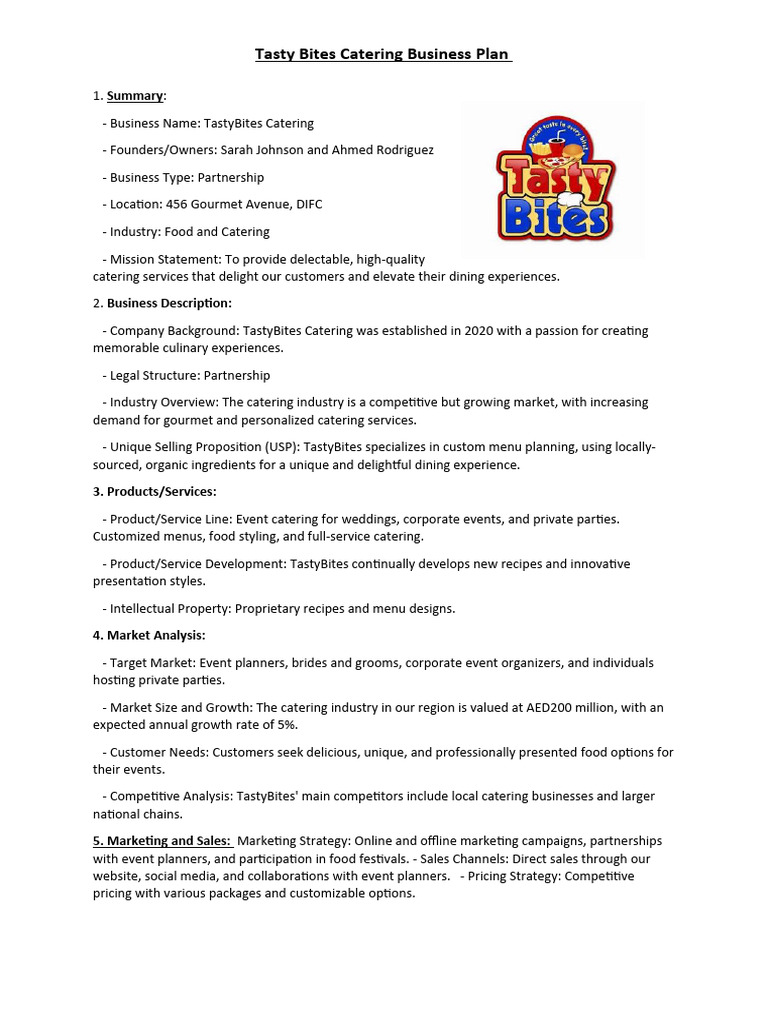
The executive summary is your first impression, the elevator pitch condensed into a few compelling paragraphs. This section encapsulates the essence of your entire business plan. It should briefly describe the business, including the mission statement, product or service offerings, target market, financial summary, and the goals you wish to achieve. Picture it as a highlighting of the most enticing aspects of your business to entice potential investors. Nonetheless, with great power comes great responsibility—how will you capture their attention amidst an avalanche of proposals?
2. Company Description
The company description delves deeper into what your business is all about. It should provide a detailed overview of your company history, legal structure, and the nature of your business operations. Are you a startup, or do you have an established history? Provide information that showcases the uniqueness of your venture, including any competitive advantages. Herein lies a potential challenge: how do you articulate your vision without overlapping with the content already presented in the executive summary? Strive for clarity and conciseness without sacrificing detail.
3. Market Analysis
Understanding your market landscape is crucial. Conduct thorough research to identify your target audience, analyze competitors, and evaluate market trends. This section should depict a vivid picture of the industry dynamics, including factors that could impact your business. Assessing the competitive landscape presents a conundrum: how do you differentiate yourself in a saturated market? With this knowledge, you can pinpoint opportunities for growth and identify potential threats, ensuring you’re well-prepared for the battlefield.
4. Organization and Management
In this section, illuminate your organizational structure. Present the key players involved in your business, their roles, and expertise. A strong organizational framework can instill confidence in stakeholders regarding the operational efficiency of your enterprise. Are you the sole proprietor, or do you have a team of seasoned professionals leading the charge? Highlighting your advisory board or any consultants adds an extra layer of credibility. The challenge lies in ensuring that the organizational hierarchy aligns with the goals outlined in your executive summary.
5. Service or Product Line
Your offerings are the heart of your business. Describe in detail what you are selling or the services you are providing. What distinguishes your products or services from those of your competitors? This section should encompass information about the lifecycle of your products, research and development activities, and future product lines. Crafting a compelling narrative around your offerings can be complex—how can you convey their value and benefits succinctly while being persuasive?
6. Marketing and Sales Strategy
Your marketing and sales strategy outlines how you plan to attract and retain customers. Detail your marketing channels, sales tactics, and customer engagement strategies. What innovative approaches can you incorporate? In this digital age, traditional marketing techniques might not suffice. The challenge is to blend modern strategies with classic techniques to create a cohesive and effective marketing approach. Can you visualize the execution of these strategies in a practical context?
7. Funding Request
If your business plan is designed to secure funding, this section is pivotal. Specify your funding requirements and potential future financial plans. Investors will want to know how much you need, how you will use the funds, and what strategic milestones you aim to achieve with this investment. Articulating your funding needs effectively can be fraught with challenges—will you be able to justify your request convincingly?
8. Financial Projections
Financial projections are crucial for illustrating the projected growth and viability of your business. This includes forecasts for income statements, cash flow analyses, and balance sheets. Providing well-researched, realistic projections can help instill confidence in potential investors. However, how do you ensure these forecasts are not overly optimistic, while still compelling enough to attract investments? Balanced realism is the key to compelling financial projections.
9. Appendices and Supporting Documents
Lastly, the appendices serve as a repository for any additional documents that can support your business plan. This might include charts, graphs, legal agreements, or detailed marketing research data. These documents can reinforce your claims and provide a solid evidential basis. Organizing this information coherently can prevent it from becoming a chaotic mix of documents. How can you streamline this volume of data into something digestible yet comprehensive?
In conclusion, crafting a business plan is an intricate process that requires thoughtful consideration and strategic foresight. While the challenge may seem formidable, a well-structured business plan can be the keystone of your entrepreneurial journey. By meticulously addressing each component, you can transform your vision into a tangible roadmap that guides you toward your goals, securing the support and resources needed to navigate the exciting landscape of business endeavors.