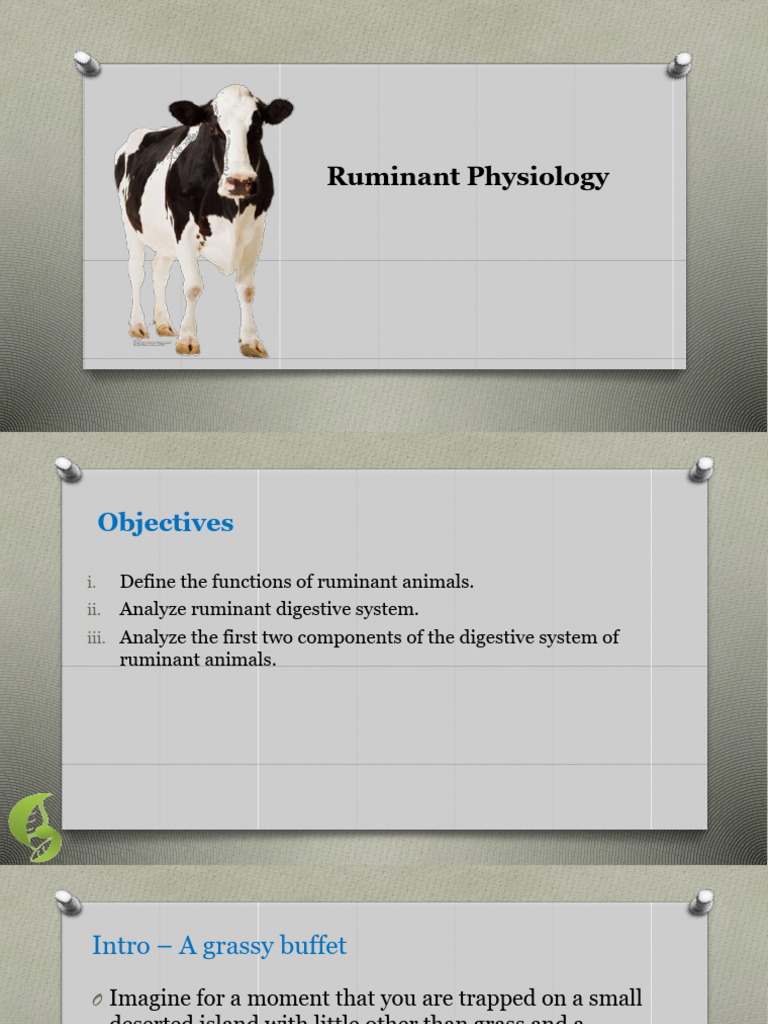
Have you ever pondered how some animals seemingly graze for hours, yet maintain their energy levels effortlessly throughout the day? This peculiar behavior is not just a curious quirk; it’s a testament to the intricate design of ruminant digestion. Among the animal kingdom, one of the most intriguing examples of ruminant digestion can be found in cattle, more specifically, the delightful bovine. So, what exactly makes ruminant digestion such a fascinating subject, and how do these creatures process their food? Let’s delve deeply into the anatomy and physiology of ruminants, focusing predominantly on cows.
The term “ruminant” itself is derived from the Latin word “ruminare,” which means “to chew over again.” This term aptly captures the essence of ruminant digestion, a complex and multifaceted process that is distinct from simpler digestive systems. Ruminants possess a specialized stomach structure divided into four compartments: the rumen, reticulum, omasum, and abomasum. Each part plays a critical role in breaking down fibrous plant material, primarily sourced from grasses, hay, and other roughages.
The first compartment, the rumen, acts as a fermentation chamber. Upon ingestion, food enters the rumen where it is mixed with saliva and a plethora of microorganisms, including bacteria and protozoa. These microbial residents are hailed for their prowess in breaking down cellulose, a challenging carbohydrate found in many plant cell walls. This fermentation process produces volatile fatty acids, which are a primary energy source for ruminants. The rumen can hold up to 50 gallons of material, allowing cattle to continue foraging even while digesting. Can you imagine slacking off your meals, yet still feeling like you have endless energy?
The second compartment, the reticulum, functions in tandem with the rumen, further straining out food particles and catching any foreign materials the animal might ingest, such as small stones or bits of metal—an unfortunate but not uncommon occurrence. The reticulum’s honeycomb-like structure allows it to filter and separate larger particles, which need more time to break down. This may seem mundane, but it plays an essential role in ensuring that only adequately prepared food moves on to the next stage. If the reticulum’s job could go awry, it could pose significant health risks, triggering conditions such as hardware disease if foreign objects were neglected.
Next, we encounter the omasum, which resembles a spiral staircase. This compartment primarily absorbs water and nutrients from the partially digested food. It is smaller than the rumen and reticulum but incredibly important for efficient nutrient absorption. Imagine a specialist meticulously sifting through a collection of valuable nuggets; that’s precisely the function of the omasum. Through its folds, it efficiently extracts every possible ounce of goodness from the food, gating even slight amounts of moisture, which would otherwise be excreted in waste.
Finally, we arrive at the abomasum, the “true stomach” of ruminants. It is akin to the human stomach, secreting enzymes and acids to digest food further. Here, the processes resemble those of monogastric animals (like humans), where the breakdown of nutrients happens primarily through chemical action rather than microbial action. This compartment prepares nutrients for absorption in the small intestine, ensuring that the cow receives adequate protein and essential nutrients. It’s almost like a grand finale, where all elements of digestion come together to deliver vital substances necessary for life.
The ruminating process itself is fascinating. Cows often chew their cud—a bolus of partially digested food that they regurgitate back into their mouths to chew again. This act of “ruminating” seems repetitive but proves to be crucial for maximizing nutrient extraction. Each chew adds digestive enzymes and saliva, amplifying the breakdown of fibrous materials. In the realm of animal physiology, this efficient system allows cows to thrive on diets that would otherwise be inedible to other animals, showcasing nature’s ingenious adaptations.
This elaborate process exemplifies a broader evolutionary strategy, showcasing the adaptability of bovines in their quest for survival. In pasturelands, where lush green grasses abound, ruminants like cows have evolved to extract energy from sources that would otherwise be unmanageable. This also raises a potential challenge: With the growing demand for beef and dairy, the sustainability of ruminant farming is under scrutiny. How can agricultural practices balance the needs of the ever-expanding global population with the ecological concerns prompted by livestock farming? Exploring alternatives such as regenerative grazing could offer solutions, preserving the essential balance between livestock and ecosystem health.
Moreover, the uniqueness of ruminant digestion doesn’t halt at just cows. Several other species, such as sheep, goats, and deer, also share this remarkable digestive trait. Each species has adapted this process to suit its particular dietary needs and environmental contexts, further emphasizing the versatility of ruminant physiology. Isn’t it fascinating how one single digestive strategy can manifest in numerous ways, adapting to the diverse landscapes and available resources?
In conclusion, ruminant digestion is a marvel of evolutionary biology, uniquely showcased in cattle. From the vast fermentation chamber of the rumen to the final enzymatic breakdown in the abomasum, this intricate system highlights the profound interconnectedness of flora and fauna. As we endeavor to understand this process further, our challenge remains to approach agriculture thoughtfully, ensuring that both livestock and ecosystems can thrive harmoniously. The wonders of ruminant digestion continue to fascinate, beckoning questions about sustainability, nutrition, and the delicate balance of life on Earth.