The presentation of research findings through a poster is a common yet profound method that captivates academic audiences. A research poster serves as an amalgamation of condensed information, graphical representation, and visual appeal, creating a unique blend that fosters engagement. At its core, a research poster caters to the fundamental need for clarity while provoking not only curiosity but also deeper reflection on the subject matter being presented.
Imagine standing in a crowded conference hall, where scholars from myriad disciplines gather. The air is thick with intellectual exchange, and amongst the cacophony of voices, specific posters catch the eye. Their bold colors and succinct headlines invite you closer, pulling you into a world of research that might otherwise remain obscure. A well-designed poster not only communicates the research but also encapsulates the essence of inquiry itself. This raises two salient questions: what makes an effective research poster, and why do we find ourselves drawn to them in the first place?
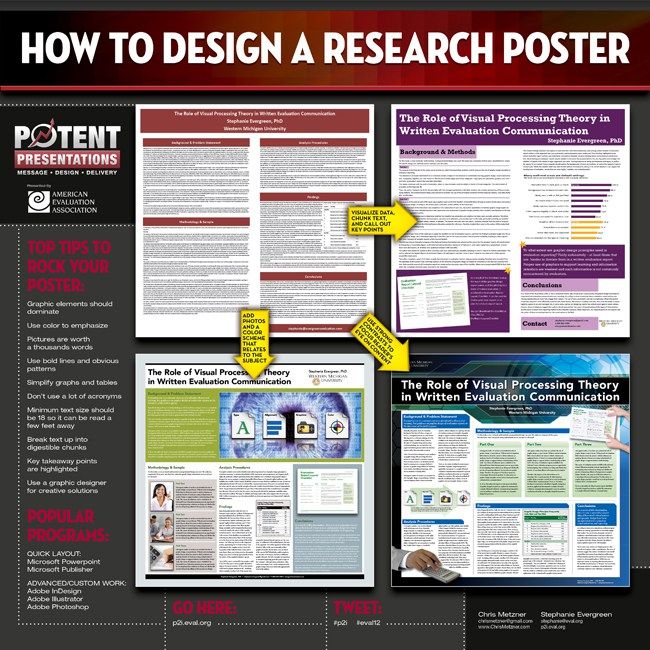
Effective research posters are characterized by clarity and visual coherence. The fundamental aim is to distill complex research findings into digestible segments. This is usually achieved through judicious use of titles, headings, bullet points, and images. A compelling title should pique interest, ideally melding creativity with scholarly rigor. The title acts as the first impression, so it is paramount to choose words that resonate well within the intended audience.
Visual elements play a critical role in engaging viewers. Images, graphs, and diagrams can sometimes convey information more efficiently than text. A striking image, such as an intricate molecular structure or a compelling chart showcasing statistical data, can serve as a focal point. Often, these visual cues not only bolster understanding but also provide a subtle nudge toward an emotional reaction, deepening the viewer’s engagement with the content.
Moreover, the layout of a research poster is pivotal. A well-organized structure often follows a logical flow akin to a narrative. Typically, a poster might begin with an introduction that outlines the research question, followed by an explanation of methodology, key findings, and conclusions. Each section should be distinctly separated yet fluidly connected, allowing the reader to journey through the research without feeling disoriented.
The art of conciseness cannot be emphasized enough. In the fast-paced context of a conference, attendees may only have a fleeting moment to absorb your work. Thus, presenting information in bite-sized pieces through bullet points or brief paragraphs maximizes retention. A succinct summary of findings, perhaps bolstered by catchy labels or keywords scattered throughout, can facilitate a quick grasp of the poster’s core message.
However, a visually appealing and concise poster can raise another intriguing element: the deeper reasons for fascination. At their essence, research posters encapsulate the spirit of inquiry — they reflect hours, if not years, of meticulous work, passion, and intellectual exploration. They are gateways into diverse worlds of knowledge, each poster unveiling the intricate web of research communities worldwide. Attendees are often drawn not solely by the subject matter but also by the collective experience of scholarly pursuit that these posters embody.
This leads to the contemplation of the human inclination to connect. Humans are innately social creatures, seeking validation, understanding, and shared experiences. When an individual stumbles upon a research poster that resonates with their interests or concerns, it sparks a dialogue — an opportunity for storytelling. Engaging with the researcher, asking questions, or simply sharing thoughts creates a unique intellectual camaraderie. In this manner, research posters become conduits of connection, intertwining individual narratives within a broader scientific discourse.
The intrigue does not solely lie in the information; it extends to the implications of the research. A seemingly mundane study on, say, plant growth in various soil types may uncover deeper environmental challenges such as climate change or biodiversity loss. Viewers become not just passive recipients of knowledge, but active participants in a conversation about crucial global issues. As they explore research posters, they encounter ideas that provoke further inquiry, reinforcing the connection between research and real-life implications.
Another dimension worth noting is the opportunity research posters create for interdisciplinary dialogue. Conferences often attract attendees from various fields, showcasing how seemingly disparate disciplines can intersect. One might encounter a biology-focused poster yielding fascinating insights into medical applications, or a poster on sociology elucidating the psychological impact of environmental changes. Such surprising revelations breed an environment ripe for collaboration and innovation, underscoring the beauty and complexity of research.
Ultimately, the experience of engaging with research posters transcends mere observation. It invites contemplation on the synthesis of knowledge, challenges existing paradigms, and inspires new avenues of thought. The vivid imagery and succinct summaries are not only aesthetic but also intellectually stimulating. As one stands before these encapsulated worlds, it becomes evident that a research poster is more than just a display; it is a vibrant intersection of curiosity, discovery, and the timeless human quest for understanding.
In constructing effective research posters, scholars cultivate not just their projects but an enduring dialogue with their audience. Ultimately, each poster presents a microcosm of scholarly devotion and collective inquiry, challenging each of us to delve deeper into the subjects that intrigue us. Thus, as you navigate the realm of research presentations, remember that every poster, regardless of its subject, has the potential to awaken your intellectual curiosity and inspire a journey into uncharted territories of knowledge.