
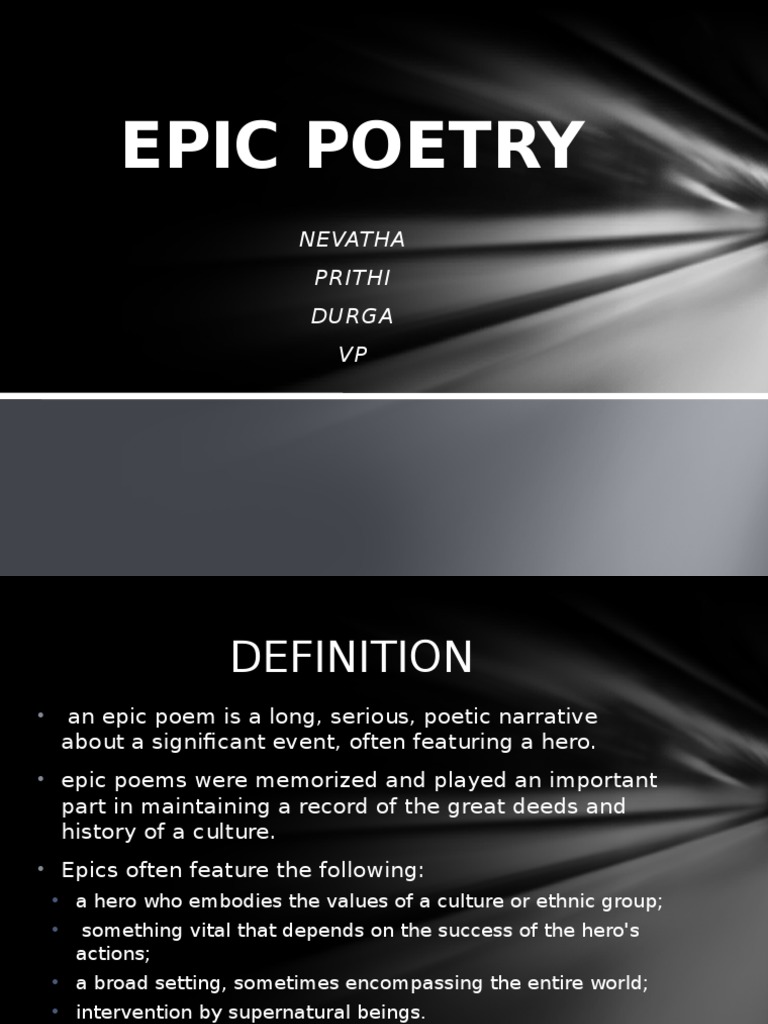
Epic poetry stands as a monument to human imagination and cultural expression. It is a genre that transcends the mundanity of everyday life, transporting readers into realms where heroes clash, gods intervene, and the fate of nations hangs in the balance. The grandeur of epic poetry lies not only in its sweeping narratives but also in its profound exploration of themes that resonate deeply with the human experience. To understand the appeal and significance of epic poetry, it is imperative to delve into some quintessential examples that embody its magnificence.
One of the most celebrated examples of epic poetry is the ancient Greek masterpiece, the “Iliad.” This narrative, attributed to Homer, chronicles the events of the Trojan War. Its vivid imagery and intricate characterizations breathe life into legendary figures such as Achilles, Hector, and Paris. The tension between honor and mortality emerges as a central theme, encapsulating the struggles faced by these heroes. The “Iliad” acts as a canvas upon which the complexities of human emotion and the consequences of pride and rage are vividly painted. Notably, Achilles’ wrath serves as a poignant reminder of the cost of vengeance, a motif that invites contemplation of our own emotional responses to conflict.
Equally monumental is the “Odyssey,” also attributed to Homer. This epic narrates the arduous journey of Odysseus as he attempts to return home after the Trojan War. Unlike the fierce battlefield confrontations of the “Iliad,” the “Odyssey” meanders through a tapestry of encounters with fantastical creatures and divine interventions. The trials faced by Odysseus not only highlight the theme of perseverance but also underscore the value of intellect and cunning over brute strength. His encounters with figures like the seductive Sirens and ferocious Cyclopes serve as allegorical explorations of temptation and resilience. The narrative’s sprawling scope allows an examination of the importance of home and the profound sense of belonging that awaits at the journey’s end.
Shifting from ancient Greece to ancient Rome, we encounter Virgil’s “Aeneid,” an epic that recounts the journey of Aeneas, a Trojan hero destined to found Rome. This narrative is steeped in themes of duty, sacrifice, and the inexorable pull of fate. Unlike its predecessors, the “Aeneid” operates within a distinctly Roman context, emphasizing the virtues of piety and loyalty to one’s homeland. Aeneas’ relentless pursuit of his destiny, despite overwhelming obstacles, serves as a meditative reflection on the nature of sacrifice for the greater good. The tragic figure of Dido, who falls victim to Aeneas’ fateful departure, introduces a heartbreaking element of personal loss intertwined with the larger narrative of national identity. The “Aeneid” thus encapsulates the interplay of individual desires and collective destinies, a theme that resonates across cultures and epochs.
The significance of epic poetry extends beyond individual narratives. It often serves as a lens through which we can explore broader societal values and cultural identities. Take, for instance, the “Divine Comedy” by Dante Alighieri, an epic that intricately weaves together themes of morality, sin, and redemption. Through Dante’s allegorical journey through Hell, Purgatory, and Paradise, the poem addresses the universal quest for meaning and divine grace. Its profound moral implications compel readers to reflect on their own choices and spiritual paths. Here, Dante elevates the genre of epic poetry by infusing it with philosophical inquiry, underscoring the human aspiration towards enlightenment.
Moreover, while the canonical epics are often steeped in antiquity, modern interpretations and reinventions of the form continue to emerge. Consider the “Song of Solomon” by Toni Morrison, which, while not an epic in the traditional sense, embodies the epic scope through its exploration of African American identity, history, and resilience. Morrison constructs a multigenerational narrative that delves into themes of love, flight, and the reclamation of heritage. Her prose resonates with the richness of oral traditions, evoking the grandiosity often associated with epic poetry. The ability of contemporary authors to harness the essence of epic poetry while addressing modern themes speaks to the genre’s enduring allure and adaptability.
The fascination with epic poetry lies in its ability to encapsulate the vastness of human experience. These works do not simply recount the adventures of their protagonists; they delve into the depths of human emotion, morality, and the struggles inherent in the human condition. The conflicts faced by epic heroes often mirror the internal battles that individuals grapple with in their own lives. The timeless themes of love, loss, honor, and aspiration encapsulated in epic poetry maintain an irrefutable relevance.
Furthermore, the language of epic poetry itself often evokes a sense of grandeur and magnificence. The elevated diction, rhythmic flow, and rich imagery create an immersive experience that captivates the reader’s imagination. This linguistic artistry serves not only to engage but also to elevate the tales being told, transforming them into universal narratives that resonate across cultures and generations.
In conclusion, the examples of epic poetry—from the “Iliad” and the “Odyssey” to the “Aeneid” and modern interpretations—demonstrate the genre’s profound ability to address fundamental human experiences and questions. As we traverse the pages of these narratives, we find ourselves not only entertained but also engaged in a deeper exploration of our own identities and values. Epic poetry remains a vital and dynamic form of storytelling, a testament to the enduring power of narrative to connect us across time and space.













