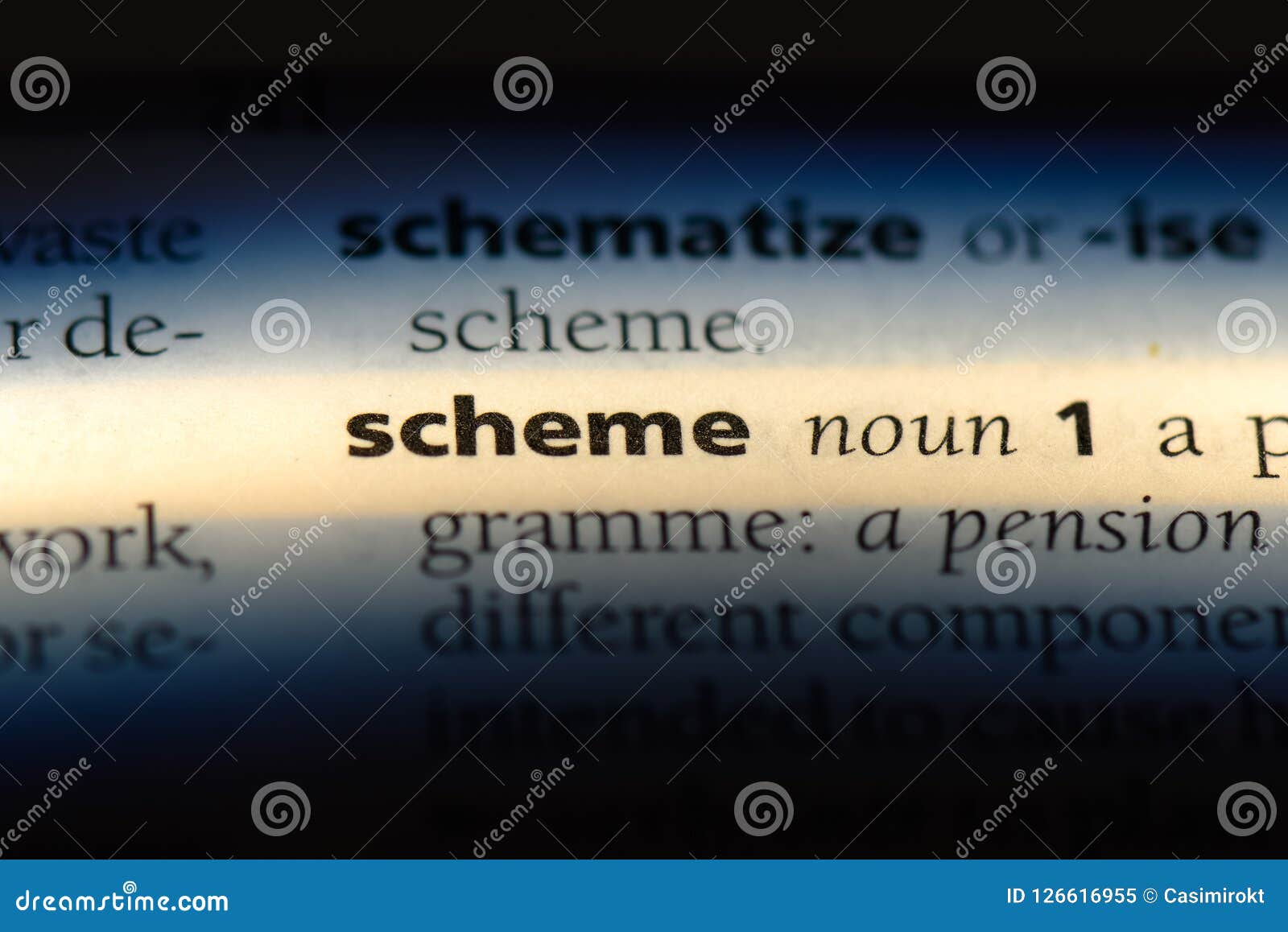
In the vast tapestry of the English language, words often don a multitude of designs, each layered with meaning, intention, and nuance. One such enigmatic term is “scheme.” At first glance, it seems deceptively simple. Yet, delving deeper reveals a fascinating constellation of interpretations and applications that stimulate not just the mind but also the imagination.
To explore the word “scheme” effectively, it is imperative to traverse its etymology, evolution, and various contexts in which it operates. Initially derived from the Greek word “skhema,” meaning “form” or “figure,” the term carries an inherent sense of design or structure. This cornerstone of meaning forms the backdrop against which the multifaceted uses of the word unfold.
Consider, for example, the most prevalent application of “scheme” in the realm of planning. In many contexts, a scheme denotes a carefully laid blueprint—an intricate design encompassing objectives and strategies aimed at achieving a specific goal. Whether it manifests as an urban development project, a marketing campaign, or a personal ambition, the connotation of meticulous preparation is omnipresent.
Yet, the term “scheme” can simultaneously evoke an air of suspicion. The word is often used to describe machinations that border on deception. It conjures images of cunning plots and elaborate ruses, inviting an array of moral complexities. This dichotomy between overt intentions and underlying motives prompts one to ask: when does a scheme become dubious? Understanding this pivotal distinction is essential to grasp the full scope of the term.
On a more abstract plane, “scheme” encompasses cognitive schemes—mental frameworks that help individuals interpret and categorize information. This psychological interpretation underscores the influence of schemata on perception; they shape our understanding and interaction with the world. One can ponder how our cognitive schemes might color our experiences. Do they limit our perspectives, or do they provide us with a scaffold to transcend the mundane? Such questions beckon the curious mind to further explore the internal landscapes we construct.
The versatility of the word extends to the domain of art and aesthetics as well. Artists frequently engage with schemes, whether consciously or subconsciously, to influence color palettes, compositions, and thematic elements. In this creative context, a scheme might refer to a combination of visual elements that evoke specific emotions—vivid hues orchestrating a harmonious rhythm or stark contrasts challenging aesthetic norms. Such artistic schemes beckon viewers to examine not just what is presented, but how it makes them feel and why.
Moreover, “scheme” is a term often utilized within the confines of the corporate world. From financial schemes that promise lucrative returns to strategic business schemes designed to secure competitive advantage, the implications are vast and imperative for success. Each of these examples serves as a testament to the duality inherent in the term. While some schemes may pave the way for innovation and advancement, others may harbor shadows of ethical ambiguity. This treacherous terrain fully illustrates the intrigue surrounding the term, evoking both aspiration and caution.
The literary realm is not devoid of schemes either. Authors, poets, and playwrights frequently weave schemes into their narratives, be they plot structures, character arcs, or thematic explorations. One might recall classic literary schemes that culminate in unforeseen twists, prompting readers to reevaluate their understanding of the characters’ journeys. Here, the scheme serves as both a storytelling device and a catalyst for introspection, prompting audience members to reconsider their own worldviews and emotional responses.
Historical frameworks provide another rich avenue for exploring the word “scheme.” The past is riddled with schemes that shifted the course of civilizations. Political machinations, social revolutions, and economic strategies have fundamentally altered societal landscapes. Each historical scheme tells a story of ambition, conflict, and, sometimes, tragic misjudgment. Such reflections can prompt contemporary society to remain vigilant about its own schemes, meticulously navigating the line between beneficial planning and harmful intrigue.
In a more personal context, one’s life can often be viewed through the lens of schemes. A scheme for self-improvement might entail a detailed regimen for physical fitness, mental well-being, or skill development. Here, the word retains a positive connotation—the idea that we can craft our destinies through thoughtful planning and initiative. However, it also requires introspection: are these self-improvement schemes genuine expressions of our desires or merely societal expectations? This internal dialogue can inspire profound transformations, fostering growth and enlightenment.
To encapsulate the pervasive influence of “scheme,” consider how language itself operates as a grand scheme. Each word is meticulously arranged, creating an architectural wonder of thought and expression. This linguistic scheme transcends cultural boundaries, allowing for the sharing of ideas, emotions, and insights across generations and geographies. The ability to communicate through such a complex web of meanings encapsulates the essential human experience.
Finally, there lies a fundamental question for the curious mind: what does the word “scheme” evoke in you? It’s a reminder that words are not just symbols; they possess the power to shape our realities. As we navigate through life’s myriad schemes, may we remain responsive to the intricate tapestries woven by our intentions, perceptions, and actions. All the while, we must recognize the potential for transformation that arises from engaging with this remarkable term. Let it challenge us, inspire us, and, ultimately, guide us on the labyrinthine paths of existence.