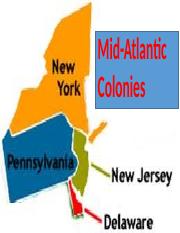
The Mid-Atlantic, or Middle Colonies, comprised a unique collection of territories that stood out in cultural diversity, economic activity, and political structure during the colonial period of North America. Among these colonies, Pennsylvania is often highlighted as a quintessential example of what made the Mid-Atlantic distinct from its New England and Southern counterparts. This article will delve into various elements of Pennsylvania, including its founding, demographics, economic development, and overall cultural significance within the context of the Mid-Atlantic colonies.
Founding and Historical Context
Pennsylvania was founded in 1681 by William Penn, a Quaker, who sought to create a sanctuary for religious freedom. The colony emerged from a charter granted by King Charles II to Penn, which gave him vast land in the New World. The land was largely unoccupied and thus provided an opportunity for Penn to establish a colony where different religious and ethnic groups could coexist peacefully. Unlike other colonies that were primarily established by commercial enterprises or military ambitions, Pennsylvania represented a social experiment aimed at championing tolerance.
Religious Diversity
The Mid-Atlantic colonies were a melting pot of various religions and cultures, with Pennsylvania serving as the epicenter of this diversity. Quakers, Mennonites, Lutherans, and Catholics, among others, found refuge in Pennsylvania. This diversity not only fostered a spirit of coexistence but also enhanced the cultural tapestry of the region. Unlike the Puritan-dominated New England colonies that enforced strict adherence to their faith, Pennsylvania allowed for a pluralistic society, encouraging dialogue among different beliefs. Consequently, Pennsylvania became a cradle for ideas about liberty and democracy, influencing the future of the United States.
Demographics: A Mosaic of Cultures
The population of Pennsylvania showcased an intriguing blend of ethnic groups. English, Dutch, German, and Welsh settlers contributed to the colony’s demographic tapestry. The influx of German immigrants, who were often referred to as the “Pennsylvania Dutch,” significantly shaped the colony’s agriculture and craftsmanship. These settlers brought advanced farming techniques and traditional crafts, fostering economic prosperity. Furthermore, the diverse population also brought different culinary traditions, enriching local cuisine with an array of flavors and dishes that still influence the region today.
Economic Development: Agriculture and Beyond
Economically, Pennsylvania benefited from its fertile land and favorable climate, making it an agrarian powerhouse. The staple crops included wheat, corn, and barley, which thrived in the rich soil. Pennsylvania’s agricultural output earned it the nickname “The Breadbasket of America.” Moreover, the colony was not solely dependent on agriculture; it also became a hub for trade, craftsmanship, and manufacturing. Cities like Philadelphia grew as commercial centers, fostering innovation and attracting merchants from across the Atlantic. The development of various trades, such as shipbuilding, textiles, and ironworks, contributed to the colony’s economic robustness.
Social Structure and Governance
Pennsylvania’s governance structure further distinguished it from its neighbors. Penn envisioned a democratic government based on the principles of equality and representation. The Frame of Government, outlined by Penn, stipulated that government officials would be elected by the populace, a radical idea for the time. This framework promoted civic virtue and encouraged active participation among citizens. Additionally, the Great Law enacted in 1682, emphasized fair treatment and justice for all, irrespective of religion or ancestry—a principle still vital in modern governance.
Education and Enlightenment
The Mid-Atlantic colonies, particularly Pennsylvania, served as a breeding ground for intellectual enlightenment and education. Educational institutions, including the esteemed University of Pennsylvania, were established to promote learning and foster innovation. The colony emphasized the importance of literacy and education for all and established public schools to facilitate this aim. This commitment to education helped cultivate a more informed citizenry, willing to engage in discussions about governance, ethics, and social responsibility.
Cultural Contributions
Maryland served as another example of the Mid-Atlantic ethos, showcasing cultural contributions that would endure for generations. Renowned figures such as Benjamin Franklin emerged from Pennsylvania, championing advancements in science, philosophy, and civic engagement. Franklin’s innovations—such as the lightning rod and bifocal glasses—were reflective of the colony’s embrace of scientific inquiry and rational thought, pivotal during the Enlightenment era.
Impact and Legacy
The legacy of Pennsylvania as a Mid-Atlantic colony extends beyond its foundations in religious tolerance and democracy. The colony played a crucial role during the American Revolution, hosting the Continental Congress in Philadelphia, where key decisions regarding independence and governance were made. The Declaration of Independence was adopted in this vibrant context of free thought and community engagement, strengthening the ideals of liberty that resonate through American history.
Today, the historical significance of Pennsylvania endures, serving as a reminder of the rich tapestry of cultures and ideas that shaped the United States. The illustration of Pennsylvania offers insight into the potential for disparate groups to coexist and thrive, nurturing a spirit of innovation and progress.
In summary, Pennsylvania exemplifies various aspects of the Mid-Atlantic colonies through its founding principles, cultural diversity, economic development, and contributions to education and enlightenment. This colony not only defined its region but also set a precedent, influencing the political and social landscape of a burgeoning nation.