Onomatopoeia, a captivating linguistic phenomenon, encapsulates sounds through words, conjuring vivid imagery in the reader’s mind. It is as though the letters and syllables converge to replicate real-world auditory experiences—the crackle of a fire, the rustle of leaves, or the distant chatter of a bustling city. This lexical artistry transforms mere sentences into symphonies of sensation, drawing readers deeper into the narrative.
At its core, onomatopoeia serves a primary function: to evoke sound. The term itself derives from the Greek words “onoma,” meaning “name,” and “poiein,” meaning “to make.” Collectively, this roots the definition of onomatopoeia as “the making of a name.” However, it transcends this simple definition, evolving into a potent tool in various forms of communication. Children often cheerfully engage with onomatopoeic words in rhymes and stories, creating a playful connection to language that lasts a lifetime.
To better understand this fascinating concept, let’s delve into its categories, examples, and the profound impact it has on literature and everyday interactions.
Categories of Onomatopoeia
Onomatopoeic words can be broadly categorized into different types, with variations in their sound representation. Here are some key distinctions:
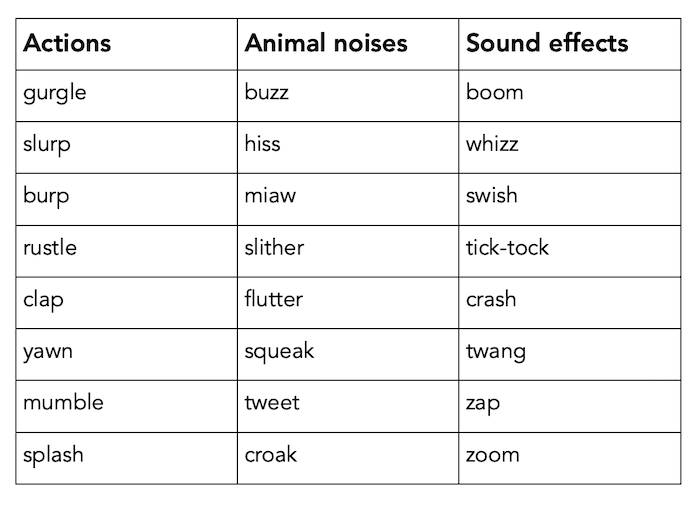
- Natural sounds: These words imitate sounds made by nature and living beings. For instance, “buzz” mimics the sound of a bee, while “hiss” evokes the sound of a snake. This category harnesses the essence of the natural world, inviting readers to experience it in a visceral manner.
- Mechanical sounds: Words like “clatter” and “whir” reflect the noises generated by machinery or devices. By incorporating such terms, authors can breathe life into inanimate objects, endowing them with a personality of their own.
- Physical actions: Verbs such as “splash,” “thud,” and “bang” serve as auditory representation of actions. They encapsulate movement and stimulate a reader’s imagination, making scenes more dynamic and engaging.
Each category composes a rich tapestry of sounds, enhancing storytelling by creating a multisensory experience.
Examples of Onomatopoeia in Language
Consider the following examples, where the tension of the moment is encapsulated through onomatopoeic language:
- “The door creaked open with a slow, eerie creak that sent shivers down her spine.” Here, the word creak adds an auditory dimension to the suspense of the narrative.
- “As the rain fell, it pitter-pattered on the roof, a soothing backdrop to the turmoil inside.” The repetition in pitter-patter mirrors the sound of raindrops, enveloping the reader in a warm cocoon of imagery.
- “He could hear the thud of his heart pounding in his ears as he approached the final countdown.” The use of thud conveys urgency, mirroring the intensity of the moment.
These examples illustrate not only the sound but also the emotional resonance that onomatopoeic terms can evoke, pulling readers into the fabric of the narrative.
The Allure of Onomatopoeia in Literature
Literature and poetry often embrace the allure of onomatopoeia, intertwining it with descriptive prose. Renowned authors have utilized this device to encapsulate their narratives in a subtly rhythmic manner. Literary works become abundantly alive, each word resonating with sound. Take, for example, the exquisite poetry of Emily Dickinson, whose succinct use of onomatopoeia magnifies her emotional range. A line such as “the chirp of birds heralds the dawn” paints a picture steeped in both sound and emotion.
In narrative fiction, onomatopoeia can serve to develop characters and enhance plotlines. The choice of sounds associated with characters, locations, or events compels the reader to engage more intimately with the text. The majestic roar of a lion might symbolize strength and valor, while the gentle whisper of a lover conjures notions of intimacy and tenderness.
Everyday Usage of Onomatopoeia
Beyond the literary realm, onomatopoeia permeates everyday language. It shapes our communication, particularly in informal contexts. Children’s stories are laden with onomatopoeic terms that enliven the narrative. Imagine a storybook that describes a playful scene: “The cat meowed while the dog barked, creating a cacophony of sounds that filled the air.” This playful use of sound captures the whimsical essence of childhood, embedding itself in the minds of young readers.
Moreover, onomatopoeia has found its place in advertisements and branding. Marketers often harness the power of sound to evoke emotion and resonate with audiences. Catchy slogans often utilize onomatopoeic words to create a lasting impression. Who can forget the catchy crunch of a delicious chip or the sizzle of a mouthwatering steak? These words create an auditory connection that often leads to sensory anticipation and enjoyment.
The Unique Appeal of Onomatopoeia
Ultimately, onomatopoeia is more than a mere linguistic curiosity; it is a portal that binds language with the sensory world. It crafts a tangible experience, allowing readers to envision sound, transforming abstract concepts into vivid mental images. This unique appeal is what makes onomatopoeia a cherished aspect of language and literature.
In conclusion, onomatopoeia stands as an artistic bridge between the written word and the symphony of sounds that permeate our environment. It invites readers to engage deeply with text, awakening their senses and igniting their imagination. With rich historical roots and diverse applications, onomatopoeia remains a vital element of both communication and creative expression, enchanting generations with its melodious charm.