In the intricate tapestry of professional advancement, the curriculum vitae (CV) stands as a vital thread that weaves together the myriad experiences, accomplishments, and qualities that define an individual. Much like a carefully curated gallery, a well-constructed CV showcases a candidate’s journey, echoing their ambitions, skills, and potential. It transcends a mere list of qualifications; it is a narrative that unfolds, revealing the individual behind the credentials.
As one embarks on the pilgrimage of career development, crafting a compelling curriculum vitae can feel akin to sculpting a masterpiece from a block of marble. The artist—here, the job seeker—must selectively chisel away the superfluous elements to unveil the intricate detail hidden beneath the surface. This remarkable document serves not only as a personal biography but also as a marketing tool, designed to entice potential employers, much like a well-designed storefront lures customers inside.
### Defining the Curricular Essence
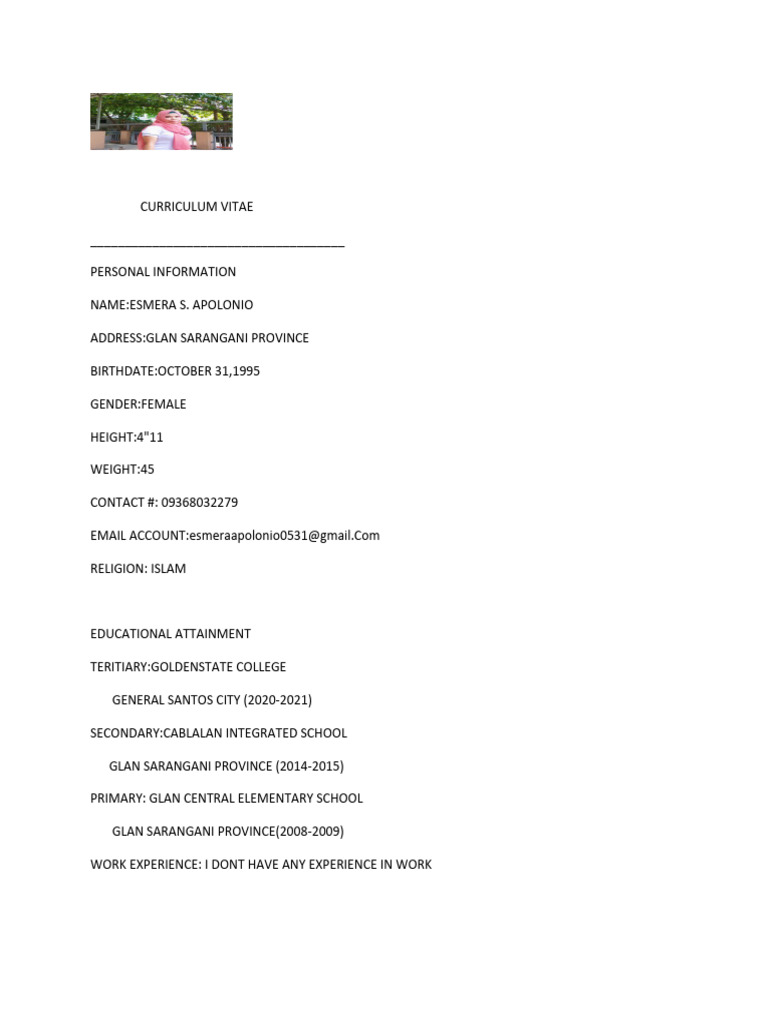
The heart of any CV lies in its structural elements. A standard format typically includes sections such as:
- Contact Information: The digital age has rendered this section instrumental. It acts as the gateway, allowing prospective employers to reach out with ease. Including your name, phone number, email address, and even a link to your professional online profile is paramount.
- Personal Profile: This is your elevator pitch— a concise yet powerful summary that encapsulates who you are professionally. It provides an opportunity to emphasize your unique value proposition to potential employers.
- Education: Highlighting educational achievements, including institutions attended and qualifications gained, this section lays the groundwork for showcasing the academic prowess that supports your professional narrative.
- Work Experience: Often regarded as the backbone of the CV, this section should illustrate your professional journey. Each role must be articulated with clarity, focusing on accomplishments rather than merely listing duties.
- Skills: Crafting this section is akin to assembling a toolbox. Each skill listed should reflect your adaptability and aptitude for the roles you aspire to. Tailor them to resonate with the job description.
- Additional Sections: Depending on the profession, including sections for publications, conferences, certifications, or affiliations can further enhance the allure of your CV.
### Engaging Visual Appeal
In a world saturated with information, visual presentation can elevate a CV from the ordinary to the extraordinary. Think of your CV as the cover of a novel; it should capture attention before the reader delves into the content. Employing a harmonious mix of typography, spacing, and layout is essential. Use headings to delineate sections while preserving an aesthetic fluidity.
Incorporating subtle colors or stylistic elements can add a professional flair without veering into the realm of flamboyance. This is where the metaphorical art of dressing to impress comes into play; just as one would carefully select attire for an important interview, so too must a CV be adorned with elements that reflect professionalism and personal branding.
### Crafting a Compelling Narrative
Each section of a CV should communicate a story. The work experience section, for instance, is not merely a chronological list; rather, it is an anthology of your professional life. When detailing work history, employ action verbs and quantify achievements wherever possible. Instead of stating “Responsible for managing a team,” one might say, “Directed a team of 10 that achieved a 25% increase in departmental efficiency over one fiscal year.”
This transformation from passive to active language not only conveys responsibility but also highlights leadership and results. Such meticulous attention to detail can uniquely position you as a candidate who not only performs tasks but drives success.
### Tailoring Your CV
A one-size-fits-all CV is akin to a generic television advertisement; it fails to resonate with its audience. Each application should evoke a personalized touch, aligning your skills and experiences with the specific demands of the job in question. This entails scrutinizing job descriptions for keywords that encapsulate the essence of the role and then mirroring those within your CV.
This interpretative dance between your qualifications and the job’s requirements can substantially enhance your attractiveness as a candidate. Embrace this endeavor, as tailoring your CV reflects your dedication and seriousness in pursuing the position.
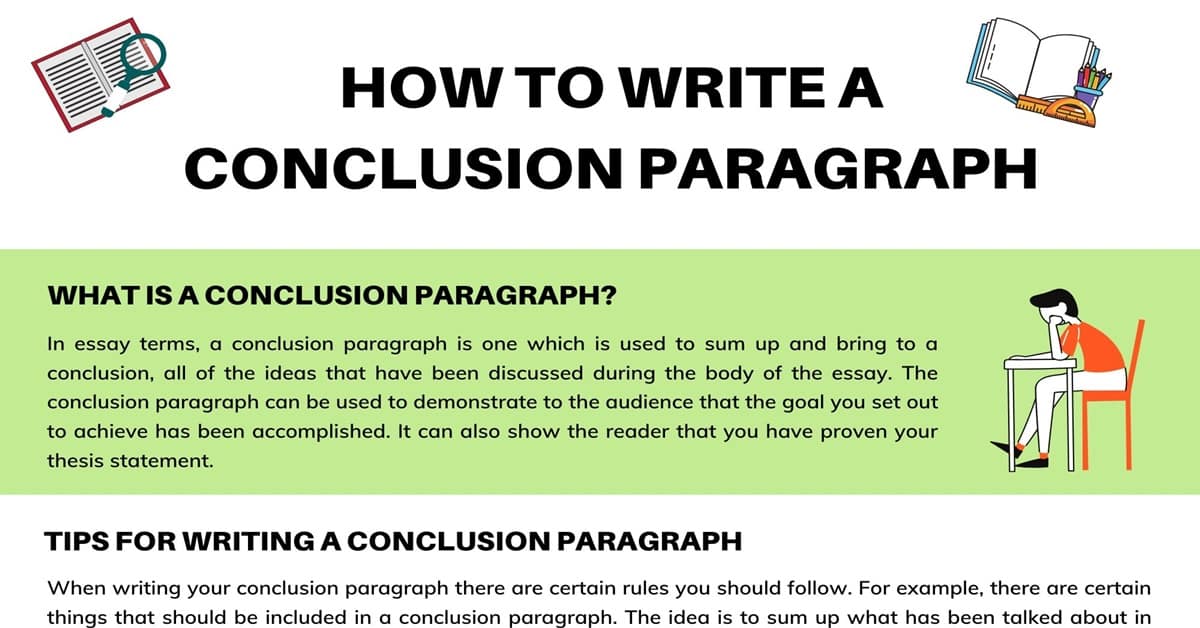
### Conclusion
Ultimately, the curriculum vitae is more than a document; it is a powerful narrative that encapsulates an individual’s professional aspirations, experiences, and identity. By imbuing it with a thoughtful structure, engaging presentation, compelling language, and tailored specifics, candidates can craft a CV that resonates deeply with employers. It serves as a robust testament to their journey—an oeuvre in progress, awaiting the next chapter in their career.
Much like a compelling novel that captivates readers and compels them to keep turning the pages, a thoughtfully composed CV can beckon recruiters and hiring managers to extend an invitation for an interview, where new stories begin to unfold.