When embarking on the journey of writing a narrative essay, one may encounter various styles and nuances that embellish the art of storytelling. A narrative essay is not merely a recounting of events; it is an intricate tapestry woven with personal experiences, emotions, and vivid imagery. In this article, we will explore the multifaceted nature of narrative essays, providing an extensive overview of their components, types, and the enriching experiences they offer both the writer and the reader.
At its core, a narrative essay is a narrative form that conveys a particular story or experience from the author’s perspective. Unlike traditional academic essays, narrative essays are imbued with a sense of personal flair, allowing writers to express their individuality. They often follow a chronological structure but can also employ flashbacks or nonlinear timelines to enhance the storytelling experience. Stitched together by a central theme or message, what sets a narrative essay apart is its ability to evoke emotions and provoke thought, thereby solidifying its place in the literary canon.
Types of Narrative Essays
1. Personal Narrative
Personal narratives draw directly from the writer’s life experiences, reflecting significant moments that shaped their identity. This genre often delves into memories, bridging the gap between past and present. The prime objective here is self-exploration; writers reveal their innermost thoughts amidst the recounting of events. For instance, a personal narrative could detail the day someone confronted their lifelong fear of public speaking, transmitting their journey through angst and eventual triumph. Readers can resonate with these experiences, as they often mirror their own struggles, fostering a powerful connection.
2. Descriptive Narrative
In contrast to straightforward storytelling, a descriptive narrative thrives on lush imagery and sensory details. Writers utilize vivid language to paint evocative scenes, enticing readers to step into a meticulously crafted world. Picture a descriptive narrative that outlines a childhood summer spent in a quaint village: the scent of blooming lilacs, the warmth of the sun on one’s skin, and the laughter of children at play. Such narratives allow readers to feel as though they are experiencing the events firsthand, making memories more tangible and poignant.
3. Reflective Narrative
Reflective narratives blend personal experience with introspection. They urge the writer to not only recount a story but also analyze its significance. This type of essay might explore themes of growth, regret, or enlightenment. For instance, after a soul-searching trip abroad, a reflective narrative could compel the writer to contemplate the broader impact of this experience on their worldview and personal ethos. Such depth invites readers to reflect alongside the writer, potentially catalyzing their self-discovery.
4. Fictional Narrative
Fictional narratives, as the name implies, are variants of narrative storytelling that delve into the realm of imagination. These essays often present fictional characters and settings, allowing authors to transcend reality and explore hypothetical scenarios. While these narratives do not stem from actual events in the author’s life, they may still capture universal themes. For example, a fictional narrative about a young girl embarking on a quest to find lost treasure may unveil themes of bravery and resilience. These stories captivate readers by transporting them into fantastical realms while conveying essential life lessons.
Components of a Narrative Essay
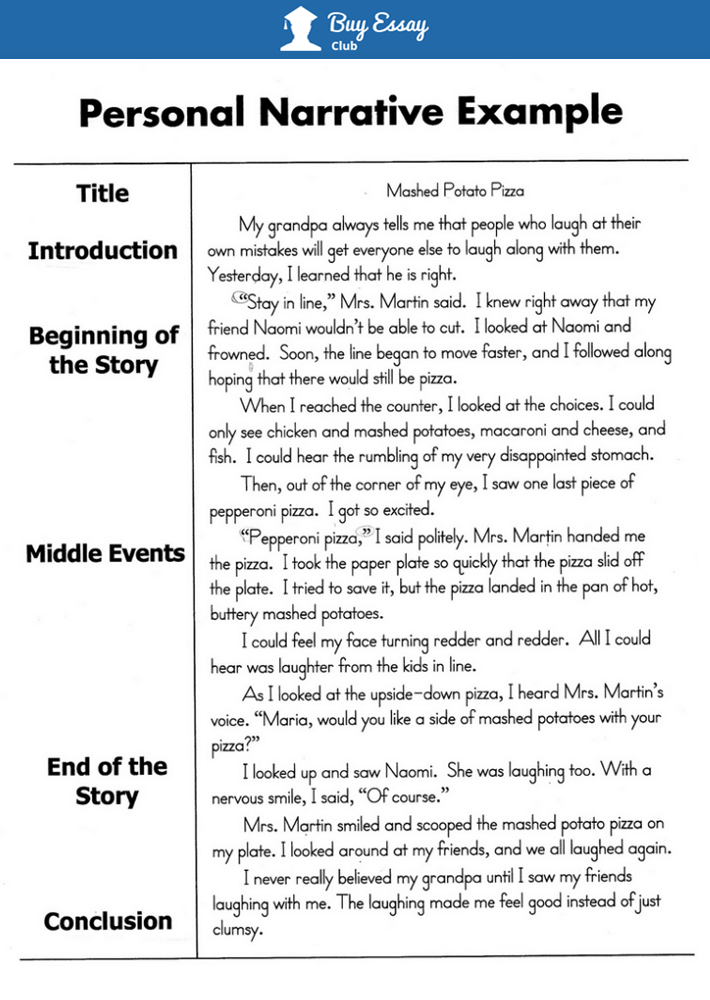
1. Introduction
The introduction sets the stage for the narrative. It should be engaging and informative, laying out the context of the story while enticing readers’ curiosity. By establishing the tone and offering a glimpse into the central theme, the introduction serves as a gateway into the narrative’s world.
2. Characters
Every narrative boasts characters, whether they are the writer themselves or fictional personas. Characters drive the plot forward and provide the emotional fabric of the narrative. Crafting rich, multidimensional characters helps readers to connect and empathize with their journeys.
3. Setting
The setting anchors the narrative, grounding readers in a particular time and place. It encompasses not only the physical environment but also the emotional climate. A well-described setting enhances the mood and accentuates the experiences portrayed in the essay.
4. Plot
The plot is the sequence of events that propel the narrative forward. Typically, it follows a structure comprising an exposition, rising action, climax, falling action, and resolution. A compelling plot fosters suspense and captivates the reader’s attention, making them eager to uncover what happens next.
5. Conflict
Conflict is the driving force behind any good narrative. It introduces challenges that characters must navigate, whether external confrontations or internal dilemmas. This element is crucial in heightening the stakes and fostering emotional resonance with readers.
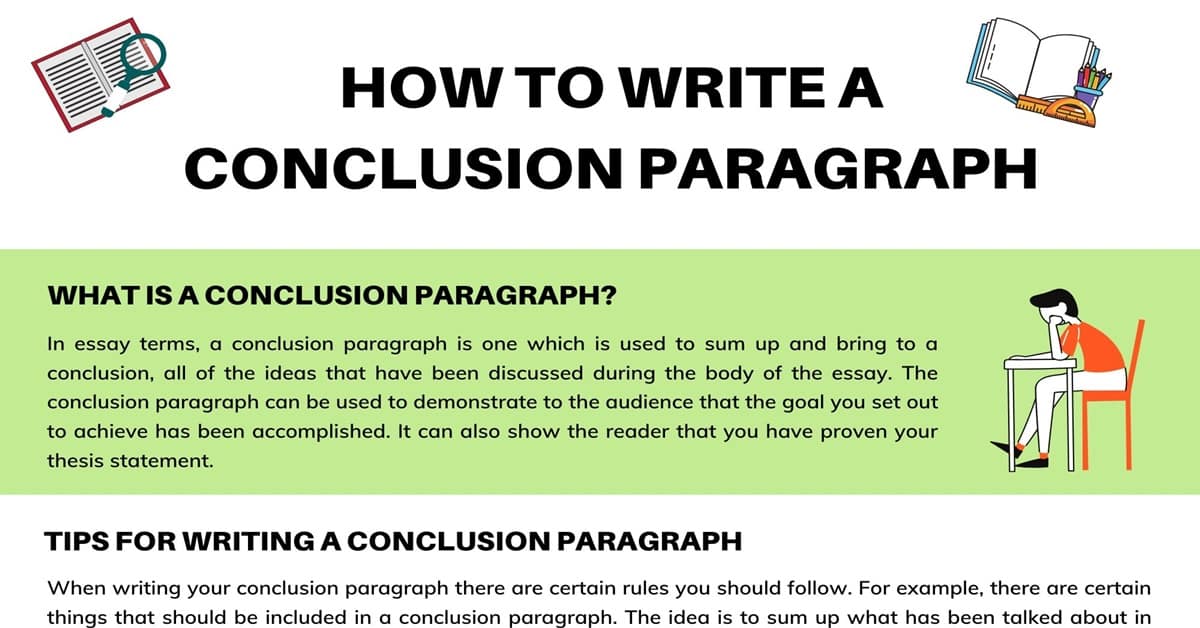
6. Conclusion
The conclusion offers closure, reflecting on the journey undertaken and revealing how experiences have shaped the characters or the narrator. A powerful ending not only summarizes the narrative but also leaves readers with lingering thoughts or feelings—a lasting impression that enriches their experience.
The Impact of Narrative Essays
Narrative essays, with their inherent ability to weave personal tales into universal truths, have the power to connect people across cultures and experiences. They invite readers to embark on a journey of empathy, encouraging understanding and reflection. Through the use of compelling storytelling, these essays can foster a sense of belonging and shared experience, bridging divides and igniting discussions. Whether through a personal journey, descriptive scenes, or fictional explorations, narrative essays continue to resonate as a vital form of expression, enriching both the creator and the audience.
In conclusion, narrative essays represent a captivating intersection of storytelling and personal reflection, showcasing the writer’s unique voice and perspective. By diving into varied types of narratives and their core components, one can appreciate the intricate art of crafting a narrative essay that not only entertains but also enlightens.