
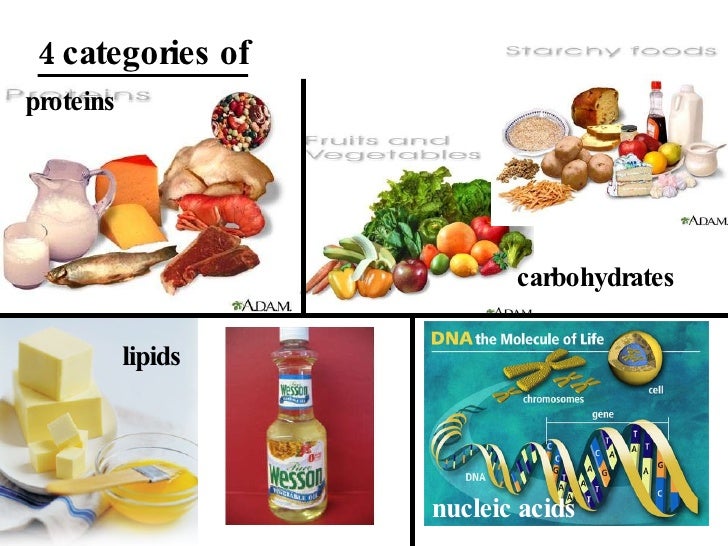
Nucleic acids, the imaginative architects of life, serve as the foundational blueprint for all living organisms. While the scientific community frequently concentrates on the grand and intricate roles these macromolecules play in cellular biology, their presence extends beyond the lab and into the world of gastronomy. Food, in its myriad forms, can be a delightful vessel of nucleic acids, showcasing their exquisite functionality and versatility. This article delves into examples of nucleic acids found in food, presenting them as culinary wonders that deserve our attention.
To begin our journey, let’s explore what nucleic acids actually are. Primarily composed of long chains of nucleotides, these organic molecules exist in two principal forms: DNA and RNA. Considering their omnipresence in living cells, they also make an appearance in various foods we consume. Picture nucleic acids as intricate tapestries woven throughout the fabric of life, waiting to be unveiled upon our palate.
Among the most widely recognized examples of nucleic acids in food is the presence of RNA in every one of the fruits and vegetables we enjoy. From crisp apples to vibrant spinach, plant-based foods teem with ribonucleic acid. The cellular machinery of plants involves RNA in numerous capacities, chief among them being the translation of genetic information into the proteins that sustain plant life. Consuming these fruits and vegetables allows us to engage with plants at a fundamental level, as if we are partaking in the very building blocks of life.
Vegetables like broccoli and asparagus not only provide a plethora of nutrients but are also infused with the legacy of nucleic acids. For instance, consider the humble leafy green, kale. This cruciferous vegetable is renowned for its health benefits, boasting a rich source of vitamins, minerals, and fiber. However, kale’s cytoplasmic biochemistry reveals that each leaf is brimming with RNA molecules, a veritable cascade of nucleic acid that enhances its nutritional profile. When we consume kale, it’s akin to sipping the elixir of vitality crafted by nature itself.
Next, we ascend to the realm of animal products, where nucleic acids play an equally pivotal role. Meat, poultry, fish, and dairy products are splendid sources of both DNA and RNA. Just as the earth yields fruits and vegetables, it also provides us with a bounty of animal proteins that contain these vital nucleic acids. Take, for instance, salmon—the shimmering jewel of the ocean. Each succulent bite not only reveals rich flavors but also an infusion of RNA, encapsulating the essence of its life in the depths of the sea. To dine on salmon is to partake in a sensory experience that embodies the elaborate network of existence.
Moreover, dairy products such as yogurt and cheese hold profound nutritional benefits, where the hidden treasures of nucleic acids lie. Yogurt, famed for its probiotics, also harbors a wealth of RNA that mirrors the beneficial bacteria transforming the milk into a delectably tangy concoction. Imagine each spoonful as a small celebration of life, filled with the microbial wonders and nucleic acids dancing in harmony. In this context, yogurt becomes more than a mere sacrament of nourishment; it evolves into a conduit for biological knowledge, linking us to the organisms that once thrived in its composition.
As we continue our exploration, we find that even grains are not devoid of this remarkable biopolymers. Quinoa, often dubbed a superfood, transforms our understanding of grains by offering both essential protein and a wealth of nucleic acids. With every fluffy grain, we partake in a tapestry of nutrients that include RNA, enriching our cellular function. When we savor quinoa, we experience the vibrant ecosystems sustained by its growth, offering not just sustenance but also a sense of connection to the earth’s generative processes.
Delving deeper into the culinary landscape, we encounter the exotic realm of seaweed, where nucleic acids take on a profound ecological significance. The likes of nori, the edible seaweed often found in sushi, are laden with RNA molecules. This marine marvel not only enriches our diets with minerals and antioxidants but also transports us to the shores where it thrives. Each bite of nori is akin to taking a deep breath of ocean air; it captivates our senses and binds us to the aquatic realm, blurring the boundaries between sea and plate.
In conclusion, the realm of food presents a myriad of nucleic acid examples that intricately interweave with our diets. Whether it be in vibrant fruits and salads, succulent protein sources, or the starch-laden grains and sea vegetables, nucleic acids are omnipresent. Each morsel acts as a testament to the complexity of biological life, the intertwining of genetics and gastronomy. As we nourish our bodies, we also engage in an ancient dialogue with life itself, celebrating the extraordinary science behind each delicious bite.
Ultimately, recognizing the subtle yet profound relationship between nucleic acids and our food enriches our culinary experiences. By acknowledging these complexities, we embark on an invitation to savor not just the flavors but the stories embedded within each dish. In this culinary adventure, nucleic acids emerge as characters in the grand play of life, filling every plate with their unique appeal.













