When it comes to applying for a new job or further education, a well-crafted reference letter can make all the difference. The power of such a document lies in its ability to encapsulate the strengths, skills, and character of the individual being recommended. This article explores various types of reference letters, highlights their essential components, and provides examples that embody best practices.
Types of Reference Letters
Reference letters come in various forms, tailored to specific contexts. The most common include:
- Professional Reference Letters: These letters are often written by supervisors, managers, or colleagues who can attest to the candidate’s work ethic, skills, and contributions within a professional setting. They tend to be more formal and focus on the individual’s job performance, competencies, and overall impact on the team or organization.
- Character Reference Letters: Character references are typically penned by friends, mentors, or community leaders who can speak to an individual’s personal qualities, integrity, and values. These letters are essential for scenarios where moral character plays a significant role, such as volunteering, scholarships, or legal situations.
- Academic Reference Letters: Commonly required for college applications or scholarships, these references are provided by teachers or professors. They evaluate the student’s academic performance, intellectual curiosity, and potential for success in higher education. They may also comment on the student’s extracurricular involvement and personal growth.
- Employer Reference Letters: Often given during a transition period from one job to another, these letters highlight critical achievements and skills acquired during the tenure with that employer. They can serve as a valuable asset, reassuring potential employers of the candidate’s capabilities.
Essential Components of a Reference Letter
An exemplary reference letter comprises several key elements:
- Salutation: The opening greeting sets the tone. It should be addressed to a specific person—if possible—otherwise, a general salutation is acceptable.
- Introduction: An effective introduction not only identifies the relationship between the writer and the candidate but also provides context. It explains how long and in what capacity the writer has known the individual, which establishes credibility right from the start.
- Body Paragraphs: This is where the heart of the reference letter lies. The body should enumerate specific skills, achievements, and personal qualities that make the candidate a suitable choice for the position, school, or opportunity they are pursuing. Rather than resorting to generalities, the writer should provide concrete examples illustrating the candidate’s strengths. Descriptions that evoke imagery can resonate with the reader—demonstrating the individual’s unique attributes in something more than plain text.
- Conclusion: A persuasive conclusion reiterates the writer’s endorsement and provides their contact information, should the recipient wish to ask further questions or seek additional insights.
- Signature: A hand-signed letter adds a personal touch, reinforcing authenticity. In modern settings, a digital signature may suffice.
Sample Professional Reference Letter
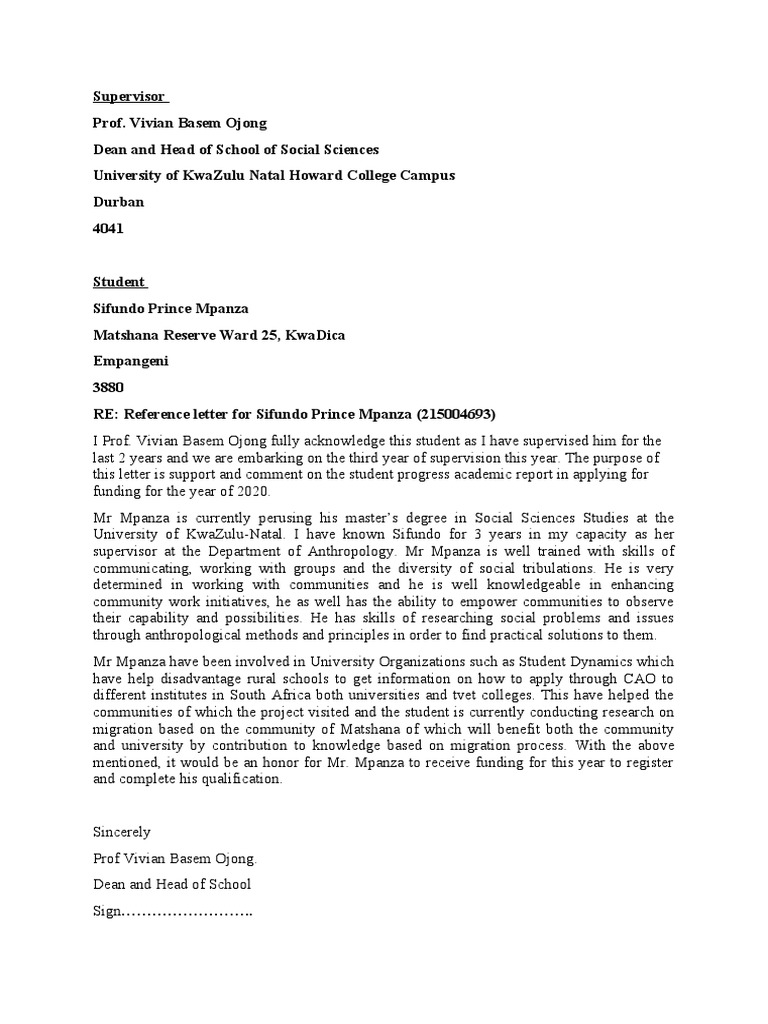
Below is an illustrative example of a professional reference letter:
Dear [Hiring Manager’s Name],
I am pleased to write this reference letter for [Candidate’s Full Name], who has worked under my supervision at [Company Name] for [duration]. I am the [Your Position] at this organization, and during my time working with [Candidate’s Name], I have been consistently impressed by their professionalism and dedication.
[Candidate’s Name] played a crucial role in our [specific project or department] where they demonstrated exemplary skills in [specific skills, e.g., project management, teamwork]. For instance, during our recent initiative on [specific project], they orchestrated a team of employees to explore innovative solutions, resulting in a [specific outcome, e.g., reduction of costs by X% or improvement in client satisfaction]. This anecdote underscores not only their capability but also their enthusiasm for collaboration and problem-solving.
Their ability to adapt to changing conditions is truly remarkable. I recall a particularly challenging moment when [describe a challenge]. [Candidate’s Name] navigated this with poise, rallying the team’s spirits while delivering high-quality results.
In closing, I wholeheartedly recommend [Candidate’s Name] for [the position, program, or opportunity]. Their work ethic, skills, and determination will undoubtedly be an asset to your team. Please feel free to reach out to me via [your email/phone number] should you require further information.
Sincerely,
[Your Full Name]
[Your Position]
[Company Name]
Importance of a Tailored Approach
When crafting a reference letter, personalization is imperative. A generic letter can oftentimes miss the nuances that reveal a candidate’s unique qualities. Tailoring the content to reflect the specifics of the position or opportunity can enhance its impact significantly. Using industry terminology and addressing the potential employer’s values can demonstrate that the writer is both informed and invested in the candidate’s success.
Final Thoughts
A well-composed reference letter serves as a powerful testament to an individual’s abilities and character. Whether you find yourself in a professional, academic, or personal context, understanding the type, structure, and tone appropriate for the letter can ultimately be the catalyst in securing opportunities. Engaging different reference writers, each with unique insights, can create a multifaceted and robust endorsement. After all, a reference letter is not merely a formality—it is a pivotal piece of the puzzle in embarking on new endeavors.