
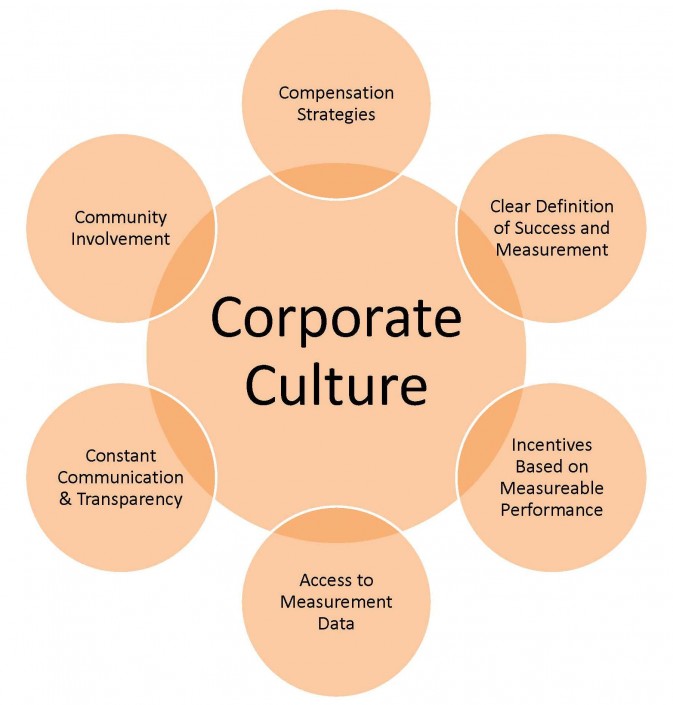
Corporate culture is an intangible yet crucial aspect of any organization that profoundly shapes its identity, performance, and employee engagement. It serves as a compass, guiding the daily actions and decisions of individuals within the company. This article presents a comprehensive examination of various examples of corporate culture within thriving businesses, thereby illustrating the myriad ways in which culture can propel an organization to success.
To begin, one cannot discuss corporate culture without acknowledging the core values that autochthonously define it. These values are often articulated through mission statements, codified in employee handbooks, and reverberated through every level of management. Strong corporate culture fosters a profound sense of belonging, affording employees the opportunity to feel as though they are active participants in a greater mission. For example, companies like Google are renowned for their innovation-driven culture that emphasizes creativity and autonomy. This environment not only encourages employees to think outside the box but also promotes a collaborative spirit where ideas are freely exchanged.
In stark contrast, the corporate culture at companies like Amazon showcases a more intense and performance-driven philosophy. Amazon’s leadership principles, which include “Customer Obsession” and “Deliver Results,” create a high-pressure atmosphere that strives for continual improvement and efficiency. Employees are incentivized to demonstrate grit and perseverance, often to the detriment of work-life balance. While this approach can lead to remarkable outcomes in terms of productivity and customer satisfaction, it raises critical questions about employee well-being and turnover rates in such high-stakes environments.
Next, one must delve into the significance of respect within corporate culture. Respect among team members cultivates an environment where open communication and constructive feedback are prioritized. At companies like Johnson & Johnson, respect is imbued in their corporate ethos. The company’s Credo emphasizes a commitment to all stakeholders, from customers to employees, thereby embedding a culture of respect and accountability throughout the organization. This cultural foundation creates a time-honored loyalty among employees, facilitating collaboration and reducing attrition.
Moreover, the concept of inclusivity is revolutionizing corporate cultures across the globe. Businesses such as Salesforce have placed a premium on creating a diverse and inclusive environment. By actively promoting equal opportunities regardless of gender, ethnicity, or sexual orientation, Salesforce not only enhances its corporate image but also reaps the benefits of diverse perspectives. This variety in viewpoints stimulates creativity and innovation, further strengthening the organization’s competitive edge in the marketplace.
Let’s also explore how transparency is an integral component of effective corporate culture. Companies like Buffer exemplify the power of transparency, operating on a philosophy of openness that extends from financial documents to salary structures. By fostering an environment where information is freely shared, Buffer engenders trust among employees, resulting in a collective commitment to the organization’s goals. This transparency not only arms employees with the knowledge necessary to make informed decisions but also cultivates a poignant sense of ownership and responsibility.
The dynamics of corporate culture can also be seen through the lens of adaptability. In times of change, companies with a flexible corporate culture tend to navigate challenges more adeptly. Consider the case of IBM, which underwent a substantial cultural transformation under new leadership. By prioritizing agility and embracing digital innovation, IBM shifted from a traditional hardware-centric company to a global leader in cloud computing and artificial intelligence. This resilience, rooted in a culture of adaptability, is a brilliant exemplar of how an organization can reinvent itself in the face of evolving market demands.
Additionally, corporate cultures must not be static; they evolve in tandem with societal shifts. Patagonia, an outdoor clothing company with a mission-oriented culture, stands as a paradigm of this evolution. As environmental concerns have gained traction globally, Patagonia has championed sustainability, aligning its corporate identity with activism. This culture of environmental responsibility appeals not only to customers but also to employees who are passionate about preserving the planet, allowing the company to attract and retain talent that is aligned with its values.
Furthermore, leadership plays an indispensable role in shaping and sustaining corporate culture. The leadership style of leaders such as Richard Branson, founder of the Virgin Group, exemplifies this concept. Branson’s charismatic approach, imbuing a playful and adventurous spirit into the workplace, fosters creativity and encourages employees to take calculated risks. This culture of empowerment allows for an atmosphere where innovation flourishes, thus propelling the organization forward.
Finally, measuring corporate culture translates abstract values into tangible results. Assessment tools like employee engagement surveys and net promoter scores (NPS) can yield valuable insights into the cultural health of an organization. Companies that prioritize employee feedback, such as Microsoft, utilize these metrics to glean actionable insights, continually refining their corporate culture to align with employee expectations and market trends. This iterative process not only strengthens the culture but also enhances overall business performance.
In conclusion, the exploration of diverse corporate cultures across various organizations reveals the profound impact these cultures have on business success. From innovation and performance-driven approaches to inclusivity and transparency, the nuances of corporate culture are as varied as the companies that exemplify them. As organizations grapple with an ever-evolving marketplace, understanding and cultivating an effective corporate culture remains pivotal to achieving long-term sustainability and growth. Ultimately, it is this invisible tapestry of shared beliefs and values that binds an organization together, ultimately determining its fate in the competitive landscape.













