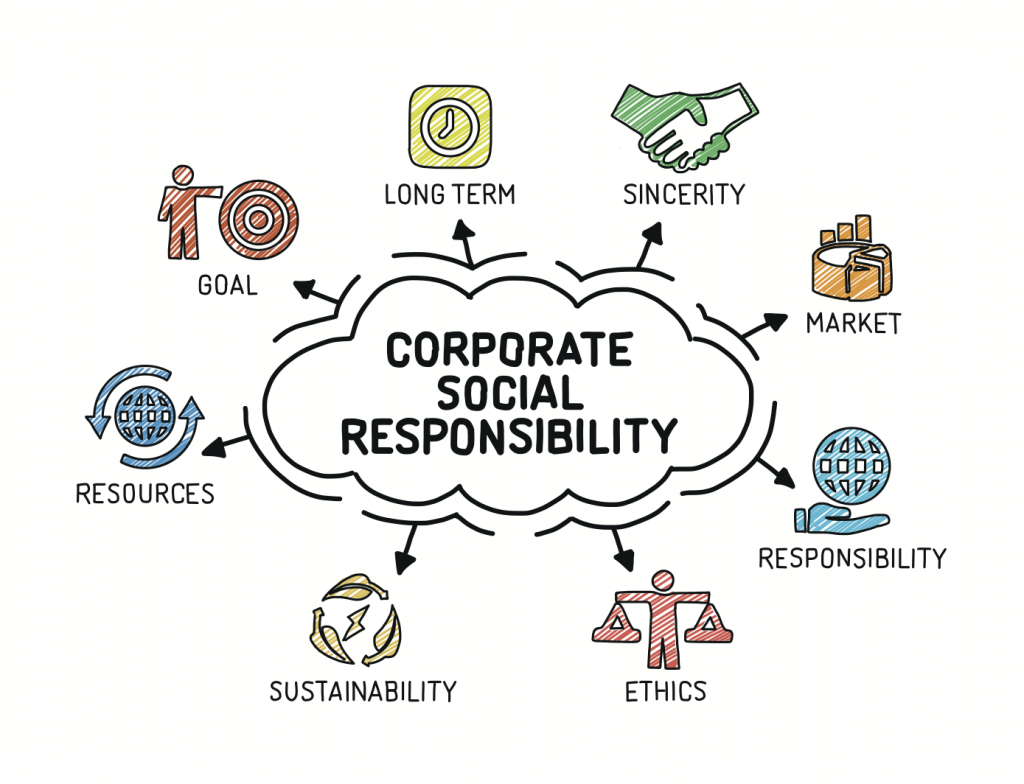
In the ever-evolving landscape of business, Corporate Social Responsibility (CSR) emerges as a beacon of ethical conduct, reshaping how organizations interact with society, the environment, and the economy. At its core, CSR signifies a company’s commitment to operating ethically while contributing positively to the collective well-being. The implications of CSR extend far beyond mere compliance; they tap into profound societal shifts, evoking curiosity and inviting a re-evaluation of traditional corporate paradigms. Below are elaborate examples that illustrate the transformative power of CSR in varied contexts.
1. Sustainable Manufacturing Practices
Consider a manufacturing giant that has pledged to minimize its carbon footprint through the adoption of sustainable practices. This company’s strategy incorporates renewable energy sources, such as solar and wind power, into its operations. By transitioning from fossil fuels, the manufacturer not only reduces emissions but also sets an industry standard for environmental stewardship.
This shift prompts a rethinking of conventional production methods. Instead of prioritizing rapid growth and profit maximization, this organization embraces the notion of sustainable prosperity. The promise of eco-friendly manufacturing practices is a fertile ground for innovation, inspiring other businesses to reconsider their operational frameworks.
2. Community Engagement Initiatives
Envision a corporation that invests in its local community through educational programs and skill development workshops. This company does not merely perceive itself as a profit-driven entity but as a vital community player, contributing to the societal fabric in which it operates. By fostering robust educational initiatives, the corporation empowers individuals, enhancing their potential and contributing to the overall economic development of the region.
This kind of engagement transcends mere philanthropy; it establishes a symbiotic relationship between the organization and the community. The narrative shifts from one of exploitation to empowerment, fostering a climate of mutual respect and collaboration. Organizations capable of engendering such relationships often find that their commitment resonates with consumers, enhancing brand loyalty and trust.
3. Ethical Supply Chain Management
In the globalized economy, the concept of an ethical supply chain is paramount. Picture a retail company that meticulously assesses the conditions under which its products are sourced. This organization imposes stringent standards for labor rights, ensuring fair wages and safe working conditions throughout its supply chain. By prioritizing these ethical considerations, the company not only protects vulnerable populations but also strengthens its reputation as a socially responsible entity.
This realignment challenges the status quo of profit-centric models often predicated on cost-cutting and exploitation. The commitment to ethical supply chain management piques public curiosity, revealing the complexities of global commerce and igniting consumer interest in the origin of products. As awareness rises, so does demand for transparency, compelling companies to rethink their sourcing strategies.
4. Environmental Conservation Efforts
A compelling example of CSR can be seen in companies actively participating in environmental conservation efforts. Take, for instance, a technology firm that dedicates a portion of its profits to reforestation projects. By directly contributing to the restoration of ecosystems, the organization not only offsets its carbon emissions but also fosters biodiversity.
What emerges from such initiatives is a profound sense of accountability towards the planet. The notion of businesses as stewards of the environment invites a paradigm shift, challenging industries to prioritize ecological integrity. Consumers find themselves drawn to brands that champion environmental causes, turning ecological commitment into a competitive advantage.
5. Health and Well-Being Programs
In an age where mental health awareness is gaining momentum, corporations are increasingly implementing health and well-being programs for their employees. Imagine a progressive organization that not only provides health insurance but also offers comprehensive mental health resources, fitness classes, and wellness retreats. This holistic approach to well-being fosters a healthier, more productive workforce.
Such initiatives can redefine workplace dynamics, positioning employee welfare as a foundational aspect of corporate success. The implications extend to organizational culture, where kindness and empathy become operational cornerstones. This enrichment of workplace environments invites a reevaluation of the corporate image, showcasing organizations as champions of human-centric values.
6. Philanthropy and Charitable Giving
Finally, philanthropy remains a cornerstone of CSR, exemplified through foundations established by businesses to support various causes. A multinational corporation that allocates a portion of its revenue to combat climate change showcases an impressive model of CSR in action. These philanthropic endeavors extend beyond fiscal contributions; they involve strategic partnerships with non-profits, resulting in collaborative action towards common goals.
The power of philanthropy lies in its dual effect: it not only benefits the recipients but also enriches the corporate identity. A commitment to social causes reorients public perception, transforming a corporation from a faceless entity into a relatable, humanized organization that resonates with consumers on a personal level.
In conclusion, the diverse examples of Corporate Social Responsibility illustrate a profound shift in how businesses operate within society. Businesses can seize the opportunity to redefine success in broader societal terms, moving beyond profit margins to embrace the rich tapestry of social, environmental, and economic responsibility. Such transformative practices not only enhance corporate reputations but also cultivate consumer trust, creating a win-win scenario for both organizations and the communities they serve. The journey into CSR is an invitation to reshape the future of business, piquing curiosity and inviting all stakeholders to imagine a better world.