When embarking on the journey of academic writing, understanding the nuances of various citation styles is paramount. One such widely accepted format is the Modern Language Association (MLA) style, primarily utilized in the realms of humanities and liberal arts. This article delves into the intricacies of an MLA format paper and elucidates the expectations and components universally esteemed within this format.
The quintessential MLA format is identifiable by its distinct structural guidelines that dictate how writers should organize their thoughts cogently. At the heart of the MLA style lies the emphasis on clarity, coherence, and a meticulous approach to documentation, all aimed at bolstering the reader’s comprehension.
### Title Page and Header
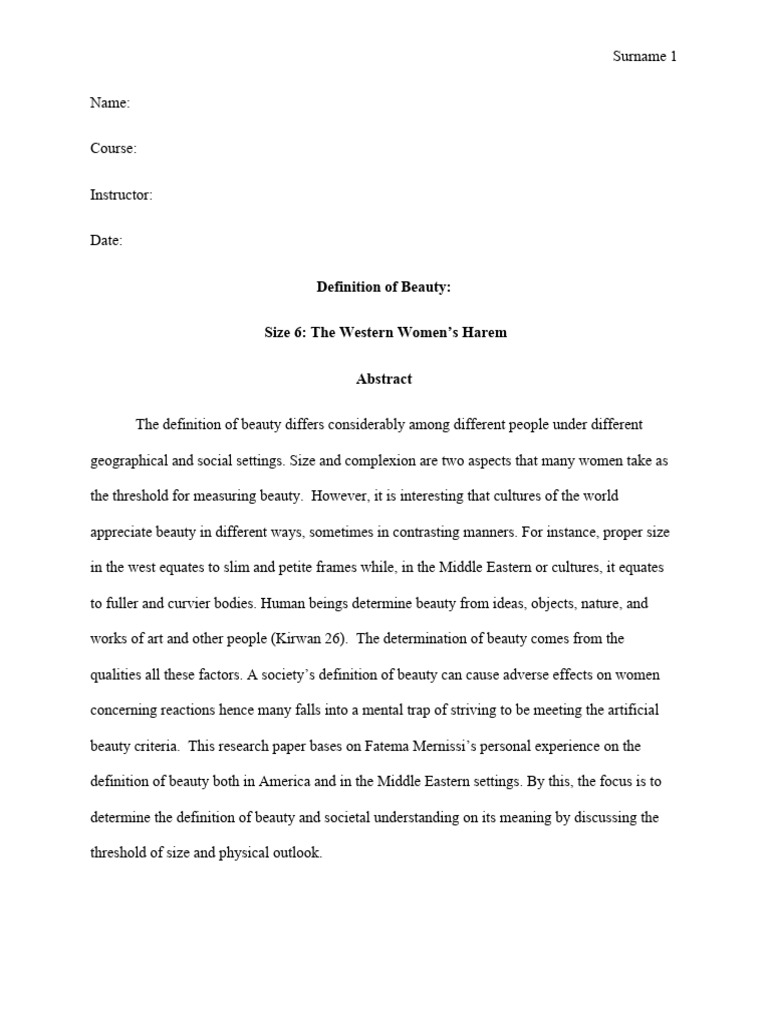
Unlike many other citation styles, MLA does not require a separate title page. Instead, the title of the paper is centered on the first page, directly following a heading that includes the writer’s name, instructor’s name, course, and date. This header should be double-spaced and placed in the upper left-hand corner. Following this, the title, which should be succinct yet reflective of the paper’s thematic essence, is positioned centrally. It is imperative that the title is not bolded, italicized, or underlined.
Additionally, an MLA paper features a header that includes the author’s surname and the page number, typically positioned in the upper right corner of each page. This assures a seamless flow as readers can easily navigate through the document.
### Formatting Guidelines
MLA format prescribes specific guidelines concerning margins, font, and spacing. An MLA paper should strictly adhere to one-inch margins on all sides. The chosen font should be legible, with Times New Roman, size 12, being the standard recommendation. Furthermore, the entire document must be double-spaced, including block quotes and works cited pages, which lends an air of crispness to the text, enhancing readability.
### The Introduction
The introduction is the vital threshold into a scholarly dialogue. It should commence with a compelling hook—a provocative question or a startling statistic—to engage the reader’s interest immediately. This is swiftly followed by contextual background information, guiding the reader towards a thesis statement. The thesis, a concise and argumentative assertion, serves as the compass for the paper, outlining the principal claim that the succeeding paragraphs will substantiate.
### Body Paragraphs
The body of the paper is where the author truly shines, constructing a series of paragraphs that elaborate on the thesis with precision. Each paragraph should commence with a topic sentence that encapsulates the main idea. This initial sentence is crucial as it offers a clear indication of what the paragraph will discuss. Following this, writers should integrate quotes, paraphrases, or summaries from scholarly sources to substantiate their claims, ensuring they are closely connected to the topic of the paragraph.
In MLA format, it is customary to introduce quotations smoothly, ensuring they do not disrupt the flow of sentences. For instance, one might weave a quote seamlessly into a sentence, such as: “According to Smith, ‘the essence of contemporary art is to provoke thought’ (45).” This method exemplifies the elegant synthesis of analysis and evidence.
### Transitions Between Ideas
Transitions are paramount in maintaining the coherence of a paper. Statements such as “furthermore,” “in contrast,” or “consequently” guide the reader smoothly between concepts, avoiding abrupt shifts. The use of transitional phrases serves as a cognitive bridge, ensuring that the reader can follow the author’s reasoning effortlessly.
### The Conclusion
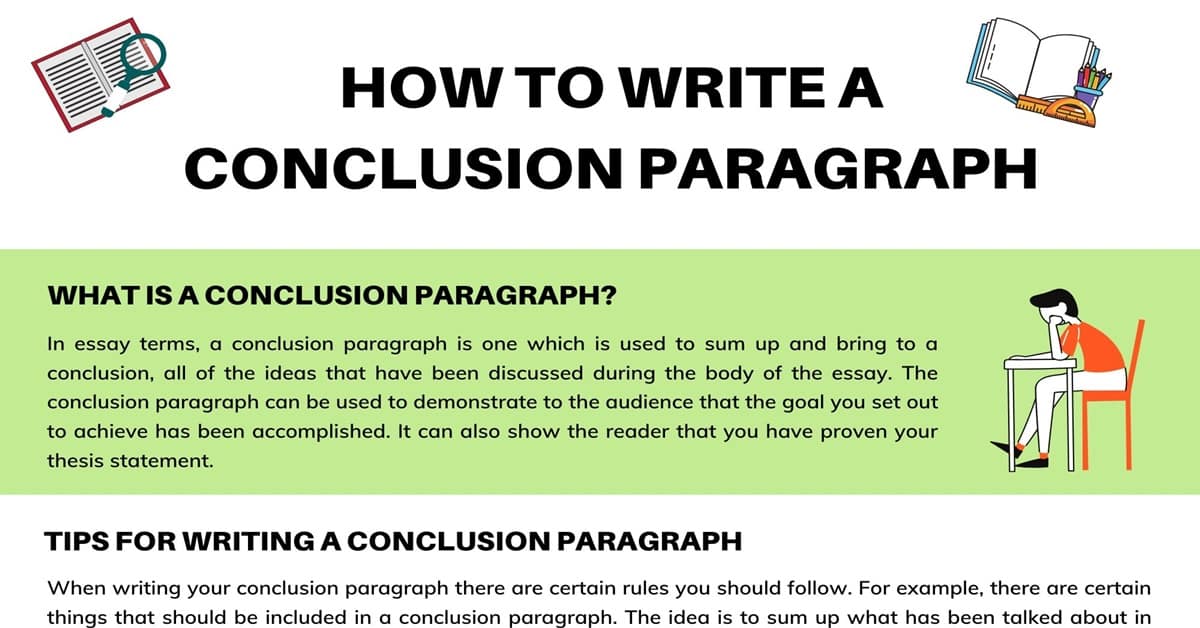
The conclusion is the final opportunity for the writer to leave a lasting impression. It should succinctly recapitulate the main points discussed and reinforce the thesis statement without merely reiterating it. This section can also propose implications of the findings or suggest avenues for future research, thereby inviting further contemplation.
### Works Cited Page
MLA format requires a distinct “Works Cited” page, a comprehensive catalog of all the references cited within the paper. The entries should be alphabetized by the last name of the authors, with a hanging indent format utilized for lines beyond the first line of each citation. This page is fundamental as it allows for verification of sources and demonstrates the author’s diligence in crediting original thinkers.
Each entry in the works cited page must adhere to a meticulous format, incorporating author names, titles, publication details, and, when applicable, URLs or DOI numbers. For example, a book citation might appear as follows:
Smith, John. *The Essence of Contemporary Art*. Art Publishers, 2020.
### Final Thoughts
Crafting an MLA formatted paper is not merely an academic exercise; it is a demonstration of respect for intellectual property and a celebration of scholarly dialogue. The attention to detail in each segment, from the formatting of the title to the nuances of in-text citations, signifies a responsibility towards clarity and organization in academic discourse.
Writing in MLA format may initially seem daunting, yet it ultimately provides a clear framework that supports effective communication. By adhering to these guidelines, writers not only enhance their credibility but also contribute to a sustained legacy of knowledge, inviting readers to engage and explore with vigor.