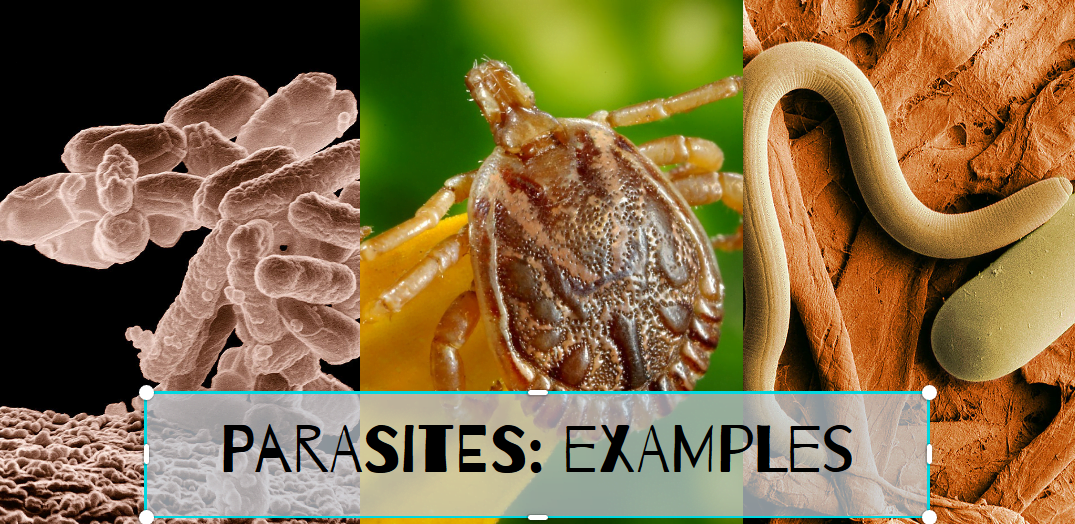
In the intricate tapestry of nature, few relationships are as complex and intriguing as parasitism. This biological phenomenon, where one organism derives sustenance at the expense of another, paints a vivid picture of survival, adaptation, and the relentless pursuit of life itself. To delve into this captivating realm, we will explore the fascinating world of parasitic animals, with a particular focus on the notorious tapeworm.
Imagine a creature so adept at exploiting its host that it can thrive without ever fully integrating into its body. This is the essence of the tapeworm—a prime exemplar of parasitism. Tapeworms are flat, segmented worms that inhabit the intestines of various vertebrates, including humans. They have evolved a range of remarkable adaptations that enable them to draw nourishment from their host while deftly evading the immune response. At the core of their parasitic strategy lies the ability to absorb nutrients directly from the host’s gut, rendering them both efficient and tenacious.
The life cycle of a tapeworm is a symphony of complexity, orchestrating a series of transformations that underscore its adaptability. Initially, a tapeworm begins its journey as an egg, often found in contaminated water or on undercooked meat. Once ingested by a suitable host, the larvae hatch and attach themselves to the intestinal wall, where they can grow into mature adults. As they develop, tapeworms can reach impressive lengths, sometimes exceeding several meters.
One of the most captivating aspects of tapeworms is their unique anatomical features, particularly the scolex—a specialized structure that facilitates attachment to the host’s intestinal lining. This formidable head, adorned with hooks or suckers, enables the tapeworm to anchor itself firmly in place, ensuring that it remains within the nutrient-rich confines of its host’s digestive system. It is this strategic positioning that allows tapeworms to flourish, consuming the very nutrients that the host needs for its own sustenance.
Yet, the parasitic nature of tapeworms extends beyond mere physical dependence. They not only consume the host’s nutrients but also affect its health in myriad ways. Infected hosts often exhibit symptoms such as weight loss, nutrient deficiencies, and gastrointestinal disturbances. The relentless drain on the host’s resources can lead to severe malnutrition, showcasing the profound impact of parasitism on both individual organisms and the broader ecosystem.
Tapeworms have a unique method of reproduction that epitomizes their parasitic lifestyle. Each segment of the tapeworm’s body contains reproductive organs, allowing them to produce eggs en masse. As mature tapeworms grow, they release these eggs in the host’s feces, facilitating the continuous cycle of infection. It’s a cunning strategy, ensuring that the tapeworms can spread their progeny into the environment, where they await a new host to perpetuate their life cycle.
The implications of this parasitic relationship extend beyond the biological realm. Tapeworm infections have been a historical concern for human health. In various cultures, the presence of tapeworms has sparked both fear and fascination, often leading to extreme measures as individuals sought cures or even attempted to harness the tapeworm for weight loss. As absurd as it may seem, the allure of these parasites highlights enduring human curiosity about the intricate balance of life and death, health and disease.
Beyond the potentially deleterious effects of tapeworms, it is essential to recognize that parasitism itself can catalyze ecological stability. The presence of parasitic species like tapeworms can regulate host populations, influencing which species thrive within a particular ecosystem. This dynamic illustrates a profound interconnectedness; each organism, parasitic or otherwise, plays a vital role in maintaining ecological balance.
Furthermore, the study of tapeworms and other parasites opens pathways to advancements in science and medicine. Understanding the mechanisms of parasitism can lead to the development of new treatments and control measures, allowing us to mitigate their impacts on health and agriculture. In a world facing increasing challenges from infectious diseases and food security, tapping into the wisdom embedded in nature’s designs becomes ever more critical.
As we peel back the layers of the tapeworm’s existence, we are compelled to question our perceptions of life itself. Is there beauty in this predatory relationship? Can the tenacity of the tapeworm inspire resilience in our own lives? Parasitism, though initially perceived as a bleak existence—one organism feeding off another—invites a broader perspective. It serves as a reminder of the myriad ways life can adapt and survive in a world where resources are limited. In this sense, the tapeworm stands not merely as a parasite but as a testament to the relentless drive for survival that resonates throughout the animal kingdom.
In conclusion, the remarkable adaptations of tapeworms exemplify the intricacies of parasitism. While they underscore the harsh realities of life at the expense of others, they also reveal the delicate balance of ecosystems and the potential for human ingenuity in overcoming challenges. So the next time you conjure an image of a tapeworm, remember it as a complex organism that invites curiosity, reflection, and a deeper understanding of life’s enigmatic relationships.