When delving into the world of geometry and design, the concept of parallel edges emerges as an illuminating thread woven through the fabric of architectural marvels and digital artistry alike. Consider parallel edges as the steadfast sentinels of structure, standing side by side yet separated by an increasingly transformative distance. Like the harmonized notes of a symphony, they exist in tandem, each playing their role while contributing to a greater whole, captivating both the eye and the mind.
To understand the essence of parallel edges, one must first appreciate their significance in various realms of application. In the iconic world of architecture, consider a towering skyscraper’s façade, where rows of windows march in unison. Each window acts as a canvas, framed by parallel edges that create an aesthetic harmony, compelling viewers to gaze upward in admiration. The meticulous alignment is deliberate, drawing one’s attention to the play of light and shadow, the geometric rhythm that evokes an emotional response.
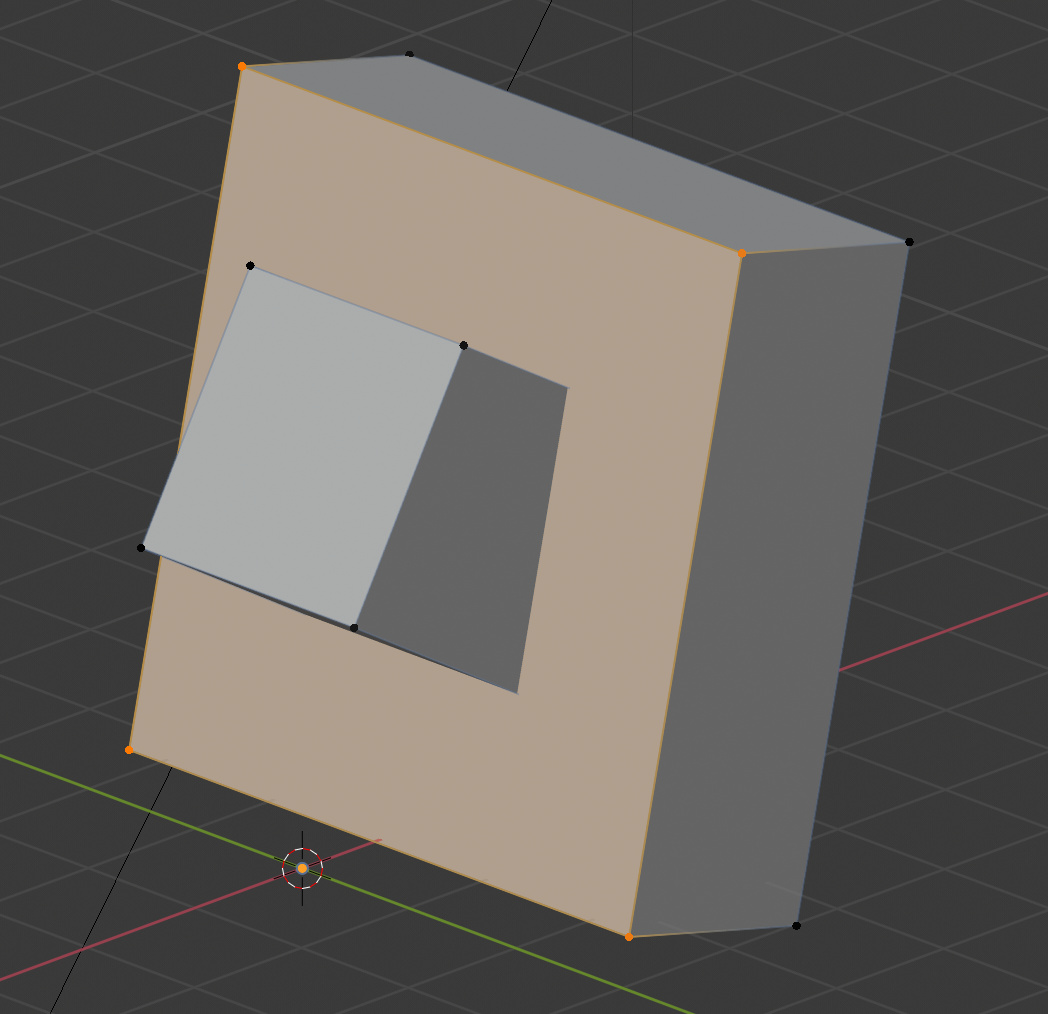
Simultaneously, the parallel edge principle translates seamlessly into the world of digital modeling, particularly in software like Blender. Here, a digital artist can manipulate vertices and edges with finesse, creating an intricate web of forms that extend beyond mere replication of reality. This creative domain flourishes on the ability to define boundaries with precision, thanks to the parallel edges that offer stability and coherence. They become instrumental in sculpting not just tangible structures but also fantastical realms that inhabit the imaginations of audiences worldwide.
Visualize this: a path in a serene park that stretches endlessly, bordered by rows of trees. Each tree, akin to a vertical edge, stands parallel to its companion across the path—an architectural dialogue between nature and design. Even in this organic representation, parallelism emerges as a sanctity of design, echoing the balance of life and creativity. Nature often mirrors the principles of geometry, showcasing a flawless equilibrium that nurtures harmony in its surroundings.
When one contemplates the manifestation of parallel edges in design, the transformation of mundane materials into artistic masterpieces becomes apparent. Take, for example, the meticulous craft of furniture design. A well-designed table may exhibit parallel edges on the tabletop and legs, granting it a modern flair that is simultaneously functional and aesthetically pleasing. These edges draw the eye, forming an internal compass guiding the user toward a centre of gravity, creating a visual anchor in a sea of detail.
Moreover, the allure of parallel edges transcends spatial dimensions. In the realm of two-dimensional graphics, parallel lines can evoke powerful emotions through their mere existence. A simple black line stretched across a white canvas can signify boundaries, barriers, or pathways. Artists leverage this emotional weight, utilizing parallel structures to communicate depth and duality, creating layers of meaning that invite contemplation. Here, the metaphor expands—parallel edges can serve as metaphors for the human experience, representing the balance between conformity and individuality, adventure and safety.
In a broader scope, the exploration of parallel edges leads to an understanding of the principles of symmetry and rhythm. In any creative endeavor, these elements play a crucial role in the engagement of the audience. The dance of harmonious elements often emphasizes a duality that compels individuals to delve deeper into the work presented before them. Consider the petals of a flower, unfolding each parallel to its predecessor, forming an interlaced pattern that signifies beauty and grace within nature’s design ethos.
Take a step back, and the idea of parallel edges crystallizes into a larger canvas known as the blueprint of life itself. In architecture, digital design, or nature, these edges represent consistency, stability, and a reliance on foundational elements that uphold artistic aspirations. It’s as if each parallel edge forms an invisible thread connecting artistic vision with the tangible world, twisting and turning, yet always leading back to a sense of purpose.
The journey through parallel edges also invites one to consider their place in the interplay between chaos and order. When edges converge into a point, the visual tension generates a dynamic balance, while their parallel existence provides grounding and comfort. This relationship is reminiscent of life’s dual nature—the push and pull that defines existence itself. Finding a harmonious equilibrium amidst divergent paths is a recurring theme that resonates deeply with the human experience.
As we traverse through various interpretations and applications of parallel edges, the metaphorical implications become evident. They serve as a reminder that each edge—whether in the realm of design, nature, or life—holds a unique appeal, resonating with grounding yet dynamic qualities. Drawing parallels between disparate fields enhances our understanding of the interconnectivity of ideas, encouraging a holistic approach to creativity and innovation.
Ultimately, the study of parallel edges beckons us to look closer, to observe the subtleties that form the backbone of design and art. They teach us the importance of structure, the elegance of symmetry, and the allure of intention. Like the parallel edges of a well-crafted drawing or architectural wonder, they inspire us to meticulously align our aspirations with reality, forging our own paths in the symphony of existence.