The modern academic landscape is brimming with diverse methodologies and formats tailored to conveying information with utmost clarity and precision. Among these, the American Psychological Association (APA) style stands out as a quintessential format for structuring research papers, particularly in the social sciences. This article delves into the intricacies of an APA paper, presenting a vivid tableau that shifts traditional perspectives on academic writing.
At first glance, an APA paper might appear to be just another stringent academic requirement. However, a closer examination reveals a sophisticated system designed to enhance clarity and consistency, allowing authors to convey complex ideas with lucidity. As we journey through the distinct sections of an APA paper, the framework will not only become apparent but also inspire scholars to embrace its rigor.
Title Page: The First Impression
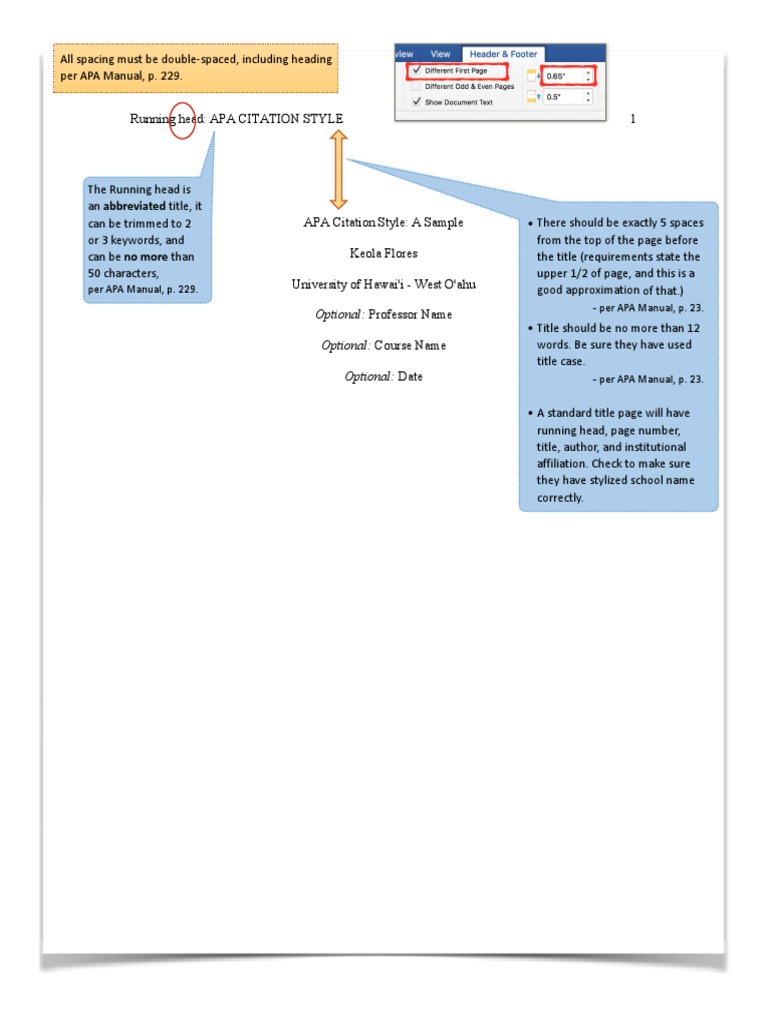
The title page is the gateway to your research, much akin to the cover of a novel. It encapsulates the essence of your work in a succinct manner while adhering to specific formatting rules. Centered on the page, the title should be concise yet descriptive, ensconced in 12-point Times New Roman font. Beneath the title, the author’s name and institutional affiliation follow suit, each element playing a pivotal role in establishing the authenticity of the work.
The title page is not merely functional; it sets the tone for the reader. A well-crafted title can evoke curiosity, inciting a desire to explore the depths of your research. In many ways, it serves as the tour guide for the intellectual journey that lies ahead.
Abstract: A Synopsis of Insights
Serving as a succinct summary, the abstract of an APA paper condenses the research findings and theoretical underpinnings into a paragraph of roughly 150 to 250 words. This section often compels readers to sift through the comprehensive details of your study. It is the elevator pitch for your research; a meticulously crafted abstract can open the door to greater readership and appreciation. Here, key terms evolve into signposts, illuminating the critical themes that define your research.
In crafting the abstract, clarity is paramount. Articulate the purpose of your study, the methodology employed, and the principal findings. Each word counts; thus, being both concise and enlightening transforms the abstract into a compelling narrative that piques curiosity and facilitates comprehension.
Main Body: The Academic Canvas
The main body of the APA paper unfolds in a structured manner, typically beginning with an introduction that contextualizes the research topic within the broader academic discourse. This introduction not only introduces the central thesis but also meticulously outlines the relevance and implications of the research. Transitioning gracefully from a general overview to specific issues captures a reader’s interest, effectively positioning them for the more intricate details that follow.
As the paper progresses, it is vital to adhere to mechanisms of coherence and logical order. Each paragraph should encapsulate a distinct idea, furthering the overarching argument while seamlessly linking to adjacent sections. The use of headers and subheaders aids the reader in navigating through the labyrinth of information presented, fostering an environment conducive to understanding.
Transitions play a crucial role in this section. Words and phrases such as “additionally,” “furthermore,” and “conversely” serve as bridges, encouraging readers to traverse from one idea to another with ease. In essence, utilizing transitions enhances the fluidity of the narrative, engendering a sense of cohesiveness that is quintessential in scholarly work.
Methodology: The Path to Knowledge
In an APA paper, detailing the methodology serves a dual purpose: it validates the research process while serving as a template for replication. Underpinning the validity of your findings is a rigorous, well-described methodology section that outlines everything from participant selection, data collection procedures, instruments utilized, to the analytical strategies employed. This transparency transforms your study into an exemplar of research efficacy, fostering trust among peers and readers alike.
Clarity in this section enables readers to discern the robustness of your research. Empirical studies thrive on replicability; thus, providing an exhaustive methodology fosters academic dialogue and encourages future inquiries.
Results: Revelatory Outcomes
The results section presents the data gathered during the study in a clear and organized manner. Tables, graphs, and figures can be employed to enhance visual comprehension of the findings. Summarizing your data with precision and relevance here is crucial; the findings should be presented without bias, paving the way for an unbiased discussion grounded in the data.
Discussion: Interpreting the Findings
Herein lies an opportunity to transform raw data into profound insights. The discussion section offers a chance to interpret the results within the context of existing literature. What does your research reveal about the topic? How do the findings align or diverge from previous studies? This section of the APA paper invites a reflective analysis, encouraging scholars to navigate the faces of their research questions while addressing limitations and avenues for future research.
References: Honoring the Academic Tradition
The final segment of an APA paper transcends mere citation; it is a testament to the intricate web of scholarly dialogue. Each reference is not only a nod to previous work but an invitation to further exploration. Formatting references according to APA guidelines is imperative—each entry must adhere to specific syntactical rules, ensuring that the authors’ contributions are respectfully acknowledged and easily retrievable by readers.
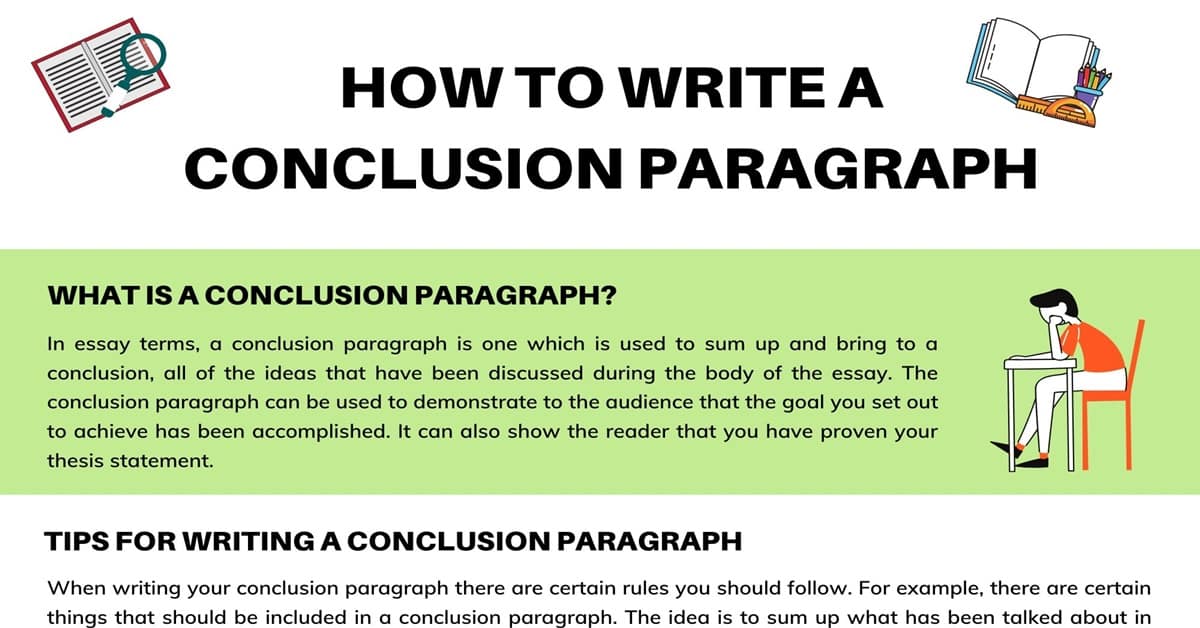
In conclusion, an APA paper is far more than a rigid framework; it embodies the pursuit of knowledge, the engendering of curiosity, and the celebration of intellectual discourse. By meticulously adhering to the prescribed structure and fostering clarity throughout the sections, one not only composes a cogent piece of writing but also engages in the broader academic conversation, transforming perspectives and inspiring future scholarship. Through such a lens, the act of writing becomes an exhilarating journey—one that thrives on curiosity and the quest for understanding.