
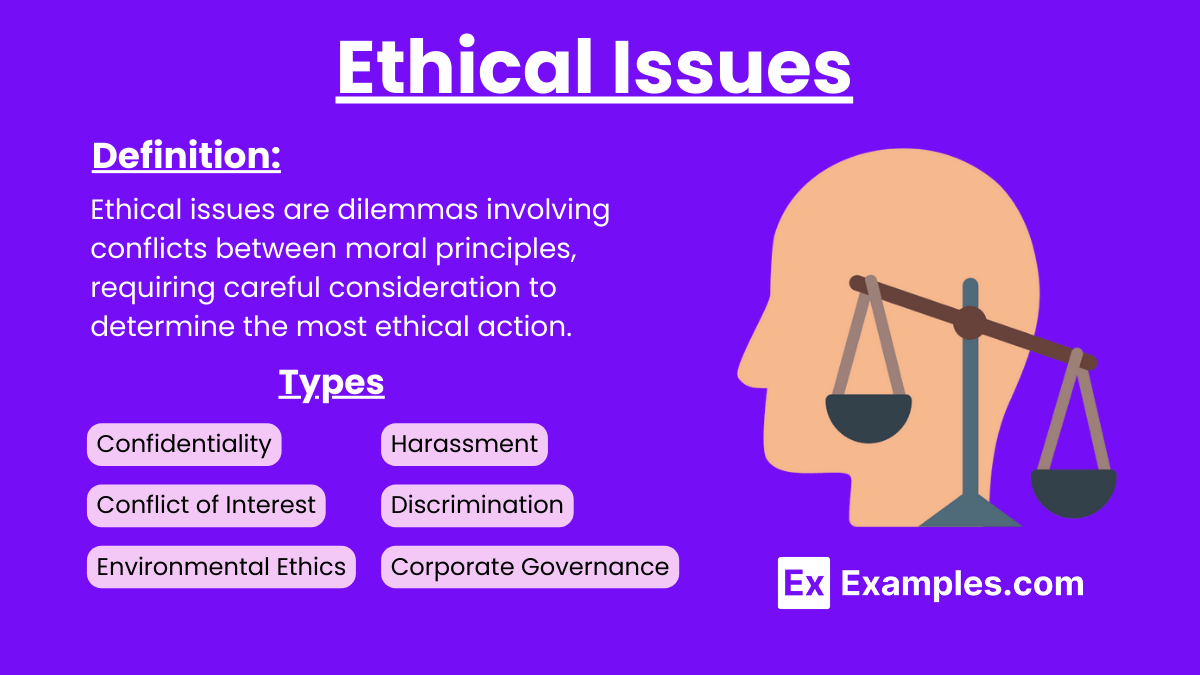
Every day, we wade through a myriad of decisions, some light and inconsequential, others steeped in ethical complexity. An ethical situation—much like a labyrinth—invites us to navigate its many pathways, challenges our moral compass, and reveals the very essence of our character. In exploring these dilemmas, we unearth both the troubling nuances and the profound implications of our choices.
Imagine a medical professional standing at a crossroads, equipped with knowledge and empathy yet burdened by the weight of a moral quandary. This scenario, which bears a striking resemblance to the classical Trolley Problem, captures the essence of ethical dilemmas: a choice must be made that affects lives, with no perfect solution in sight.
Consider, for instance, a surgeon who is confronted with two patients: one is a renowned scientist on the brink of a major breakthrough, while the other is a destitute single parent with young children relying on their survival. The surgeon possesses only one heart to transplant due to a critical organ shortage. In this moment, the surgeon must grapple with profound ethical principles—should they prioritize the potential societal contribution of the scientist, or safeguard the familial legacy of the parent? This scenario epitomizes utilitarianism versus deontological ethics—the former focusing on outcomes, while the latter adheres to the sanctity of life irrespective of its implications.
The tension between these ethical frameworks evokes a poetic image. Picture the heart, an organ not merely of flesh but of potential, now implicated in a game of moral chess. Each choice made is like a pawn moved across a checkered board, a representation of humanity’s fragility and the weight of decision in the face of limited resources.
Let’s delve deeper into this ethical labyrinth by examining the role of corporate investments in environmentally harmful industries. Consider a company that stands at the precipice of expansion. Its trajectory toward profitability lies through an environmentally detrimental enterprise, with the promise of financial gain shimmering like a mirage on the horizon. Yet, as they prepare to leap, the founders must confront the consequences of their actions: the potential desecration of ecosystems, the displacement of local communities, and the long-term ramifications for the planet.
This ethical scenario introduces the concept of corporate social responsibility versus shareholder interests—a juxtaposition of profit versus principle. As stakeholders weigh immediate financial benefits against sustainability and ethical stewardship, an intricate milieu of motivations surfaces. How does one balance the short-term gratification of profit with the enduring necessity of ethical integrity and environmental preservation?
In this instance, visualizing the corporation as a colossal ship navigating treacherous waters articulates the complexity of the decision at hand. Can it alter its course to navigate towards a more sustainable future while still appeasing its investors, or is it fated to sail towards moral bankruptcy amidst glimmering gold? Such ethical inquiries compel us to examine the broader societal implications and the multifaceted responsibility of businesses in a rapidly changing world.
Furthermore, let’s consider the ethical dilemmas encapsulated within the realm of artificial intelligence. With the advent of machine learning and algorithmic decision-making, we encounter situations where algorithms could determine the fate of individuals based on biased data sets. A vivid illustration can be drawn from hiring practices; an algorithm might favor certain demographic profiles unintentionally perpetuating societal inequities.
Here, the ethical question arises: who bears responsibility for the biases embedded within these artificial frameworks? Is it the developers crafting the algorithms, the corporations deploying them, or society at large? This ethical maze poses significant implications for identity, agency, and fairness, shedding light on the often intricate interdependencies between technology and morality.
The image of a puppet master orchestrating a complex performance best embodies this technological challenge. Who pulls the strings, and to what end? As the narrative unfolds, balancing innovation with ethical considerations demands rigorous scrutiny and constant vigilance in the face of our reliance on technology.
On a personal level, ethical situations also permeate the realms of familial obligations, loyalty, and truth. Envision, if you will, a son who discovers a dark family secret—a hidden past that could unravel the very fabric of their familial unity. As he grapples with the decision to reveal this information, a tempest brews within. Will he prioritize familial loyalty or champion honesty? The emotional stakes evolve like a delicate tapestry, woven with strands of love, duty, and the potential for discord.
This situation underscores the fragile interplay of truths that bind individuals, echoing down through generations. The metaphor of a fragile glass vase—elegant yet susceptible to shattering—richly encapsulates the heart of this dilemma. Every choice made can reverberate profoundly through time, impacting relationships in ways that are often irrevocable.
In summation, ethical situations beckon us into the labyrinth of our hearts, where choices echo the reverberations of our values. They challenge our understanding of morality, urging us to confront our principles and prioritize integrity amidst the cacophony of competing interests. Engaging with these moral dilemmas requires not only courage but also clarity of purpose—an unwavering commitment to uncovering what it means to be human in an increasingly complex world.
To navigate the corridors of ethical dilemmas is to embrace the richness of human experience, to recognize that within every painful choice lies an opportunity for growth, understanding, and ultimately—compassion.













