The transaction of purchasing or selling a vehicle is akin to embarking on a new journey, where both parties, the buyer and the seller, traverse the winding paths of ownership and trust. At the nexus of this journey lies a pivotal document: the bill of sale for a car. This seemingly straightforward piece of paper serves not merely as a receipt but as a veritable contract detailing the agreement between two parties. Below, we explore the salient features and benefits of a car bill of sale, illuminating its indispensable role in vehicular dealings.
The Anatomy of a Bill of Sale
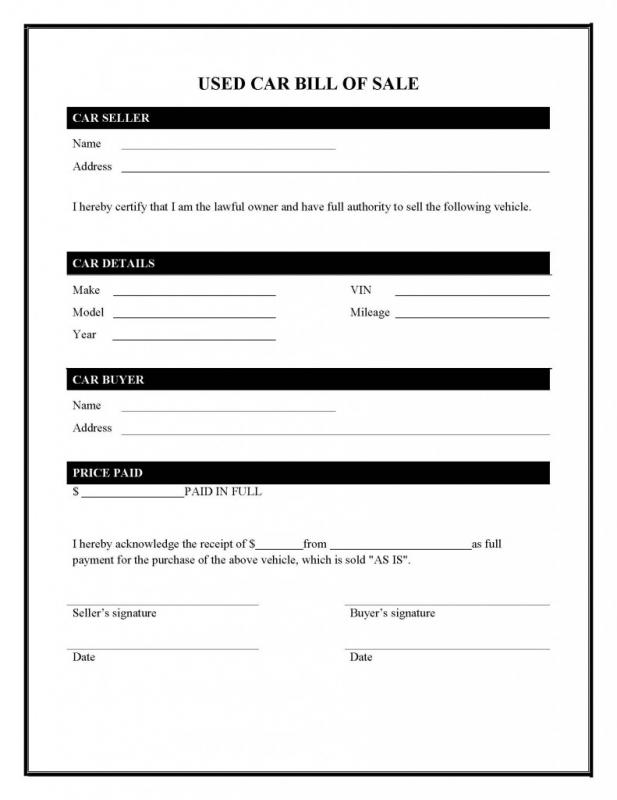
A bill of sale can be likened to a detailed map guiding both buyer and seller on their voyage of ownership transfer. This document encapsulates crucial information, ensuring transparency and safeguarding the rights of all involved. The anatomy of a bill of sale includes:
- Identification of the Parties: The bill must state the full names and contact details of both the buyer and the seller. This section is fundamentally the introduction of two entities entering a crucial pact, echoing the human element in this transaction.
- Vehicle Description: A comprehensive description of the vehicle is vital. This includes the make, model, year, Vehicle Identification Number (VIN), and any distinguishing features. Much like a painter capturing the essence of a landscape, these details provide clarity and precision to the object of desire.
- Purchase Price: This section delineates the agreed-upon price for the vehicle. It serves as the treasure chest that encapsulates the value exchanged in this transaction, a tangible figure signifying trust between parties.
- Date of Sale: The date marks the commencement of a new chapter in the vehicle’s life, transferring its tales and journeys from one owner to another.
- Signatures: The bill of sale is not complete without the autographs of both parties, sealing their agreement like a wax emblem on a medieval letter, affirming their commitment to the terms laid out.
The Role of a Bill of Sale in Vehicle Transactions
A bill of sale holds more significance than merely recording the sale; it serves several essential roles in the landscape of car transactions:
- Legal Protection: This document acts as a fortress shielding both parties from potential disputes. In the event of inconsistencies regarding ownership or payment, the bill of sale stands as a crucial piece of evidence, affirming that the transaction occurred and outlining its specifics.
- Registration Confidence: When registering a vehicle with state authorities, proof of ownership is paramount. The bill of sale is often a prerequisite, ensuring that the new owner can confidently traverse the bureaucratic corridors of the DMV.
- Tax Implications: In many jurisdictions, a bill of sale is a document required for tax purposes. It is a crucial record for both parties, ensuring that the applicable taxes are calculated based on the transaction, thus averting potential legal entanglements.
Crafting a Bill of Sale: An Artful Endeavor
Creating a bill of sale can be seen as a meticulous craft akin to an artisan sculpting a statue from raw stone. To ensure it meets legal standards, several essential elements should be incorporated:
- Use Clear Language: Avoid jargon and complications; clarity is paramount. Each term used should leave no ambiguity, thus preventing misinterpretations in the future.
- Include “As-Is” Clause: Often, vehicles are sold “as-is,” meaning the buyer accepts the car in its current state, with all faults and merits. This clause can shield the seller from future claims regarding the vehicle’s condition.
- Date Formatting: Employ a universally recognized format for the date, ensuring there are no miscommunications regarding when the sale was finalized.
The Unique Appeal of a Bill of Sale
Its uniqueness lies in its power to encapsulate a profound transaction in a fraction of a page, much like a haiku distilling the essence of nature into mere syllables. Beyond its functional importance, a bill of sale symbolizes a rite of passage for many—transforming a mere commodity into a cherished possession. It embodies the dreams of adventure and exploration that come with a new vehicle, paving the way for countless journeys to come.
Closing the Deal
Upon completion of the bill of sale, a psychological barrier dissolves, allowing both parties to embrace their respective new roles: the seller, free from the burdens of the past; and the buyer, cradling the steering wheel of potential adventures ahead. The bill of sale acts as a handshake in written form, a solemn promise that the seller has passed the keys of their journey to someone new.
In conclusion, the example of a bill of sale for a car transcends mere formalities. It represents an intersection of trust, legality, and human connection in the automotive world. Whether you’re selling a cherished family vehicle or acquiring your first car, understanding and utilizing this document is fundamental. It weaves a narrative of exchange, forever enshrining the memory of a moment that signifies more than just a transaction—it’s the commencement of a new odyssey, rich in experiences and destiny. Every vehicle carries stories, and the bill of sale is the first paragraph in that unfolding saga.