In the vast expanse of academic writing, the Chicago Style paper stands as an architectural marvel, akin to a Gothic cathedral glistening in the midday sun. Its strikingly intricate structure accommodates various scholarly pursuits, making it indispensable for historians and social scientists alike. To understand the allure and utility of a Chicago Style paper, one must delve into its essence, exploring the principles, elements, and subtleties that render it unique.
The Chicago Manual of Style, first published in 1906, serves as the cornerstone of this format, providing a meticulously detailed framework for citation and formatting. At the core of its appeal lies the dual citation system: the Notes and Bibliography style, favored by the humanities, and the Author-Date style, preferred by the sciences. Each approach evokes its own rhythm yet converges upon a singular goal — to create clarity and authenticity in scholarly discourse.
To embark on the construction of a Chicago Style paper, one must first consider the *seriousness of purpose*. Finding a compelling topic is akin to selecting the materials for a grand edifice. It requires thoughtful contemplation and a deep understanding of the subject matter. Once the topic is refined, one should craft a thesis statement, the architectural blueprint of the paper. This statement must be concise yet comprehensive, revealing the writer’s stance and guiding the reader through the intellectual journey ahead.
The structure of a Chicago Style paper is both flexible and disciplined. Typically, the introduction serves as the formal entryway, adorned with a captivating hook that draws readers in, much like a mosaic of stained glass that illuminates a cathedral’s nave. This section is followed by the body paragraphs, where each thought and argument is constructed with an unwavering commitment to clarity. Paragraphs should logically flow from one to the next, ensuring a cohesive narrative that keeps readers engaged.
When it comes to citations, one cannot overlook their significance. Chicago Style’s system of footnotes and endnotes is its hallmark, allowing writers to interweave references into the fabric of their arguments. A footnote appears at the bottom of the page, offering grace notes to the main text. It invites readers to discover the provenance of an idea without interrupting the symphony of thought being presented. The bibliography then serves as the grand compendium, a carefully curated collection of sources that reaffirms the intellectual foundation upon which the paper rests. Each entry, formatted with precision, highlights the rigorous scholarship that underscores the work.
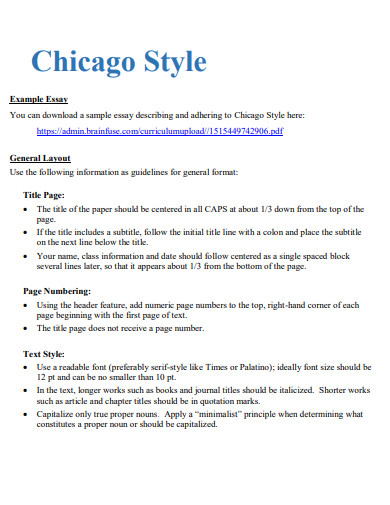
The consistent formatting of a Chicago Style paper enhances its readability. The standard recommendation is to use a legible 12-point font, double-spacing throughout, and one-inch margins. These guidelines ensure that the text breathes, allowing readers to navigate the arguments without feeling like they’re traversing a cluttered market. Moreover, headings and subheadings should be employed judiciously, serving as guideposts that direct the reader through the labyrinthine passages of the narrative.
As one works through the body of the paper, the careful integration of quotes and paraphrases is crucial. In the Chicago Style, quotation marks cradle direct quotes, while paraphrased sections carry the weight of their original ideas without directly lifting them. This delicate dance separates the writer’s voice from that of others, maintaining a harmonious blend of originality and scholarly integrity. Therefore, the reader can luxuriate in the richness of sources while understanding the writer’s perspective.
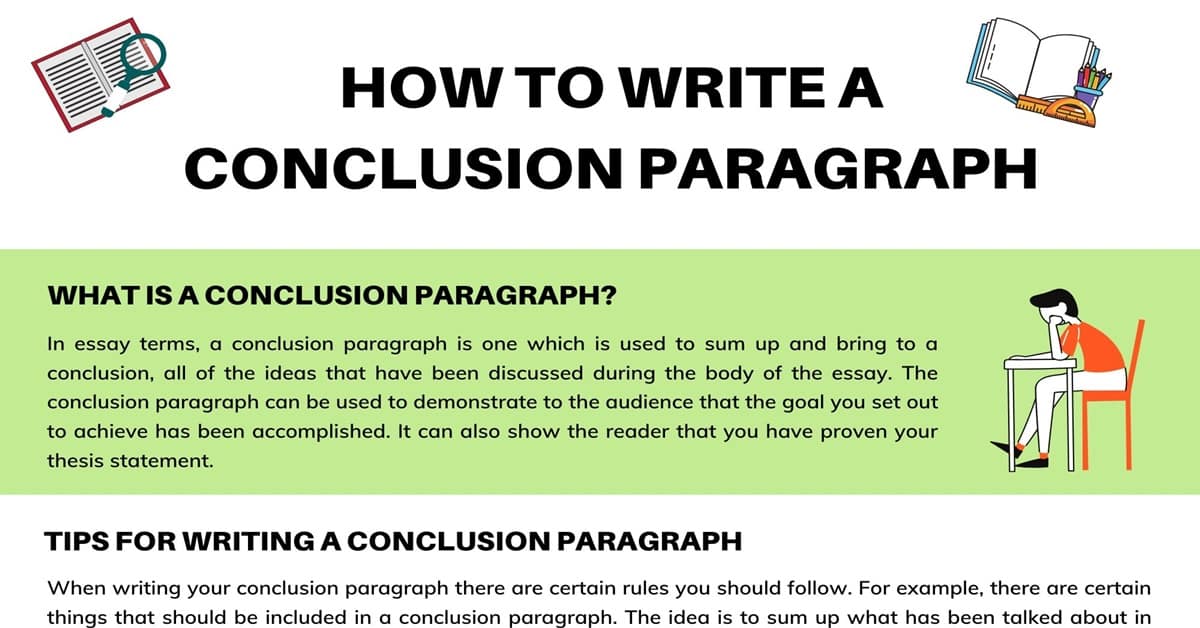
Just as the finishing touches on a cathedral can make or break its grandeur, the conclusion of a Chicago Style paper deserves meticulous attention. It should not merely restate the thesis or summarize the arguments. Instead, it offers a reflective overview, connecting the dots of the scholarly journey. Here, the writer can evoke a sense of resolution, impressing upon the reader the broader implications of their findings. This final flourish ensures that the paper resonates long after the reader has turned the last page.
Formatting citations, while often perceived as a tedious task akin to chiseling granite, becomes a powerful act of scholarly homage. In Chicago Style, meticulous details matter; each comma, period, and italicized title serves a purpose. Indeed, this stylistic convention embodies an ethos of respect for the academic community. When writers meticulously adhere to these conventions, they erect not only a paper but a tribute to the shared pursuit of knowledge.
In summary, a Chicago Style paper exemplifies the union of aesthetic beauty and intellectual rigor. It invites writers and readers alike to partake in a tradition steeped in scholarship, emphasizing the importance of precision and clarity. Just as a well-crafted building evokes awe, a Chicago Style paper captivates its audience, guiding them through a carefully curated exploration of ideas. With every citation, every carefully constructed paragraph, it constructs a bridge between the past and present, ensuring that knowledge continues to flow and evolve — much like the enduring majesty of the cathedrals that inspire its form.
In the journey of academia, the Chicago Style paper remains a steadfast companion, bedecked with elegance and fortified with meticulous regard for the source material. To wield this format with proficiency is to embrace a legacy that not only honors prior scholarship but also contributes to the ongoing narrative of human inquiry.