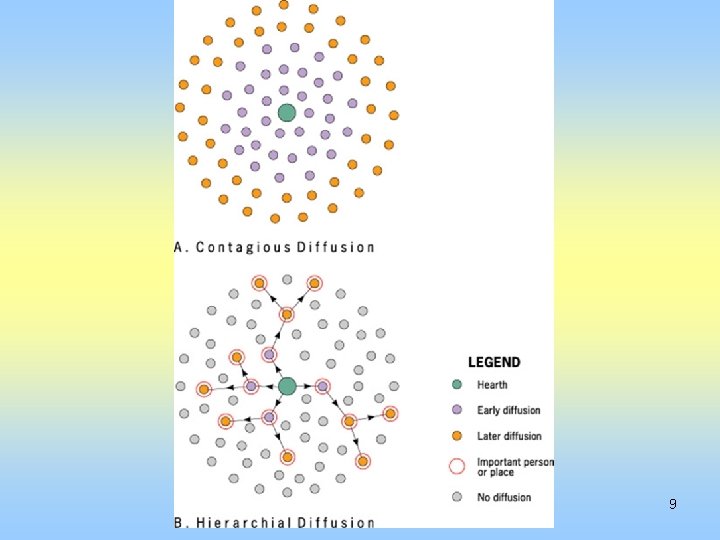
Culture is an intricate tapestry woven from threads of shared experiences, values, and traditions. It constantly evolves and transforms through processes such as diffusion—where cultural elements spread from one society to another. This phenomenon can be observed throughout history and in everyday life, presenting fascinating insights into how societies intersect and influence one another. In this exploration, we will delve into various aspects of cultural diffusion, presenting vivid examples that encapsulate its significance.
Understanding Cultural Diffusion
At its core, cultural diffusion refers to the way ideas, technologies, and practices are transmitted between groups of people. This exchange often leads to the adoption of cultural traits, resulting in hybridization or the emergence of entirely new cultural expressions. Anthropologists and sociologists have long studied this topic, noting the ways in which diffusion occurs—whether through trade, conquest, migration, or even globalization. Each mode brings unique influences and implications that can transform cultures.
Historic Examples of Cultural Diffusion
One of the most prominent examples of cultural diffusion can be traced back to the Silk Road, an ancient trade route that connected East and West. Goods were exchanged, but so too were ideas and beliefs. For instance, the introduction of Buddhism from India into China illustrates how spiritual philosophies can travel significant distances, altering spiritual landscapes in the process. This exchange forged new pathways for thought and significantly influenced the cultural fabric of Asia.
Similarly, the Age of Exploration in the 15th and 16th centuries witnessed profound cultural diffusion. European explorers inadvertently transported crops, animals, and even diseases across continents, a phenomenon famously encapsulated in the Columbian Exchange. The introduction of crops like potatoes and tomatoes to Europe fundamentally altered culinary practices and agrarian systems on that continent, forging new social identities through food.
Language as a Vessel of Diffusion
Language exemplifies another significant aspect of cultural diffusion. The English language has become a global lingua franca, amalgamating vocabulary and idioms from countless cultures. This linguistic adaptation showcases how words can transcend borders, often morphing in pronunciation and meaning. Concepts such as “karaoke” (Japanese) and “sushi” have become commonplace in English-speaking societies, demonstrating how language can act as a conduit for cultural notions. As people migrate and intercultural communication expands, language continues to evolve, creating a rich tapestry of vernacular and dialect.
Contemporary Examples of Cultural Diffusion
In today’s interconnected world, the spread of technology represents another powerful form of cultural diffusion. The proliferation of social media platforms, such as Instagram and TikTok, facilitates the sharing of cultural expressions—fashion trends, music, and even lifestyle choices. A simple dance move or culinary hack can gain viral status, transcending geographical boundaries in mere hours. This rapid exchange cultivates global awareness and appreciation for diverse cultures.
Moreover, contemporary culinary fusion stands as a testament to the beauty of cultural diffusion. Restaurants around the world blend flavors and techniques from various cuisines, resulting in dishes that celebrate global culinary artistry. Think of Korean tacos or sushi burritos: these gastronomic wonders highlight how traditional food can adapt, giving rise to innovative offerings that reflect a multicultural society.
The Role of Art in Cultural Diffusion
Art, too, serves as a potent vehicle for cultural diffusion. The works of artists can transcend local boundaries, highlighting universal themes and emotions. The infusion of African aesthetic elements into European modernist art movements exemplifies this phenomenon. Artists such as Pablo Picasso drew inspiration from African masks and sculptures, creating groundbreaking pieces that challenged conventional norms. This cross-pollination of artistic inspiration enriches global art culture and reflects the complexities of identity and influence.
Challenges and Critiques of Cultural Diffusion
Although cultural diffusion offers manifold benefits, it is not without challenges. The concept of cultural appropriation often arises in discussions surrounding diffusion. This term refers to the adoption of elements from one culture by members of another, particularly when the dominant culture co-opts aspects of a marginalized culture without understanding or respecting its context. This nuance raises ethical questions about representation and ownership in cultural exchanges.
Furthermore, the dilution of cultural identity can occur when dominant cultures overshadow local practices. As globalization advances, smaller cultures may grapple with maintaining their unique traditions amidst a cacophony of external influences. It is essential to approach cultural diffusion with sensitivity, recognizing the power dynamics at play and valuing the voices of those whose cultures are being represented.
The Future of Cultural Diffusion
As we gaze into the future, cultural diffusion will undoubtedly continue to shape our societies. The ongoing digital revolution stands poised to facilitate new forms of cultural exchange, allowing individuals and communities to connect and share experiences in unprecedented ways. Virtual reality and augmented reality may further bridge cultural divides, offering immersive insights into the lives of others.
Cultural diffusion reminds us that we are all part of a larger human narrative—one characterized by interconnectedness and shared experiences. As we navigate this complexity, the appreciation of cultural diversity remains paramount. Understanding the dynamics of diffusion encourages empathy and fosters a sense of unity among disparate groups, ultimately enriching our global human experience.
In essence, the exploration of cultural diffusion unveils a rich landscape of interactions that resonate deeply within us. It reflects the beautiful mosaic of humanity—one where the exchange of ideas, beliefs, and practices continues to inspire and transform, driving society toward greater understanding and innovation.