Energy is the silent architect of our universe, orchestrating transformations that drive the wheels of existence. Among its myriad forms, mechanical energy and thermal energy stand as protagonists in the grand narrative of physics. To understand the elegant dance between these two types, one is compelled to explore the fascinating realm where mechanical energy metamorphoses into thermal energy—a conversion that captivates the scientific imagination.
Imagine a grand clockwork, a fusion of springs and gears, tirelessly measuring the passage of time. Within this intricate mechanism lies mechanical energy, a manifestation of motion and position. The gears, like performers on an elaborate stage, exert force, their rotational energy orchestrating an elegant ballet. Yet, as they twirl and turn, an unnoticed metamorphosis unfolds; friction—the ever-present adversary—ensures that not all mechanical energy is preserved in its original form. Instead, some of it surrenders, relinquishing its vigor to transform into thermal energy, a phenomenon that links productivity with the inevitable consequence of heat.
Consider the ubiquitous act of braking a bicycle. As the cyclist applies the brakes, the wheels gradually slow down, an act that seemingly defies the laws of motion. Here, kinetic energy, a subset of mechanical energy, dances a reluctant waltz into the domain of thermal energy. The brake pads grip the wheel, and in that embrace, resistance arises. Friction acts as a catalyst, generating heat that emanates from the surfaces of the pads and discs. This heat, often unobserved, whispers tales of the energy lost to the ether, the very vitality that once propelled the bike forward. The once-vibrant kinetic energy diminishes, transformed into warmth that radiates from the brakes, often leaving the rider with a lingering sense of both urgency and accomplishment.
Going beyond bicycles, vehicular brakes have an even larger canvas to illustrate this transformation. The braking systems in cars and trucks are marvels of engineering, designed to manage vast amounts of kinetic energy. High-speed road travel results in substantial mechanical energy, and when brakes are engaged, a profound exchange occurs. The energy absorbed by the brake pads not only brings the vehicle to a halt but also manifests as heat, sometimes reaching temperatures high enough to cause smoke or even ignite flames. This fact underscores the necessity for engineers to strike a delicate balance between performance and safety—an eternal consideration when mechanical energy takes its final bow in the transformation to thermal energy.
Yet, this transformation is not limited to merely mechanical systems; it resonates across the industrial landscape. In manufacturing environments, machinery constantly converts energy through varied methods of operation. For instance, metalworking lathes or milling machines harness high-speed rotary motion to sculpt materials with precision. The friction between the tool and the workpiece is exhilarating, as the mechanical energy employed to shape the metal inevitably converts to heat. The result is often a scorching temperature that necessitates the use of cooling fluids to maintain the integrity of both the tool and the material. Here, the interplay of mechanical and thermal energy is both a reminder of physical limits and a testament to human ingenuity.
The artistry of energy transformation extends into the natural world as well. Nature employs this phenomenon with elegance and efficiency. Take the fall of a waterfall: as water cascades from a great height, it possesses gravitational potential energy, merely waiting to be unveiled. As it plunges, this potential energy transitions into kinetic energy, accelerating towards the pool below. Upon impact, some energy is converted to thermal energy through turbulence and splashing, warming the river slightly, creating local microenvironments teeming with life. This beautiful interplay exemplifies how even nature harnesses mechanical energy, transforming it and delivering warmth through thermal energy.
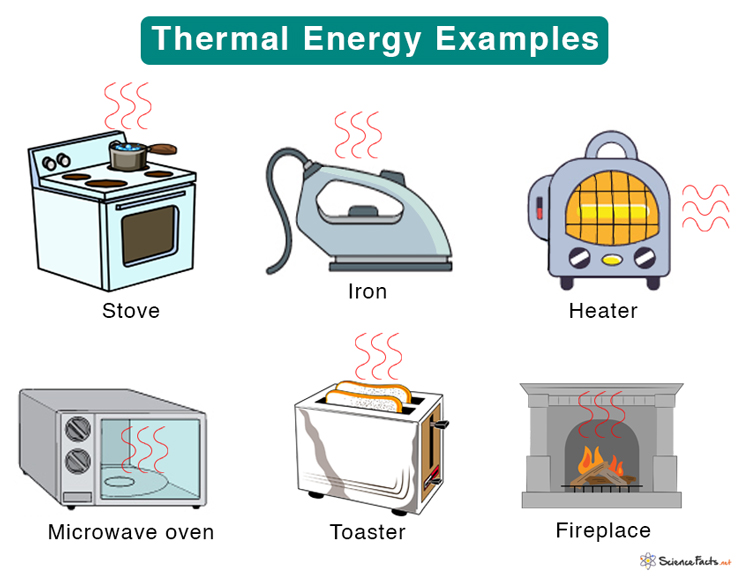
In the kitchen, the humble act of cooking embodies the principles of energy transformation beautifully. A stovetop burner transfers mechanical energy into thermal energy through the friction and resistance present in the heating element. When a pot of cold water sets upon this flickering flame, the thermal energy from the burner permeates the vessel, exciting the water molecules into frenetic motion—a simple yet extraordinary exhibition of energy at work. This transformation is not merely scientific; it is culinary alchemy, allowing sustenance from our surroundings to be crafted into warm, nourishing meals. The initial mechanical energy morphs into a symphony of heat, scent, and flavor—a testimony to energy’s undying metamorphosis.
This phenomenon is not without its implications. In the quest for sustainability, understanding the inefficiencies that arise when mechanical energy is transformed into thermal energy holds significant importance. Industries are increasingly tasked with developing systems that minimize energy loss through heat generation, thus seeking innovative solutions such as regenerative braking systems in electric vehicles or advanced machining technologies that decrease thermal waste. This forward-thinking approach exemplifies how the interplay between mechanical and thermal energy can inspire the next generation of eco-friendly technology.
In conclusion, the intricate relationship between mechanical energy and thermal energy transcends the mere boundaries of physics; it is a metaphor for change, progress, and the inevitable surrender of energy from one form to another. From the grinding brakes of a bicycle to the tumbling waterfalls of nature, the world is rife with examples where mechanical energy succumbs to thermal energy, generating warmth and life along the way. Embracing this duality not only captivates the mind but also invites a profound appreciation for the intricate systems that govern our interactions with energy. Herein lies the mystery and beauty—an eternal dance between the two that enriches the very fabric of existence.