In the contemporary landscape of project management, professionals are constantly inundated with the challenge of orchestrating numerous components that converge to achieve a singular objective. A project, by its very definition, is a temporary endeavor aimed at creating a unique product, service, or result. As such, understanding the various examples of projects can not only illuminate the intricacies of project management but also enhance one’s ability to devise successful outcomes across diverse sectors.
In this comprehensive discourse, we delve into various examples of projects, categorizing them according to industry, scale, and methodology. By examining these distinct manifestations of project management, stakeholders can glean insights applicable to their own initiatives.
1. Construction Projects
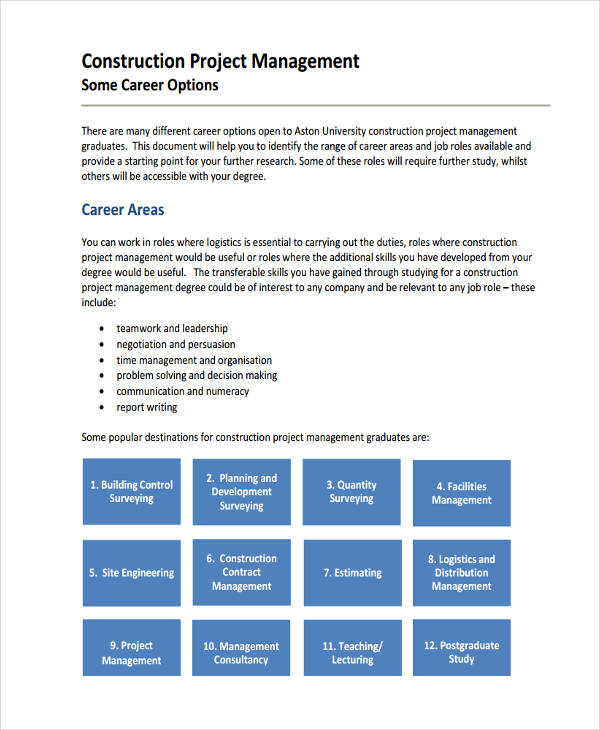
The construction industry epitomizes the application of project management principles, given its multifaceted nature that often integrates multiple vendors, subcontractors, and schedules. One prime example is the development of a residential housing complex. Such projects require an array of tasks, including site preparation, obtaining permits, and coordinating various trades such as electrical, plumbing, and carpentry work.
Moreover, the use of project management tools like Gantt charts and critical path analysis can significantly enhance efficiency by outlining timelines and identifying potential bottlenecks. A construction project manager must balance aspects like budget constraints and safety regulations, which heighten the challenge of effective management. Large-scale endeavors, such as the construction of skyscrapers or bridges, further complicate the scope and scale of oversight which necessitates an even greater adherence to project management methodologies.
2. IT Projects
Technology projects represent another fascinating realm of project management. A quintessential example is the implementation of an enterprise resource planning (ERP) system within an organization. This process can take months or even years and involves migrating data, training staff, and aligning business processes with new software capabilities.
Leading such a project requires astute attention to change management practices, as employees may resist alterations to their established workflows. An agile project management approach is often employed here, emphasizing iterative progress and flexible responses to change. Regular sprints and scrum meetings can facilitate communication among team members while keeping stakeholders informed of developments and any arising impediments.
3. Marketing Campaigns
In the domain of marketing, project management is indispensable for the successful launch of a promotional campaign. For instance, launching a new product often necessitates synchronized effort across different marketing channels, including social media, print, and television advertising. A marketing project manager must craft a strategic plan that aligns with the overall brand vision and leverages market research.
Engaging the target audience through storytelling and innovative content delivery can be a vital component of such a project. This calls for thorough examination and analytics to evaluate engagement metrics and return on investment (ROI). Incorporating project management principles aids in delineating tasks, clarifying team roles, and ensuring timely execution of the marketing initiative.
4. Research and Development Projects
Research and development (R&D) projects play a critical role in innovation across several sectors, including pharmaceuticals, technology, and engineering. A pertinent example is the development of a new medication, which involves extensive clinical trials encompassing ideation, experimentation, and evaluation phases.
The project manager in this context must navigate regulatory compliance challenges, manage interdisciplinary teams, and orchestrate timelines meticulously. Employing methodologies like stage-gate processes is common in R&D projects, where each phase must meet specific criteria before proceeding to the next. This structured approach minimizes risk, maximizes resource allocation, and ultimately enhances the potential for successful outcomes.
5. Event Planning Projects
Event planning typifies another domain where project management principles are paramount. Consider organizing a large corporate conference, which entails meticulous planning and coordination of logistics, speakers, venues, and materials. The planner must be adept at managing timelines while ensuring that all elements harmonize, from audiovisual requirements to catering services.
Utilizing project management software can assist in the delegation of tasks and monitoring of progress, thereby ensuring smooth execution of the event. Flexibility is intrinsic to the role of an event planner, as they must adeptly solve unforeseen challenges and adapt plans on-the-fly. An effectively managed event can substantially enhance a company’s brand image and stakeholder relations.
6. Environmental Projects
In the sphere of sustainability, environmental projects are increasingly significant as societies confront the ramifications of climate change. A relevant example is the development of a renewable energy facility, such as a solar farm or wind turbine installation. These projects often necessitate extensive planning to assess environmental impact, community engagement, and regulatory adherence.
Successful project management in this field encompasses collaboration with government agencies, stakeholders, and local communities. Challenges may include evaluating funding sources and managing public relations to garner support. Furthermore, these projects must be adapted to comply with evolving environmental regulations, which requires an agile project management approach.
Conclusion
Through a careful exploration of various project types across diverse industries, it becomes evident that the foundations of project management are universally applicable, regardless of the challenge at hand. Each example delineates the necessity for structured methodologies, teamwork, and adaptability in navigating the complexities inherent in project execution.
Ultimately, by delving into these examples, aspiring project managers can refine their skills and enhance their ability to drive successful outcomes across their respective fields. Whether dealing with construction projects, IT transformations, or innovative marketing campaigns, the core principles of project management emerge as indispensable tools in achieving desired objectives.