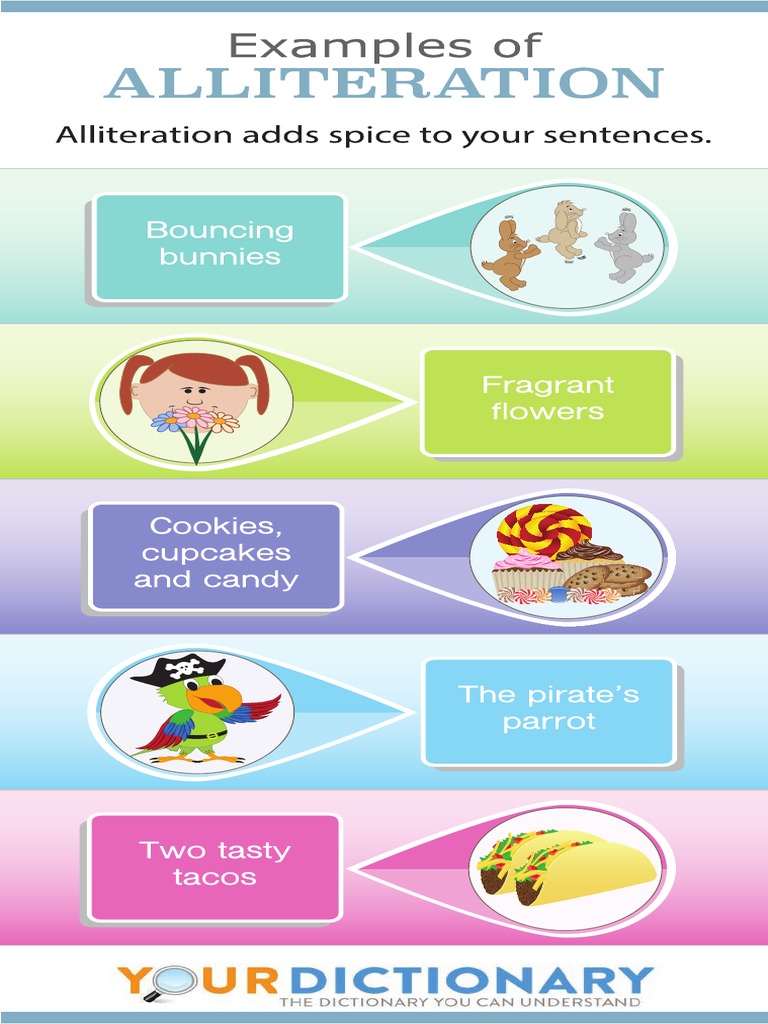
Alliteration, a poetic device that has enchanted writers and speakers throughout history, is the repetition of consonant sounds at the beginning of words within a phrase or sentence. This linguistic flourish enhances the auditory appeal of language, often evoking emotions and images that resonate deeply with the audience. Understanding alliteration isn’t merely an exploration of phonetics; it invites us to appreciate the beauty and artistry of words, urging us to think differently about the language we encounter daily.
To fully grasp the allure of alliteration, one must first appreciate its ubiquitous nature. You can find alliterative phrases lurking in the realms of poetry, tongue twisters, advertising slogans, and even song lyrics. It works subtly, drawing attention to particular phrases while embedding them within the listener’s memory. Such devices can lead to a revelation, illuminating how sound impacts meaning in our communication.
Consider classic examples such as “Peter Piper picked a peck of pickled peppers.” This unforgettable phrase does more than amuse. It challenges the speaker’s dexterity while tantalizing the ear with phonetic harmony. The fluidity of sound created through alliteration transforms the mundane activity of “picking peppers” into something rhythmic and enchanting, evoking a vibrant backdrop against which the simple action plays out.
Such engaging phrases entice curiosity and provoke a shift in perspective. The allure of alliteration extends beyond mere wordplay; it can be a critical device in crafting narratives that captivate collections of events or emotions. For instance, in literature, it serves to deepen themes or augment characterizations. Consider C. S. Lewis’s phrase “the cunning, crafty fox.” The repetition of the ‘c’ sound enriches the depiction of the fox, emphasizing its sly and deceitful nature, thereby inviting the reader to engage with the character on a visceral level.
Advertising, too, has been captivated by the enchanting quality of alliteration. Catchy slogans, like “Have a break, have a Kit Kat,” effectively float into the collective consciousness, their rhythmic appeal making them memorable. Here, alliteration operates as a powerful marketing tool, enhancing brand recall and creating an emotional connection with consumers. It assures potential customers that the experience of enjoying a particular product will be enjoyable—an inviting promise to complement the catchy ethos of the brand.
In the realm of music, songwriters frequently utilize alliteration to craft lyrics that resonate. Take, for example, the phrase “She sells sea shells by the sea shore.” The sonic quality of this line transcends its literal meaning, evoking an imagery-soaked environment—a beach teeming with vibrant life. The rolling rhythm of “s” sounds creates an auditory scene, appealing to our senses and enhancing the narrative’s imagery as it unfolds in the listener’s mind.
Furthermore, alliteration harbors a capacity to evoke emotional responses that linger long after the words have been spoken or written. In speeches and public addresses, leaders integrating alliterative frameworks tend to make their messages more memorable, facilitating a greater impact on their audiences. For instance, Martin Luther King Jr.’s “I have a dream” speech incorporates alliteration perfectly; the repetition aids in emphasizing key themes of hope and transformation. This layering of sounds heightens the profundity of his message and actively engages those listening.
As with any literary device, context plays a crucial role in how alliteration is perceived. In poetry, alliteration can weave through intricate tapestries of meaning, melding sound with semantic richness. Poets often leverage alliteration to create a mood or convey emotion, distinguishing between the stark contrast of subjects. For example, in the haunting lines of Edgar Allan Poe’s “The Raven,” alliteration amplifies feelings of melancholy and despair. Phrases like “silken, sad, uncertain rustling” envelop the reader in a somber ambiance, bridging the gap between the emotional weight of the text and the aesthetic pleasure of the sound.
When exploring how alliteration can shift our perspective, we should not overlook its humble role in everyday conversations. Slip a bit of alliteration into casual dialogue, and you’ll likely notice an instantaneous transformation in tone. Phrases such as “slippery slope” or “bigger and better” resonate with an innate appeal, compelling listeners to pay closer attention. This pursuit of sound and rhythm can elevate ordinary exchanges into artful communications, inviting participants to engage more fully with each other.
Ultimately, the art of alliteration invites one to perceive language in vivid technicolor, where sound shapes meaning and enhances experiences. Whether it adorns the pages of classic literature, reverberates through advertisements, or enriches our daily conversations, alliteration stands as a testament to the intricate, harmonious relationship between sound, word, and meaning. By appreciating and understanding this literary device, we allow ourselves to revel in the musicality of language—a true celebration of its beauty and power. So, the next time you hear a phrase that rolls off the tongue, take a moment to pause and appreciate the artistry behind it: you may find yourself seeing words—and the world—differently.