
Evaporation is a seemingly mundane process, yet it serves as a profound illustration of nature’s duality—simultaneously complex and elegantly simple. This phenomenon, essential to life on Earth, can be likened to the act of a painter deftly transitioning colors on a palette, transforming liquid into vapor through an unseen alchemical dance. By delving into the depths of evaporation, one can appreciate its intricate manifestations and pivotal role across various domains of life.
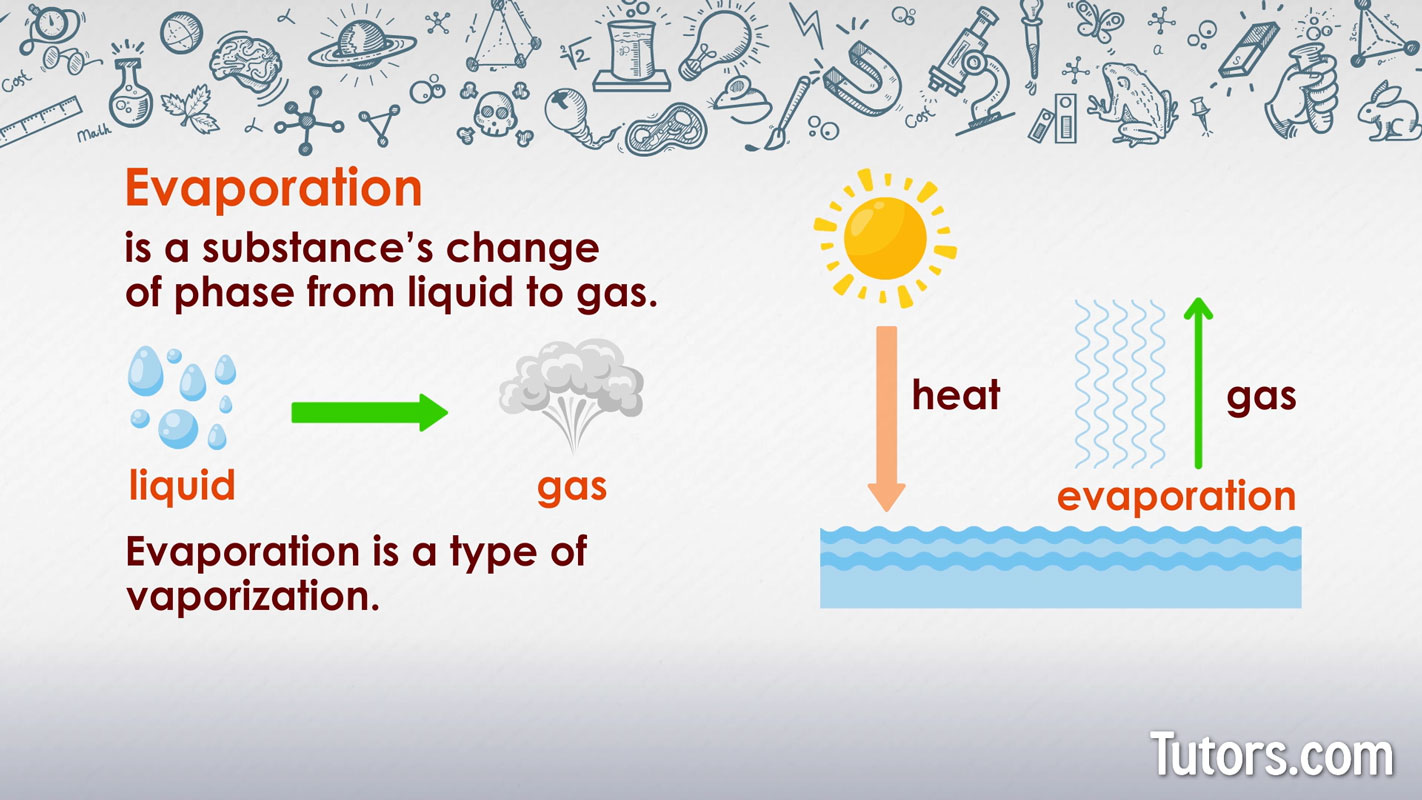
At its core, evaporation can be described as the transformation of liquid into vapor. It requires energy, often derived from heat, which causes molecules within the liquid to break free from the cohesive bonds holding them together. This process is not merely a physical change; it represents nature’s intricate symphony of energy, balance, and equilibrium. Let’s explore the myriad examples of evaporation, each a captivating story in itself.
The Water Cycle: A Dance of Transformation
One of the most beguiling examples of evaporation is its role in the water cycle—a nearly perpetual loop that embodies the essence of transformation. Water from oceans, rivers, and lakes ascends into the atmosphere as vapor, a metamorphosis that occurs largely unnoticed. As it evaporates, it is akin to a dancer leaping off the ground, propelled by the heat of the sun, only to later return in orchestrated choreography as precipitation. This cyclical movement maintains life on Earth by distributing water across various ecosystems, each with its unique rhythm and requirements.
Climate Regulation: The Thermostat of Nature
Evaporation also plays a significant part in regulating the climate. This natural process acts as a thermostat, controlling temperatures across diverse environments. When water evaporates from surfaces, such as lakes and oceans, it absorbs heat, cooling the surrounding area much like an air conditioner. In this respect, evaporation is not merely an act of change but a guardian of equilibrium, ensuring habitats do not succumb to extreme temperature fluctuations. Witnessing this balancing act can evoke a sense of respect for the serenity with which nature operates, tirelessly maintaining its delicate harmony.
Evaporation in Industry: An Ingenious Ally
Beyond nature, evaporation finds pivotal applications in various industries, serving as an innovative ally. In the realm of food preservation, processes such as dehydration rely on evaporation to prolong the shelf life of perishable items. The removal of moisture prevents the growth of spoilage-causing organisms, all while capturing the essence of the food in concentrated form. Picture sun-dried tomatoes—packed with flavor, they are a delightful tribute to the transformative power of evaporation, evoking memories of sun-drenched orchards and bustling markets.
Similarly, the textile industry employs evaporation in processes such as dyeing and finishing fabrics. As water evaporates, it enhances the saturation of colors, encapsulating the vibrancy of life within each thread. The fusion of science and artistry in these applications is a testament to evaporation’s versatility and its ability to breathe life into creations.
Evaporation in Daily Life: The Invisible Touch
On a more personal level, evaporation permeates our daily routines in ways we might overlook. Consider the way a puddle dissipates after a summer rain. The sun’s warmth dances overhead, coaxing the moisture upward in delicate wisps, like steam rising from a cup of coffee. It is a quiet reminder of nature’s ability to cleanse, replenish, and eventually free itself from the constraints of liquid existence. This everyday occurrence evokes a sense of fleeting beauty and impermanence, compelling us to reflect on the transient nature of life itself.
Evaporation and Health: The Hygroscopic Companion
Furthermore, evaporation plays a crucial role in maintaining health and wellness, particularly in the realm of perspiration. When sweat evaporates from the skin, it cools the body, acting as nature’s innate air conditioner. This not only maintains body temperature but also serves as a mechanism to expel toxins. In this way, evaporation is an intimate partner in the delicate dance of life, reminding us of our biological interconnectedness with the environment.
The Art of Evaporation: An Intricate Craft
In the world of perfumery, the concept of evaporation manifests in more artistic terms. The evaporation of volatile aromatic compounds imbues fragrances with their unique character. As each component evaporates at varying rates, it creates a complex bouquet of scents, enticing the senses. This meticulous interplay is akin to a symphonic orchestra where each note contributes to an overarching melody, nourishing our olfactory experience.
Conclusion: The Metaphysical Essence of Evaporation
Ultimately, evaporation transcends its basic definition, unfolding as a metaphor for change and transformation in our lives. Just as water evaporates, leaving behind a surface that once held it, we too undergo changes that reshape our identities and experiences. These moments of evaporation in our existence remind us of the impermanence of all things, urging us to savor each experience, much like appreciating the fleeting aroma of a summer breeze.
In essence, understanding evaporation enriches our perspective on the world. It beckons us to marvel at the processes that govern life, recognizing the interconnected tapestry of existence. The next time you observe a puddle evaporating, or feel the comforting cooling touch of sweat on your skin, allow yourself to appreciate the intricate beauty of evaporation—nature’s understated but profoundly vital act of transformation.













