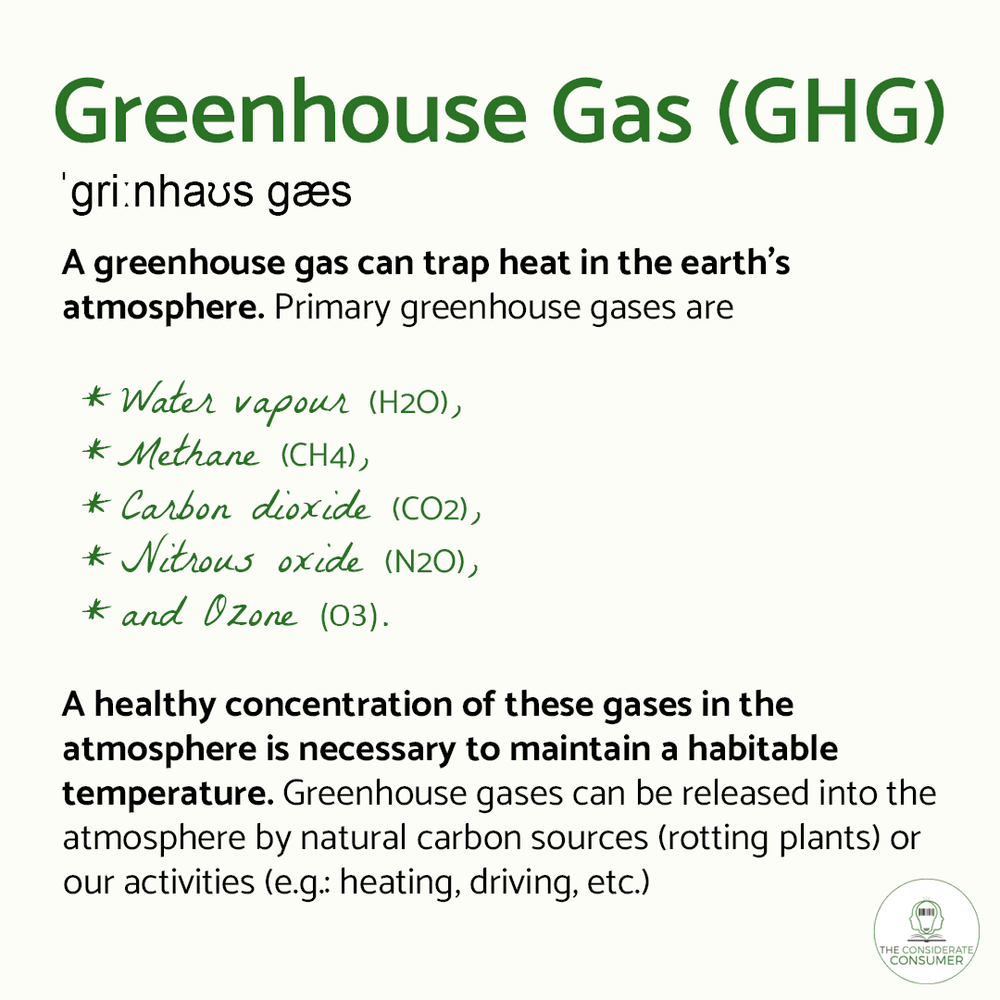
Greenhouse gases (GHGs) are integral to understanding the complexities of our atmosphere and their role in climate change. Among the ensemble of these gases, carbon dioxide (CO2) emerges as the quintessential and perhaps the most discussed example. It serves as a harbinger of our environmental predicaments while simultaneously illuminating the intricate interplay of industrial advancement and ecological responsibility.
The omnipresence of carbon dioxide is often taken for granted. Every time we exhale, we release this gas; yet, the ramifications of its accumulation in our atmosphere are profound. The foundational cause of this phenomenon lies in the combustion of fossil fuels — a byproduct of industries that have propelled modern civilization forward. This combustion process converts hydrocarbons found in coal, oil, and natural gas into CO2, which traps heat in the atmosphere, leading to a phenomenon known as the greenhouse effect. This process has become an indispensable component of contemporary life, yet it simultaneously precipitates a cascade of environmental alterations that we cannot ignore.
On one hand, the greenhouse effect is critical for sustaining life on Earth. It is this very mechanism that keeps our planet warm enough to support vibrant ecosystems, but when the equilibrium is disrupted by excessive greenhouse gases, we encounter detrimental consequences. The atmospheric concentration of CO2 has increased by over 40% since the pre-industrial era. This alarming statistic underscores the urgent need to scrutinize our carbon footprint and engage in sustainable practices that mitigate environmental degradation.
Interestingly, the fascination with carbon dioxide extends beyond its industrial origins and adverse global warming impacts. It encapsulates a duality that underscores both a challenge and an opportunity for innovation. In the scientific community, CO2 is not merely viewed as a pollutant; it is also regarded as a feedstock for sustainable technologies. Researchers are investigating revolutionary processes that recycle CO2 into valuable products, such as fuels and pharmaceuticals, potentially transforming this gas from a liability into an asset.
Moreover, another aspect of CO2 that merits examination is its biogeochemical cycle. The carbon cycle describes how carbon moves through the Earth’s systems, encompassing the atmosphere, hydrosphere, lithosphere, and biosphere. Plants, through the process of photosynthesis, absorb carbon dioxide, creating a symbiotic relationship where they produce oxygen, which is essential for aerobic life. However, contemporary deforestation and agriculture practices have disrupted this cycle, leading to an imbalance that exacerbates climate issues. Understanding these interconnected systems fosters a deeper appreciation for the delicate equilibrium that sustains life.
In addition to carbon dioxide, other greenhouse gases also warrant consideration, albeit with different properties and effects. Methane (CH4), for example, is significantly more potent as a greenhouse gas than CO2, with a global warming potential that is over 20 times greater over a 100-year period. This gas derives from various sources, including agricultural practices, landfills, and natural gas production. The fascination here lies in the stark contrast of methane’s short-lived but intense effects on atmospheric warming in comparison to carbon dioxide’s long-lasting impacts.
The complexity deepens when examining nitrous oxide (N2O), another potent greenhouse gas with a global warming potential approximately 300 times that of CO2 over 100 years. It primarily originates from agricultural activities, particularly from synthetic fertilizers. What is striking here is the dual role of agriculture as both a sustainer of human life and a catalyst for environmental change. This contradiction raises pressing ethical questions about food production and sustainability, compelling us to explore alternative agricultural practices that minimize emissions while ensuring food security.
Moreover, the less commonly known greenhouse gases, such as fluorinated gases, often remain overlooked in discussions surrounding climate change. These synthetic gases are primarily byproducts of industrial processes and possess significant warming potentials. Their observation highlights the intricacies of environmental stewardship and the comprehensive approach needed to tackle climate change holistically. Each molecule of these gases exhibits profound effects on atmospheric chemistry, and understanding them is vital for crafting effective regulations and innovation strategies.
The groups of greenhouse gases, while distinct, are interconnected within the intricate web of our ecosystem. The collaborative effect of these gases together dictates climate patterns, influences weather anomalies, and ultimately impacts biodiversity. As citizens of the Earth, our engagement with this issue is not just scientific but moral. The choices we make today regarding energy consumption, agricultural practices, and technological advancements will indubitably shape the kind of world we bequeath to future generations.
Addressing the greenhouse gas conundrum necessitates a multifaceted approach involving innovative technologies, policy changes, and grassroots movements. The budding interest in renewable energy sources, carbon capture technologies, and improved efficiency speaks to an awakening consciousness regarding our environmental footprint. Yet, while technological advancements hold promise, they should be viewed through a lens of responsible stewardship rather than mere convenience. Our fascination with greenhouse gases serves as a reminder of our profound responsibility towards the planet.
As the global community grapples with the challenges posed by climate change, the exploration of greenhouse gases reaffirms the intricate relationship between human activity and environmental health. Carbon dioxide, alongside other greenhouse gases, tells a story laden with both peril and potential. The enhancement of our understanding must go beyond mere numbers and statistics; it should illuminate the underlying ethos of our existence — one that champions sustainability, innovation, and respect for the natural world. In this understanding lies the path toward rectifying the imbalance we have created and safeguarding the delicate web of life that sustains us all.