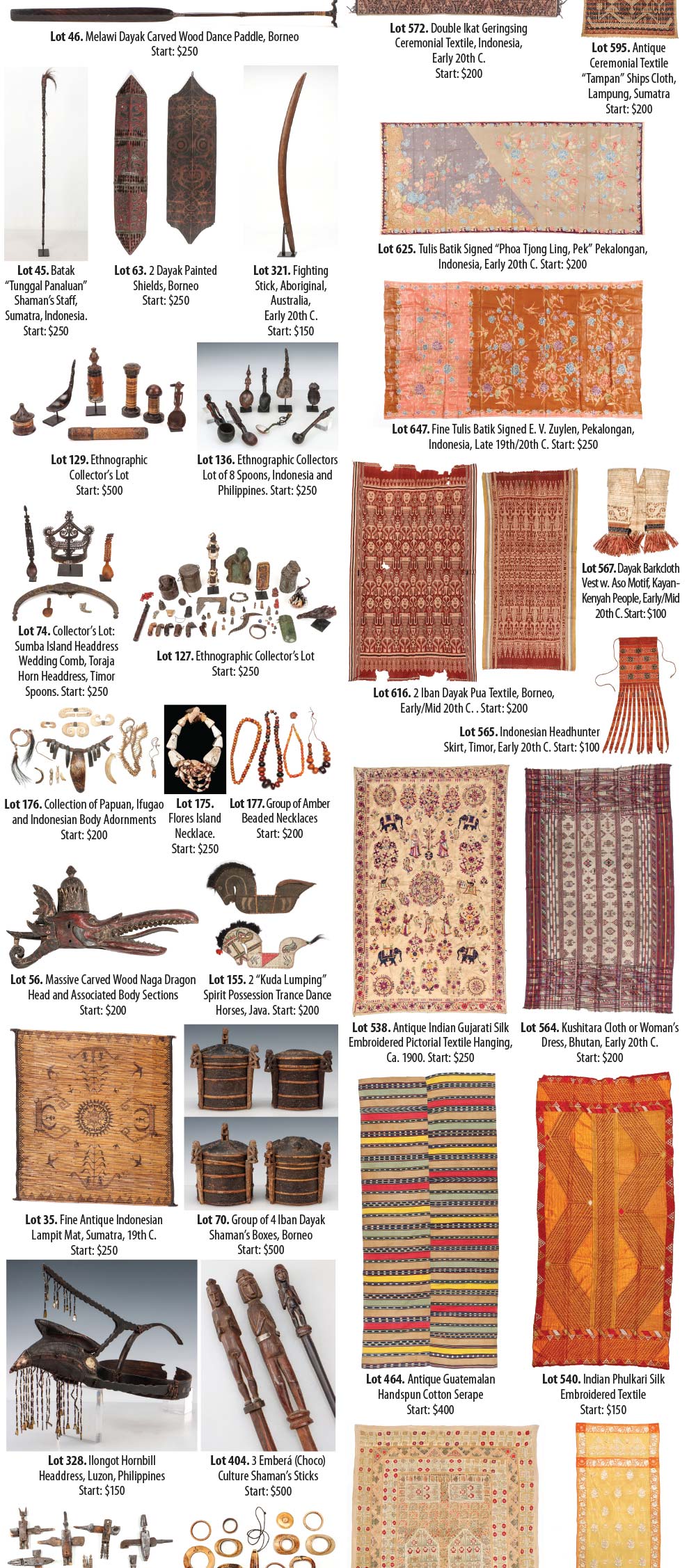
Have you ever stopped to ponder the significance of the everyday objects that surround us? From the simple coffee mug that cradles our morning brew to the intricate tapestries adorning our walls, each item tells a story—a narrative woven through time and culture. This intriguing phenomenon is known as material culture. But what exactly does it encompass? And how can we better understand our place within this grand tapestry? In this exploration, we delve into examples of material culture, dissecting its layers and unraveling the complexities behind seemingly mundane artifacts.
Material culture refers to the physical objects, resources, and spaces that people use to define their culture. These tangible items, including art, architecture, tools, and clothing, serve not only practical purposes but also convey deeper meanings about society, identity, and history. As we embark on this intellectual journey, let’s examine some key elements that embody material culture, using the example of something as ubiquitous as pottery.
1. The Evolution of Pottery: A Window into Civilization
Pottery is one of humanity’s oldest forms of material culture, dating back thousands of years. The techniques of shaping clay and firing it to create resilient vessels have evolved significantly across different civilizations. The earliest examples of pottery often exhibited rudimentary forms: simple bowls and jars crafted by skilled hands. What’s fascinating is how these vessels have transcended their fundamental utility; they serve as cultural artifacts that provide insight into the lives of those who created them.
Imagine a group of early humans gathering around a fire, sharing stories as they cook their gathered food in clay pots. These simple vessels were not just functional; they were reflective of their societal values, traditions, and environmental surroundings. Today, the study of ancient pottery offers a rich tableau of anthropological knowledge, revealing diets, trade practices, and even social structures of bygone eras.
2. Ceramics: Art and Identity
Diving deeper into the specific world of ceramics, we discover how various cultures have embraced artistry to express identity. From the intricate blue and white porcelain of Ming Dynasty China to the vibrant, hand-painted pottery of Mexico, each piece encapsulates a unique narrative. These ceramic artifacts allow for a dialogue between cultures and generations; they speak of craftsmanship, heritage, and even commerce.
Consider the challenge: as globalization sweeps across the globe, how do diverse cultures maintain their pottery traditions in the face of mass production? The juxtaposition of traditional artisanal pottery against machine-made alternatives poses an intriguing question about authenticity and value in a post-industrial world.
3. Symbols and Rituals: The Power of Pottery in Society
Pottery often transcends utility, becoming imbued with symbolism and ritual significance. For instance, in many Indigenous cultures, beautifully crafted vessels are used in ceremonial contexts—an aspect that further emphasizes their role in material culture. The design of a pot might carry ancestral narratives, while the act of creating pottery can itself be a form of spiritual expression.
As we consider this, one might ponder: How do the rituals surrounding pottery influence its meaning? Does an object’s initial purpose become secondary to its role in social cohesion? These questions invite a deeper appreciation of the interplay between material culture and spiritual significance.
4. The Role of Functionality and Aesthetics
While the artistic merit of pottery plays a crucial role, it is equally important to recognize functionality. Throughout history, the design of pottery has been directly influenced by its intended use. Consider the contrasting aesthetics of a utilitarian clay pot versus an ornate decorative vase—each serves distinct purposes and reflects diverse aspects of human creativity.
This duality poses a thought-provoking challenge for contemporary artisans: how do you balance functionality with artistic expression in a world driven by consumerism? In an age where utility often takes precedence, can one reclaim the beauty of functional art? This tension presents a fascinating lens through which to view modern material culture.
5. Environmental Implications and Sustainability
As we navigate the complexities of material culture, it’s paramount to consider the environmental implications of pottery production. The raw materials, such as clay and glaze, often carry significant ecological footprints. As the world grapples with sustainability, the pottery community has begun to reflect deeply on these practices, striving for eco-friendly approaches in sourcing and manufacturing.
This brings us to a critical contemplation: How can the legacy of pottery inspire a more sustainable outlook on material culture? Perhaps by revisiting ancient techniques that harmonized with nature, modern artisans can forge new paths that respect both heritage and environment.
6. Conclusion: Woven into Our Lives
Material culture is not merely a collection of objects; it is an intricate web that connects us to our past, presents us with current challenges, and opens doors to future possibilities. The examples of pottery we’ve explored illustrate how these seemingly ordinary items embody our collective human experience.
As we reflect on our personal relationship with material culture, let us ask ourselves: What stories do our belongings tell? How do they shape our identities and influence our interactions? Through this lens of inquiry, we can better appreciate the depths of creativity and history that material culture encapsulates, enriching our understanding of ourselves and the world around us.