
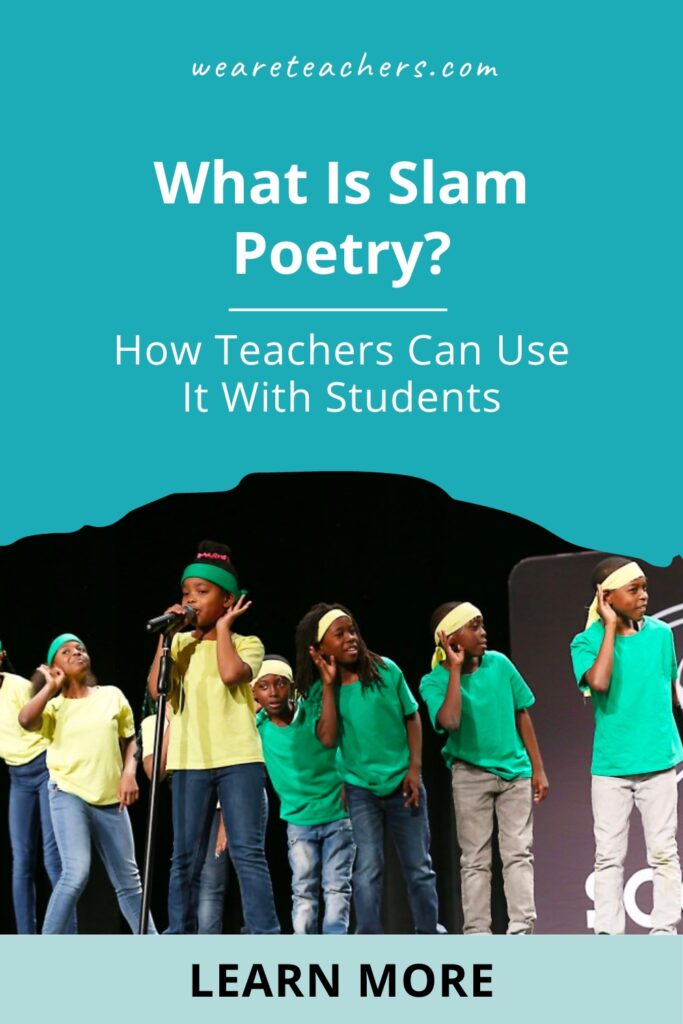
Slam poetry is a dynamic and visceral form of poetic expression that captures emotions, social issues, and the essence of personal narratives. This engaging art form can serve as a powerful conduit for conveying profound messages, providing an exhilarating experience for both the poet and the audience. As we delve into the nuances of slam poetry, we will explore various examples, dissect its impact, and reflect on how it can shift perspectives in an increasingly complex world.
At its core, slam poetry is not merely a performance art; it is an embodiment of raw emotion. It is a space where vulnerabilities can be unveiled, encapsulated within vivid metaphors and striking imagery. One compelling example of slam poetry can be illustrated through a piece that centers on identity and belonging. Imagine a poet standing tall on stage, the spotlight illuminating their face, their voice quavering with intensity. The verses unfold like layers of an onion, each line peeling back societal expectations and personal woes.
“I am the echo of my ancestors,” one might declare, each word resonating deeply within the audience. The poet gracefully weaves anecdotes of their heritage, drawing connections to the struggles and triumphs of those who came before them. This tapestry of history intertwines with the present, forcing listeners to grapple with the legacy of identity, and in turn, inviting them to confront their own.
As the poem progresses, the language becomes increasingly evocative. The rhythm quickens, propelling the audience forward, demanding their attention. “How can I embrace a past I have never lived? When will I be enough for a world that shuns difference?” Herein lies the beauty of slam poetry—it stretches the boundaries of conventional thought, urging the audience to re-examine their preconceived notions of culture and belonging.
The potency of this example lies not only in its lyrical prowess but also in its ability to provoke introspection. Through vivid imagery—a juxtaposition of the poet’s roots against a backdrop of societal norms—the piece cultivates a listening environment ripe for dialogue. It invites the audience to explore the multifaceted dimensions of identity, pushing them to reflect on their own journeys.
Additionally, the emphatic delivery characteristic of slam poetry further elevates its resonance. The intonation, facial expressions, and body language of the poet contribute to an electrifying atmosphere. Each pause, each emphasis on certain syllables, draws the audience deeper into the emotional landscape being illustrated. It’s in this shared vulnerability that connections are forged, further accentuating the communal experience of understanding profound truths about humanity.
Moreover, slam poetry serves as a mirror reflecting the societal zeitgeist. In another striking example, a poet might tackle current issues—like climate change or systemic injustice. The piece could begin with a stark statement, “We are the generation that watched our planet suffocate,” an arresting assertion that compels listeners to confront their complicity in global challenges. The rhetorical devices employed throughout the poem evoke a sense of urgency, highlighting the dire consequences of negligence.
As the poet dives deeper, phrases like “the oceans weep, and yet we remain silent” resonate across the venue, creating an almost palpable atmosphere of accountability. The eloquence of the imagery speaks volumes; it juxtaposes the innocence of nature against the harsh reality of human impact. Here, slam poetry transcends mere artistic expression— it becomes a call to action, a plea for awareness.
The catharsis experienced by the audience is both immediate and long-lasting. They leave the venue not just as spectators but as active participants in a broader conversation about existential issues that warrant collective introspection and mobilization. The inherent ability of slam poetry to encapsulate complex topics into emotions that can be felt viscerally creates a ripple effect—a challenge to complacency and an invitation to act.
Furthermore, the participatory nature of slam poetry often fosters community engagement. Events are typically inclusive, inviting diverse voices to share their experiences. This openness cultivates an environment where marginalized communities find a stage, quite literally, to articulate their struggles, triumphs, and dreams. The empowerment inherent in this practice encourages not just poets, but also audience members to elevate their own voices.
Ultimately, slam poetry possesses an unparalleled capacity to spark dialogue. The nuances of each performance can ignite discussions on identity, social justice, and environmental stewardship, compelling audiences to confront uncomfortable truths. For example, a poem that addresses police brutality might begin with a haunting line, “I saw my brother’s name splattered across a headline.” Such stark imagery sends chills and shatters silence, inviting profound contemplation on the societal structures at play.
As we bear witness to these performances, we are reminded that poetry has the power to transcend barriers—cultural, geographical, or ideological. The stories told on stage can resonate with anyone, regardless of their background, as they pivot on universal themes of love, struggle, and resilience. In transforming abstract concepts into tangible narratives, slam poetry acts as both a mirror and a window, reflecting our realities while also providing glimpses into the lives of others.
In conclusion, the artistry of slam poetry beckons us to explore, challenge, and redefine our understanding of the world. It is a multifaceted approach to expression and communication that instills curiosity, inspires change, and forges connections among disparate individuals. As we immerse ourselves in the rhythm and cadence of spoken word, we unlock the potential for profound transformation—both within ourselves and in the tapestry of humanity that binds us all together.













