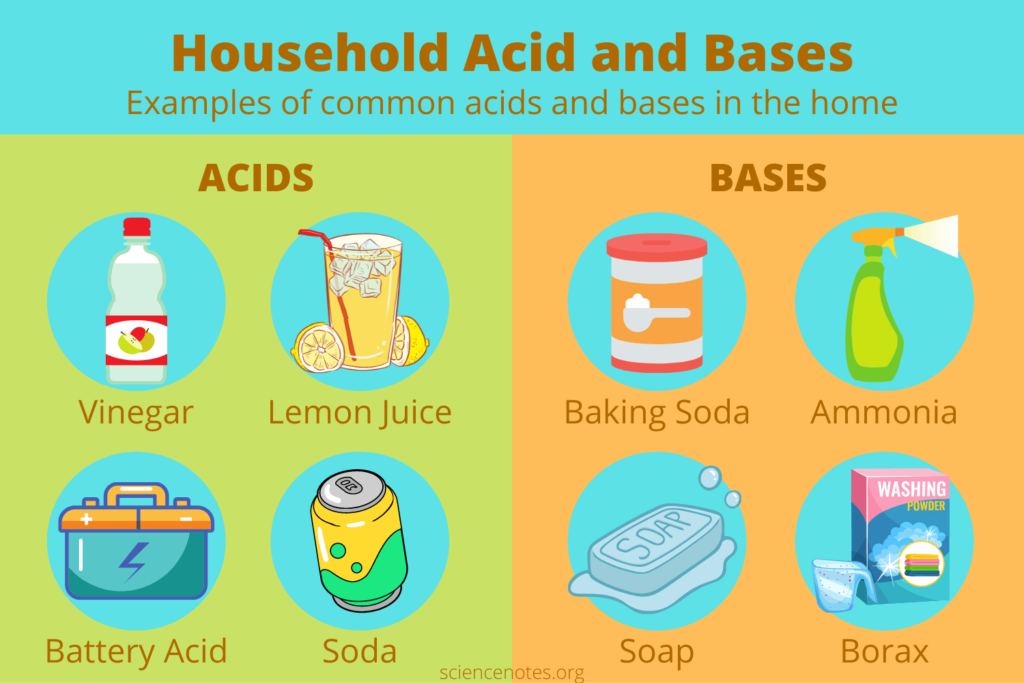
When pondering the intricacies of everyday life, we often overlook the spectacular chemistry occurring around us. One particularly fascinating type of reaction that illustrates profound changes in molecular structure and energy dynamics is the acid-base reaction. These reactions are not merely confined to the realms of laboratories or educational institutions; they manifest in our kitchens, gardens, and even our own bodies. Let’s embark on a captivating exploration of acid-base reactions, framing their relevance in our daily existence and unveiling the science that invigorates our interactions with various substances.
To truly appreciate the grandeur of acid-base reactions, we must first grasp what they entail. Simply put, an acid-base reaction involves the transfer of protons (H+ ions) between an acid and a base. This transfer catalyzes a myriad of transformations, yielding new substances and often releasing or absorbing energy in the process. Acids, characterized by their sour taste and the ability to turn litmus paper red, donate protons, whereas bases, which taste bitter and turn litmus paper blue, accept protons. This proton-transfer escapade can lead to various fascinating outcomes.
Consider the lively dynamics of vinegar and baking soda, a classic household combination that produces a delightful eruption of foam and bubbles. In this exemplary chemical reaction, acetic acid from vinegar interacts with sodium bicarbonate, a base. Upon mixing, they engage in a vigorous exchange, resulting in the formation of carbonic acid, which rapidly decomposes into water and carbon dioxide gas. The effervescence generated captures our attention, serving as an enchanting demonstration of a fundamental chemical principle. What purpose does this reaction serve beyond its initial spectacle? Its applications extend from household cleaning solutions to the baking process itself, where the release of carbon dioxide is pivotal in leavening dough.
But beyond the kitchen, acid-base reactions also unveil their magic in the natural world. Take soil chemistry, for instance. The pH level of soil—a direct reflection of its acidity or basicity—determines the availability of essential nutrients for plants. Acids like nitric acid, formed from nitrogen compounds, can enhance soil nutrient profiles, making them accessible to eager plant roots. Conversely, the addition of lime—a basic substance—can neutralize acidic soils, creating an optimal environment for agricultural endeavors. In this light, acid-base reactions serve as critical agents of biological sustenance, affecting the yield and health of our crops.
This interplay between acids and bases even infiltrates our own bodies, manifesting profoundly in physiological processes. Consider stomach acid, primarily composed of hydrochloric acid (HCl). This potent acid is crucial for digestion, facilitating the breakdown of food and enabling essential nutrient absorption. However, when the equilibrium is disrupted, resulting in excessive acidity—commonly known as acid reflux or gastroesophageal reflux disease (GERD)—the consequences can be troubling. The body employs various bases, such as bicarbonate ions, to neutralize this excess acid, illustrating an exquisite balance that echoes through our biochemistry every day.
As we venture deeper, another notable acid-base reaction is the process of neutralization, which forms salts and water. This foundational concept is vividly illustrated in the reaction between hydrochloric acid and sodium hydroxide, a strong base. When the two substances coexist, they engage in an electrifying dance of protons and electrons, culminating in water and sodium chloride, the common table salt. This fundamental reaction not only represents a cornerstone of acid-base theory but also emphasizes the creation of valuable products from seemingly hazardous materials. The synthesis of salt from this reaction is just one instance where the transformative power of acid-base interactions shines brightly.
Yet, acid-base reactions are not confined merely to straightforward equations on paper; they are rife with applications that spark curiosity and innovation. In the realm of environmental science, these reactions can aid in understanding ocean acidification. The rising carbon dioxide emissions dissolve in water bodies, forming carbonic acid, which lowers the pH of oceanic waters. This shift threatens marine ecosystems, affecting species that rely on stable pH levels for survival. Recognizing these alterations allows us to envision solutions to environmental challenges, fostering deeper awareness and responsibility toward our planet.
Additionally, in industrial settings, acid-base reactions are pivotal in the manufacturing of a plethora of materials. For instance, the production of fertilizers often relies on the interaction of sulfuric acid with phosphates. This reaction yields phosphoric acid, an essential nutrient for plant growth. Moreover, in the realm of pharmaceuticals, acid-base reactions are emphasized during drug formulation, where ensuring the proper pH can enhance solubility and bioavailability of drugs. The functionality of these reactions extends far beyond the laboratory, resonating in the efficacy of medications that enhance our quality of life.
Furthermore, the concept of pH and its implications underscores a broader narrative woven through molecular interactions. It serves as a gauge for comprehending not only the strength of acids and bases but also their potential applications. From the proverbial window of our kitchens to the sprawling expanses of natural and industrial landscapes, acid-base reactions catalyze change and innovation, prompting us to rethink our relationship with the chemical world.
In summation, the world of acid-base reactions beckons us to engage with the chemical phenomena sprawled across our daily lives, filling it with intrigue and revelations. These reactions exemplify a fascinating interplay between structure and function, echoing through biology, environmental science, industry, and gastronomy. As we cultivate a greater understanding of these processes and recognize their omnipresence, we can foster a deeper appreciation for the science that underpins our existence. Let this insight guide our curiosity, steering us toward exploration and innovation in an ever-evolving chemical landscape.