In the intricate tapestry of the English language, sentences serve as the fundamental building blocks that convey thoughts, emotions, and actions. Among the diverse array of sentence structures, compound-complex sentences stand out, weaving together multiple ideas with sophistication and elegance. This article delves into the nuances of compound-complex sentences, exploring their structure, significance, and the art of crafting them to enhance one’s writing.
Understanding the Structure
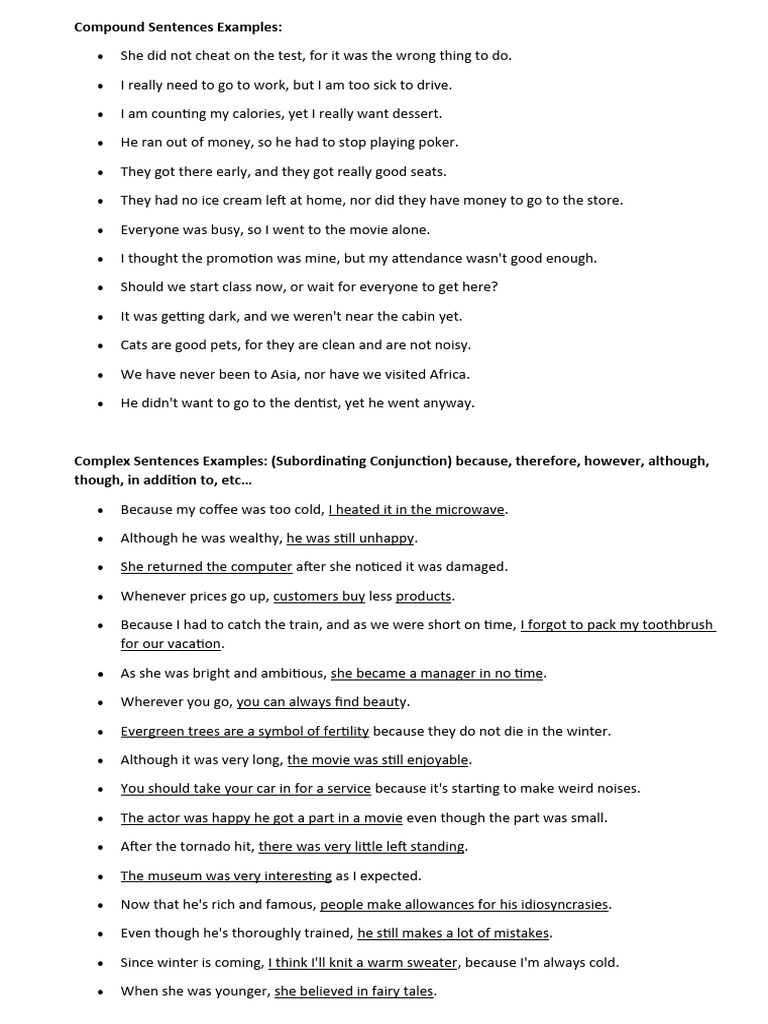
A compound-complex sentence is a delightful amalgamation of at least two independent clauses and one or more dependent clauses. To demystify the concept, imagine a vibrant garden where different flowers bloom together, each maintaining its identity while contributing to the collective beauty. The beauty of these sentences lies in their ability to express complex ideas with clarity and finesse.
For example, consider the sentence: “Although it was raining, we decided to go for a hike, and we packed our gear.” Here, “Although it was raining” is the dependent clause that sets the context, while “we decided to go for a hike” and “we packed our gear” are the independent clauses that convey complete thoughts. This blending of ideas offers a rich tableau of information, enticing readers to delve deeper into the narrative.
The Importance of Compound-Complex Sentences
In writing, clarity and engagement are paramount. Compound-complex sentences enable writers to convey more intricate concepts without sacrificing coherence. They serve as a powerful tool in storytelling, allowing authors to explore multiple perspectives simultaneously. By skillfully employing this structure, writers can transport readers into a multifaceted world, enriching their understanding of characters, motivations, and conflicts.
Moreover, these sentences introduce variety into the rhythm of writing. A monotonous string of simple sentences can dull the narrative’s vibrancy, while compound-complex sentences inject dynamism and interest. This captivating cadence invites readers to stay engaged, sparking curiosity about the unfolding plot or argument.
Crafting Powerful Compound-Complex Sentences
Creating compelling compound-complex sentences involves a thoughtful approach to composition. Here are several strategies to consider:
- Begin with Context: Start with a dependent clause that sets the stage, providing essential background information. For instance, “While the sun dipped below the horizon, the children played joyfully in the park, and their laughter echoed through the evening air.” Here, the dependent clause hints at a setting before revealing the actions.
- Connect Ideas: Use coordinating conjunctions such as “and,” “but,” or “or” to link related independent clauses. This connection fosters a sense of continuity and reinforces the relationship between ideas. For example, “She studied diligently for her exams, yet she found time to volunteer at the local shelter, demonstrating her commitment to both education and community service.”
- Embrace Subordination: Utilize subordinating conjunctions such as “although,” “because,” or “since” to incorporate dependent clauses seamlessly. This not only clarifies relationships between ideas but also adds depth. For instance, “Although he was exhausted from work, he decided to cook dinner for his family, believing that shared meals strengthened their bond.”
- Maintain Balance: Ensure that the independent clauses are of similar length and complexity to create a harmonious flow. This balance enhances readability and helps prevent any single idea from overshadowing the others. A well-balanced sentence might read, “She enjoyed hiking in the mountains, yet she also relished quiet evenings with a good book, cherishing both adventure and tranquility.”
Examples to Illuminate
To grasp the intricacies of compound-complex sentences, here are some illustrative examples:
- “Because the presentation was due tomorrow, I stayed up late working on it, and my colleagues offered their assistance.” This sentence showcases how urgency interacts with collaborative effort, emphasizing both pressure and teamwork.
- “While the storm raged outside, the family gathered by the fireplace, sharing stories and sipping hot cocoa.” Here, the dependent clause sets a vivid scene, while the independent clauses portray warmth and togetherness amidst chaos.
- “The artist created stunning masterpieces during her travels, yet she never forgot her roots, which inspired many of her works.” This example elegantly conveys the interplay of inspiration and identity, inviting readers to ponder the complexity of artistic expression.
The Impact on the Reader
Compound-complex sentences possess the remarkable ability to shift a reader’s perspective. By intertwining various ideas, these sentences prompt contemplation, allowing audiences to navigate through the layers of meaning. A single sentence can encapsulate a character’s inner conflicts, societal dilemmas, or philosophical musings, fostering a deeper connection between the reader and the text.
Furthermore, the curiosity piqued by a well-structured compound-complex sentence can lead to a desire to explore the author’s intentions further. Readers may find themselves asking questions, seeking answers, and engaging in a dialogue with the text. This engagement is where the magic of writing lies—the creation of a symbiotic relationship between writer and reader.
Conclusion: Embracing Complexity in Writing
As we conclude this exploration into compound-complex sentences, it becomes evident that these linguistic structures are more than mere grammatical constructions; they are gateways to creativity and expression. Through the thoughtful combination of independent and dependent clauses, writers can create layers of meaning, connect with their audience, and amplify the impact of their narratives.
By embracing the complexity of language, one can craft sentences that resonate, inspire, and engage. In an ever-evolving world of communication, mastering the art of compound-complex sentences equips writers with the tools to articulate intricate ideas and foster curiosity, leaving an indelible mark on their readers.