Imagine you’re opening the pages of a novel or perhaps the first scene of a vibrant screenplay. You are immediately transported into a world that promises adventure, mystery, or even romance. What prepares you for this journey? What lays the foundation for what is to come? The answer lies in a critical story element known as exposition. In storytelling, exposition serves as the bridge connecting the audience to the intricacies of the narrative, laying down essential information that shapes the reader’s understanding of the unfolding drama.
But what exactly is exposition? And how does it function in storytelling? Let’s delve deeper into this literary groundwork.
Understanding Exposition
Exposition is the systematic introduction of key elements—characters, settings, events, and background information—that are vital for the comprehension of the plot. This element does not aim to bombard the reader with information; rather, it delicately unveils layers of the story, akin to peeling an onion. It offers a framework, one that should engage curiosity while enticing readers to continue turning pages.
Types of Exposition
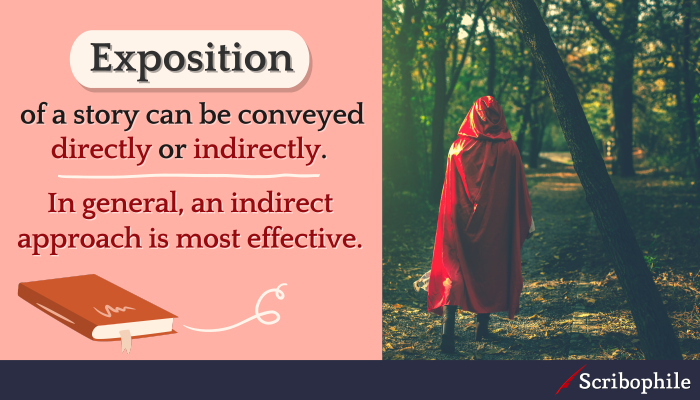
There are several methods through which exposition can be presented to the audience. Each has its unique flair and function:
- Direct Exposition: This method involves an overt, straightforward presentation of necessary information. Often seen in narration, it articulates facts that the audience needs to know upfront. Think of a first-person narrator introducing themselves and their immediate concerns.
- Indirect Exposition: This approach is more subtle. It relies on dialogue, character actions, and the environment to reveal information. For instance, two characters discussing past events can hint at their shared history and emotional connections, thus painting a backdrop for the audience.
- Backstory: This is a particular form of indirect exposition that provides context about a character’s personal history or the world in which the story takes place. It enriches the narrative, imbuing it with depth.
Understanding these various formats of exposition is integral to crafting a compelling narrative. The veil of suspense and intrigue is often woven through their effective application.
Crafting a Compelling Exposition
The art of exposition hinges on a delicate balance: too little information can leave your audience bewildered, while too much can stifle their imagination. As a writer, it’s essential to integrate exposition seamlessly into the narrative. The questioning that arises from it becomes an invitation for the reader.
Consider the classic opening of a mystery novel that poses a playful question: “What if everyone you knew had a hidden life you’d never imagined?” That tantalizing query pulls the reader into the narrative, presenting the potential challenge of unraveling secrets encased within the story’s folds.
To make your exposition compelling, here are several strategies:
- Engage with Characters: Introduce characters with vibrant personalities whose quirks and complexities naturally lead to exposition. Engaging dialogues where characters share their thoughts, fears, and motivations can serve as a gateway to vital background information.
- Use Vivid Settings: The setting can profoundly influence the mood of the story. Describing the ambiance not only situates the characters within a physical space but can also convey a wealth of information regarding societal norms, historical contexts, and emotional landscapes.
- Reveal Gradually: Instead of laying everything bare, articulate certain details at opportune moments, providing revelations that propel the plot. Such techniques keep the audience invested—curiosity transforms into a desire for understanding.
The Importance of Exposition in Conflict
Exposition plays a pivotal role in establishing conflict. One might ponder what conflict even means without context. A character’s emotional turmoil or the stakes that threaten their existence become deeply resonant when infused with rich exposition. Why does the protagonist yearn for the treasure? Who is threatening their hopes? The exposition frames these queries, creating investment in the struggle ahead.
Consider a scenario where the protagonist learns that their family has been threatened by a powerful adversary. Leafing through an old photo album, the narrative juxtaposes nostalgia with rising tension, elegantly displaying both the stakes and the emotional weight of the journey they must undertake. Such moments, woven with exquisite exposition, highlight both the protagonist’s motivations and the escalating conflict.
Examples of Exposition in Literature
Exemplars of exquisite exposition abound in classic literature. Charles Dickens’ “A Tale of Two Cities” begins with a proclamation that immediately immerses readers in a chaotic time—“It was the best of times, it was the worst of times.” The reader is confronted with an intriguing dichotomy, merging tones of prosperity and despair, cleverly enticing them to explore the contrasts that permeate the narrative.
In “The Great Gatsby,” F. Scott Fitzgerald employs indirect exposition through conversations, painting a vivid tableau of the roaring twenties, yet creating an air of mystery about Jay Gatsby’s background. The character-driven dialogues allow insight into class struggles, dreams, and disillusionment that underpin the plot’s larger themes.
Conclusion
Exposition is not merely a narrative necessity; it is an art form that enriches storytelling. By engaging your audience’s curiosity and leading them through the layers of your narrative, you create a world they cannot resist exploring. So, as you compose your story, consider your exposition a potent tool—a playful question waiting to be answered, enticing the reader to embark on a journey filled with challenges, revelations, and, ultimately, profound understanding.