
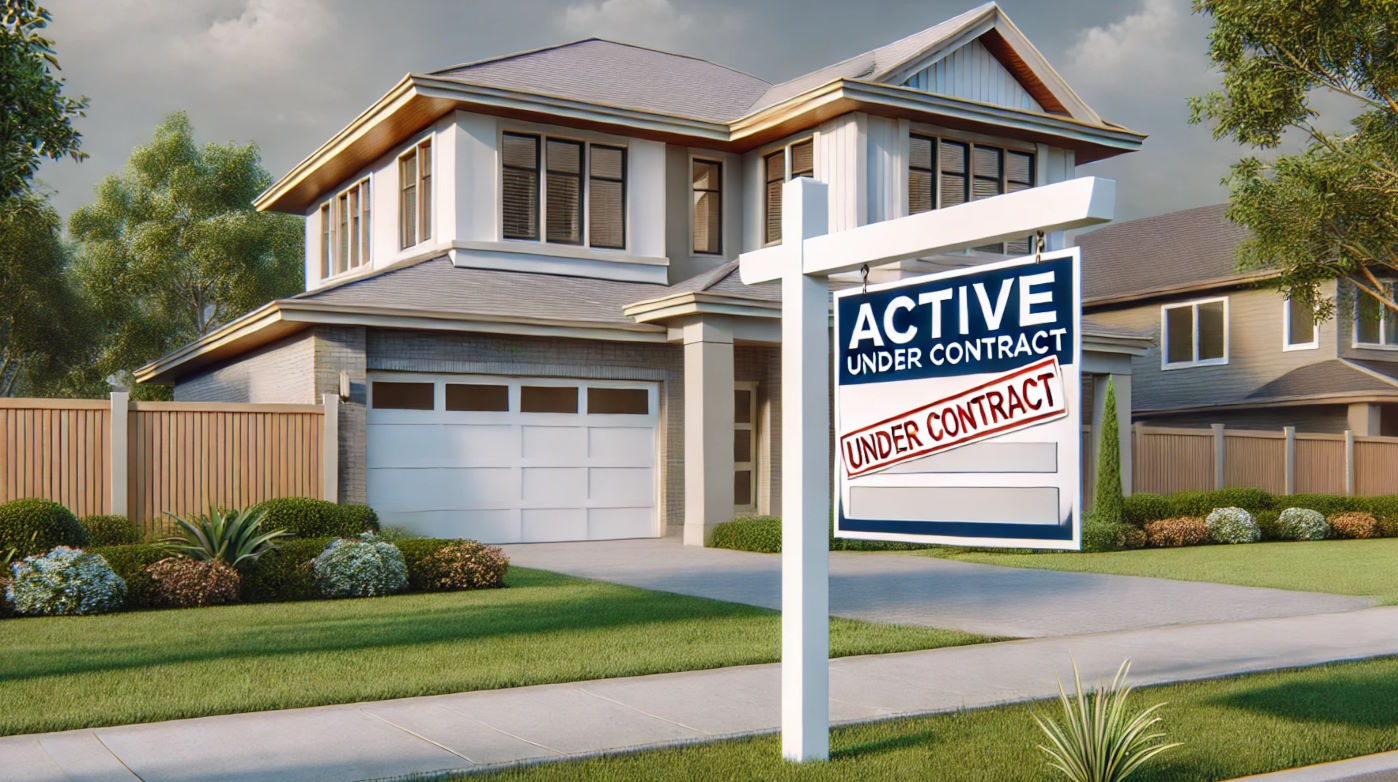
When navigating the complex waters of real estate, one term might pop up frequently: “Active Under Contract.” But what does this phrase truly signify, and how does it influence the buying or selling landscape? Let’s embark on an enlightening exploration of this term, unraveling its meaning and implications, while also engaging with the inherent challenges it poses for potential homeowners and real estate enthusiasts alike.
Imagine this: you’ve been scouting the perfect home, only to find out that it’s “Active Under Contract.” You might wonder, “Does this mean the property is still available to me?” This playful question leads us to an intriguing challenge: understanding the nuances of active contracts in the real estate realm. Let’s delve deeper, shall we?
Understanding the Phrase
“Active Under Contract” typically denotes properties that are currently in negotiations. It means that the sellers have accepted an offer and are in the process of finalizing the sale. However, the listing remains active on the market, which may suggest that the sellers are still open to backup offers. The wisdom here lies in recognizing that just because a property is under contract doesn’t guarantee its sale.
But why would a seller keep a home on the market once an offer has been made? This practice can serve several strategic purposes, one of which is to hedge against potential pitfalls during the transaction process. If, for any reason, the current deal falls through—say, due to financing complications or a low appraisal—the seller can consider other interested buyers, allowing them to quickly pivot without losing critical time in the competitive market.
The Mechanics Behind Contracts
Contracts in real estate are finely detailed documents that govern the sale of property, stipulating various contingencies that must be met before a sale can be consummated. Conditions such as home inspections, financing approval, and appraisal values can create hurdles that may jeopardize the transaction. Therefore, understanding the terms within these contracts becomes paramount for both buyers and sellers. Are you well-versed in these contingencies, or are you merely casting your net in turbulent waters?
Moreover, an “Active Under Contract” status often reflects a specific phase in the transaction timeline. Once an offer is accepted, a timeline commences. Typically, earnest money deposits are made, inspections are conducted, and various disclosures exchanged. The goal is to move towards a successful closing. However, the intricacies can be daunting. If you’re a prospective buyer, knowing how to navigate this sequence can be critical to your experience.
The Buyer’s Perspective
For buyers, maneuvering through “Active Under Contract” properties can be a double-edged sword. On one hand, showing interest in a home that’s under contract indicates tenacity and may even get you a foot in the door should unforeseen complications arise for the primary buyer. On the other hand, it’s essential to temper your enthusiasm with a dose of realism. How often do deals fall apart? And if they do, what are the chances yours will be the next in line?
Additionally, engaging in a backup offer can come with its challenges. You might be tasked with negotiating terms while uncomfortably aware that the seller is still committed to another buyer. This dynamic can create tension—an emotional investment in a property that might never meet fruition. Yet, this could also be a shrewd tactic when approaching the market with strategy and resolve.
The Seller’s Strategy
Sellers, on the other hand, leverage the “Active Under Contract” status to maintain momentum in their sales strategy. By keeping their property on the market, they can gauge interest levels, receive feedback, and potentially entertain multiple offers. This can dramatically influence the final sale price, particularly in competitive neighborhoods where bidding wars are commonplace.
However, sellers also engage in a complex dance with emotions and expectations. How should one navigate the potential for backup offers while fostering commitment from the primary buyer? Can the seller remain confident while juggling multiple interested parties? It’s a testament to the unpredictable nature of real estate, leaving some sellers attempting to balance optimism with caution.
The Market Fluctuations
The very concept of “Active Under Contract” is also heavily influenced by market conditions. During competitive market scenarios, many properties may quickly shift to this status. Conversely, in a slower market, transactions might linger longer, suggesting that buyer interest is tepid at best. Thus, understanding the broader economic conditions not only helps in interpreting the status but equips buyers and sellers with essential information to make informed decisions.
Final Thoughts
Ultimately, navigating the term “Active Under Contract” is about understanding the intricacies of real estate transactions. It invites buyers and sellers alike to engage with a degree of strategy and patience, compelling them to constantly reassess their positions as the market ebbs and flows. Whether you are ready to write a compelling backup offer or keen on keeping your options open as a seller, the knowledge of what this status entails can give you the leverage needed to succeed.
So, the real question remains: Are you prepared to swim against the currents of the real estate market, equipped with knowledge and strategies to guide you through the sometimes tumultuous waters of being “Active Under Contract”? Only time will tell.











