
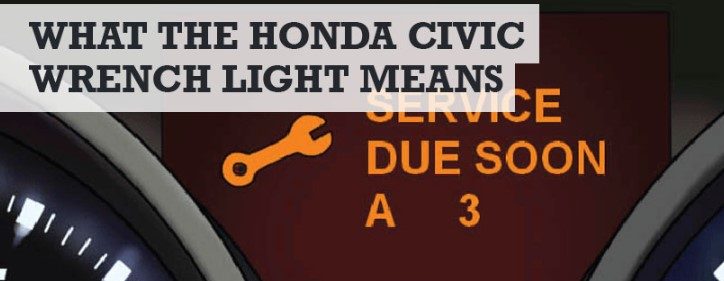
As you settle into your vehicle, preparing for yet another journey, a subtle yet captivating light flickers to life on your dashboard—a wrench symbol. This seemingly innocuous image is not merely a decoration; it harbors significant implications for your automotive well-being. But what does it truly signify? This article delves into the meaning of the wrench light, its implications, and the essential steps to take when it illuminates.
The Wrench Light Unveiled
At first glance, the wrench symbol may appear simplistic, yet it conveys a vital message regarding your vehicle’s maintenance needs. Typically associated with a scheduled maintenance reminder, this light serves as a gentle nudge, urging drivers to attend to routine service tasks that are integral to the longevity and performance of their cars. Unlike the more alarming red warning lights that demand immediate attention for urgent issues, the wrench icon signifies a proactive step towards maintaining vehicle health.
Understanding the Essentials of Scheduled Maintenance
Scheduled maintenance encompasses a range of services tailored to prevent mechanical failures and enhance overall performance. It is essential to understand that this cosmetic reminder adjusts with each make and model, adapting to the manufacturer’s guidelines. Common tasks may include oil changes, filter replacements, tire rotations, and fluid level checks. These procedures play a critical role in preserving your car’s integrity while also boosting fuel efficiency. Ignoring the wrench light could lead to diminished performance and more costly repairs down the line.
Why Is the Wrench Symbol Important?
Ignoring the wrench light might seem harmless initially, but this could lead you down a slippery slope of automotive neglect. Modern vehicles are renowned for their complex engineering, where every component operates in harmony with others. When one aspect is overlooked, it can create a cascade of issues, culminating in significant breakdowns. Therefore, recognizing the importance of the wrench light can shift your perspective on car maintenance from a mundane task to a pivotal responsibility. Consider the wrench symbol as your vigilant co-pilot, tirelessly working to ensure your travels remain uninterrupted.
Decoding the Wrench Light: What to Do Next
Upon spotting the wrench light, the imperative first response is to consult your vehicle’s owner manual. This treasure trove of information offers insights specific to your car, detailing when to schedule a maintenance check and what services are recommended. Additionally, manufacturers often provide a mileage or time frame guide to help you keep track of your vehicle’s servicing needs.
Here’s a general step-by-step guide on how to address the wrench light:
- Check Your Manual: Find the section related to maintenance warnings to understand what the light indicates for your specific vehicle.
- Schedule a Maintenance Appointment: If you are nearing the suggested mileage or time for your next service, set up an appointment with your mechanic.
- Perform Basic Checks: Before your visit, you can check oil levels, tire pressure, and fluid levels to ensure nothing obvious requires immediate attention.
- Document Everything: Keep a maintenance log to chart your service history; this is invaluable for warranty and resale purposes.
Common Misconceptions Surrounding the Wrench Light
There are various misconceptions regarding the significance of the wrench light, chief among them being the belief that it only activates when immediate action is required. In truth, the wrench symbol is merely a prompt indicating a scheduled service is pending—it does not imply an emergency. Similarly, a common error is assuming that a single oil change suffices for the entire vehicle’s upkeep. In reality, every component may possess unique servicing needs, and adhering to a full range of maintenance tasks is paramount for optimal function.
The Consequences of Neglect
Neglecting the maintenance indicated by the wrench light can lead to dire ramifications. Just as a house requires regular upkeep to prevent deterioration, so too does your vehicle. The risks of bypassing scheduled services can result in a myriad of complications, including engine wear, decreased fuel efficiency, brake failure, and ultimately, costly repairs that far exceed the price of routine service. By shifting your view of that small symbol from a nuisance to an essential communicator, you can safeguard against unforeseen automotive dilemmas.
Conclusion: Embracing Preventive Maintenance
The wrench light on your dashboard is more than an ornament; it’s a critical signal alerting you to the need for maintenance. Embrace this reminder as an opportunity for preventive care, a chance to engage with your vehicle on a deeper level, safeguarding its longevity while ensuring each journey is smooth and problem-free. By nurturing this relationship through regular service, you enhance not only your car’s performance but also your driving experience as a whole. So, the next time that charismatic wrench symbol lights up your dashboard, remember that its purpose is to guide you towards a more sustainable and enjoyable relationship with your vehicle. Safe travels await when you heed the call of the wrench.












