
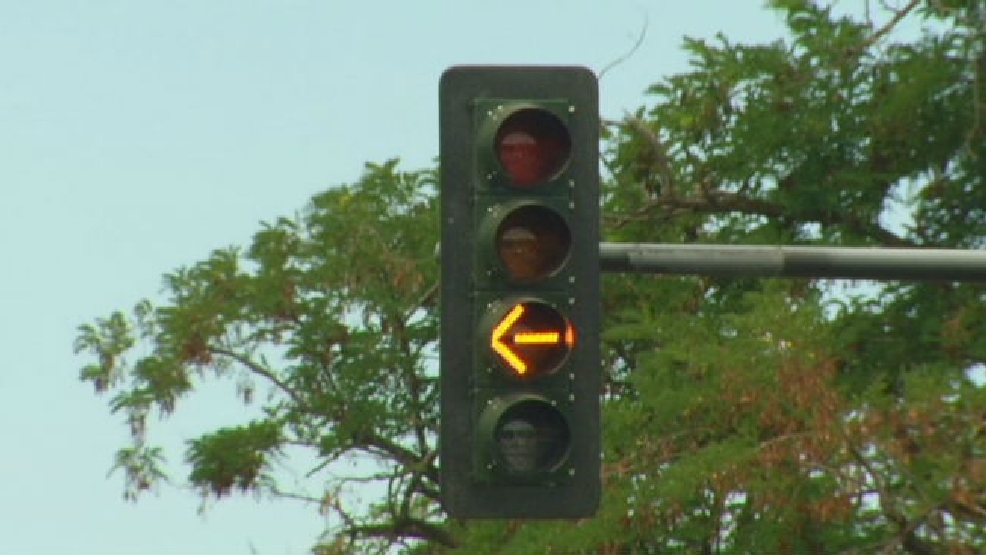
As one traverses the labyrinthine arteries of urban transport, the interplay of light signals dictates the rhythm of movement. Among these signals, the flashing yellow light emerges as a beacon of ambivalence, inviting both caution and opportunity. Understanding what a flashing yellow light signifies is crucial for any motorist seeking to navigate the roads safely and efficiently. This exploration will elucidate the nuances of the flashing yellow light, exposing the traffic rules that weave together this essential aspect of road safety.
Initially, it’s imperative to grasp the fundamental distinction between a solid yellow light and its flashing counterpart. The solid yellow light serves as a harbinger of caution, alerting drivers to the potential perils that lie ahead — be it a stop sign or an impending traffic signal change. Conversely, the flashing yellow light operates on a different frequency, conveying a message that oscillates between warning and exhortation. It invites drivers to proceed with vigilance, akin to a cautious dancer teetering on the brink of movement.
The flashing yellow light predominantly indicates a need for reduced speed and heightened awareness. It often graces intersections where the flow of traffic is crucial yet may not warrant a complete stop. Approaching such a light, one must adopt the mindset of a sage navigator, ready to evaluate the crossroads of possibility. Is another vehicle preparing to cross? Is a pedestrian lingering near the crosswalk? The flashing yellow light serves as a call to adopt an observant posture, urging drivers to remain alert and prepared to respond to unexpected actions from other road users.
The placement of flashing yellow lights is often strategic, found near schools, construction zones, or areas with increased pedestrian traffic. This intelligent design serves as a reminder that roads are dynamic ecosystems, alive with the potential for interaction and unpredictability. For instance, in the vicinity of schools, the flashing yellow lights serve as protective sentinels, guiding families across the thoroughfare. They implore drivers to acknowledge the fragility of youthful life, reminding them that caution in these zones is both a moral and legal obligation.
The operability of flashing yellow lights extends beyond mere caution. Interestingly, these lights can significantly reduce the probability of accidents when adhered to appropriately. Research indicates that such lights often lead to a decrease in collisions at intersections where they are employed. They serve as an intelligent amalgamation of caution and encouragement, facilitating smoother transitions through high-traffic areas. This is not merely a suggestion; it is a call for conscientious driving, akin to a subdued crescendo in a symphonic arrangement where every note must harmonize for the piece to resonate properly.
A flashing yellow light can also symbolize the fragility of the balance between caution and opportunity. It diminishes the rigidity of stopping completely while still advocating for a deliberate approach. This is where the metaphor of the cautious dancer once again emerges; the driver must engage with the light in a manner reminiscent of a ballet — graceful yet assertive. The dance involves assessing one’s surroundings, gauging the dynamics of other vehicles and pedestrians, and executing a seamless transition through the intersection with measured enthusiasm.
In moments of driving, where hesitation or uncertainty creeps in, drivers must remember the dual nature of the flashing yellow light. It acts as both a catalyst for action and a herald of caution. The prudent driver adopts a mindset that embraces both possibilities, resulting in proactive decision-making. Quickening the pace without erring into recklessness; slowing down without succumbing to timidity. Such equilibrium is not merely advantageous; it is vital in a world dominated by hurried schedules and fleeting moments.
Contrary to the straightforward commands of traditional traffic lights, the flashing yellow requires a certain finesse and judgment. It unveils the necessity of situational awareness — a quality fundamental to any driver aiming to navigate the murky waters of road traffic. In this respect, mastering the flashing yellow light is much akin to mastering a rarefied skill; it invites practice, attention, and ultimately a sense of confidence and poise on the road.
Moreover, the repercussions of neglecting a flashing yellow light can be monumental. To disregard its beckoning is to dance dangerously close to disaster. The flashing yellow, when overlooked, transforms from a gentle reminder into a reckoning. Collisions, injuries, and even fatalities have been linked to the misinterpretation of this cautionary light. Hence, the act of fully embracing what the flashing yellow signifies is not merely a personal choice; it is a communal responsibility, preserving the sanctity of travel for all participants in the journey.
Ultimately, understanding how to interact with flashing yellow lights amplifies the quality of one’s driving experience. It embodies that thrilling interplay of caution and trust. Each time a driver approaches a flashing yellow light, it stands not as an impediment, but rather as an opportunity to foster alertness, grace, and respect for the shared space on the road. In an age where distractions abound and hasty decisions can lead to dire consequences, the flashing yellow light remains an unsung hero. It serves as both an emblem of caution and an invitation to reflective engagement, ensuring all drivers can navigate intersections – and life itself – with aplomb.











