
Imagine being accused of a crime in one country while seeking refuge in another. You might be wondering, “What would happen if I simply decided not to fight extradition?” This provocative query leads us to the intricate world of extradition law, where the concept of waiving extradition plays a pivotal role in international legal proceedings. This article delves into the definitions, consequences, and multifaceted implications of waiving extradition.
Understanding Extradition
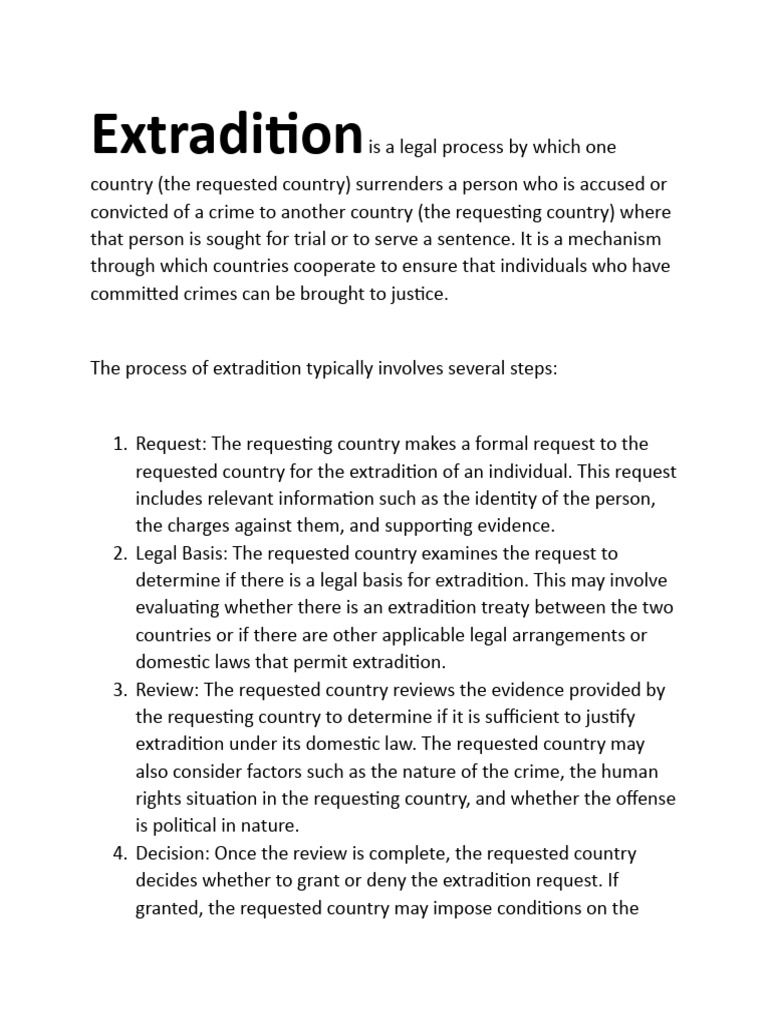
Before discussing the nuances of waiving extradition, it’s crucial to clarify what extradition entails. Extradition is the formal process by which one country surrenders a suspected or convicted criminal to another country. This legal mechanism relies on treaties and diplomatic agreements, ensuring that individuals face justice in the jurisdiction where their alleged crimes occurred. However, what happens when someone decides to waive this right?
Definition of Waiving Extradition
To waive extradition means that an individual voluntarily relinquishes their right to contest being extradited to another jurisdiction. By doing so, they effectively choose to be handed over to the requesting authorities without the usual legal proceedings that could delay or prevent extradition. It’s a conscious decision, often made for tactical reasons, but it raises several important legal questions and potential consequences.
Reasons for Waiving Extradition
There are various reasons why an individual may opt to waive their extradition rights. Some of the most common motivations include:
- Desire for a Swift Resolution: Individuals may wish to expedite the legal process, believing that confronting the charges directly may lead to a quicker resolution.
- Control Over Proceedings: Waiving extradition may provide the accused with more control over their legal strategy, allowing them to negotiate terms with the prosecuting party.
- Negotiation Opportunities: By waiving extradition, individuals might seek to negotiate plea deals or favorable terms that could mitigate potential sentencing.
- Moving Past Uncertainty: For some, the anxiety associated with prolonged extradition battles can outweigh the benefits of contesting the process.
Legal Consequences of Waiving Extradition
The decision to waive extradition, while seemingly straightforward, carries significant legal ramifications. Understanding these consequences is essential for anyone considering this path.
One immediate consequence is that waiving extradition often implies an admission of guilt, whether explicitly stated or inferred. Although waiving does not mean that the individual is guilty, it can hinder their defense strategy by closing off avenues of appeal or negotiation once they are in the extraditing country.
Additionally, once extradited, the individual is fully subject to the laws and judicial processes of the requesting nation. This can result in severe penalties, including lengthy imprisonment, fines, or even extradition to another country facing additional charges. Without the previous legal protections awarded during an extradition battle, the individual can quickly find themselves at the mercy of a foreign judicial system.
International Implications
Waiving extradition also has broader implications. It can affect international relations between countries involved in the extradition process. A waiver could signal cooperation or a willingness to submit to foreign jurisdiction, potentially enhancing diplomatic ties, or, conversely, it might strain relations if perceived as capitulation.
The Role of Legal Counsel
Engaging with robust legal counsel is imperative when contemplating the waiver of extradition. A knowledgeable attorney can provide insight into the potential consequences, help navigate the complexities of international law, and assist in the development of a sound legal strategy. Their advice can be instrumental in assessing factors such as the nature of the charges, the legal landscape of the foreign jurisdiction, and the potential benefits of waiving versus contesting extradition.
Case Studies
To provide a clearer picture of the ramifications associated with waiving extradition, consider notable case studies. A prominent example includes individuals who have fled to jurisdictions with more lenient extradition laws. For instance, a defendant may choose to waive extradition to attend a trial where they believe they will receive a more favorable outcome. However, if the trial results in a conviction, they can later face extradition to serve their sentence in a harsher legal environment.
Conclusion: Weighing the Decision
Ultimately, the decision to waive extradition is complex and fraught with challenges. While it may appear to present a route of least resistance, individuals must weigh the potential benefits against the myriad legal consequences that accompany such a choice. Understanding the intricate ramifications is essential in navigating this treacherous legal landscape. As such, individuals facing the prospect of extradition would be prudent to tread carefully, seeking comprehensive legal advice to better inform their decisions.
In a world where the stakes are often exceedingly high, the choice to waive extradition presents both a challenge and an opportunity for defendants. Will you don the mantle of cooperation, or will you embark on the tumultuous journey of legal resistance? The choice is yours, and the consequences are profound.












