
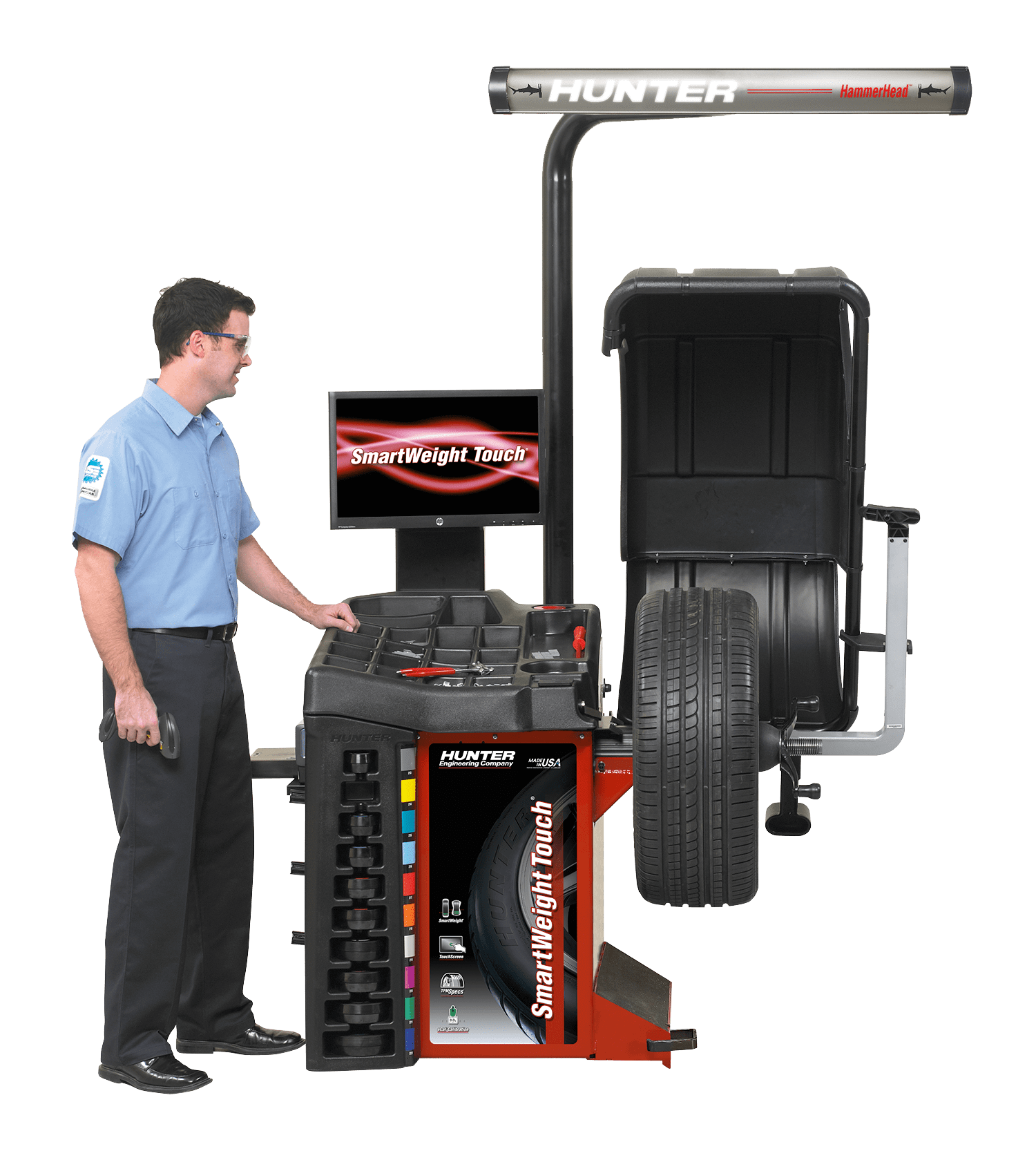
The world of tire balancing is replete with technical jargon and nuanced terminology, yet among these terms, “smart weight” stands out as particularly noteworthy. This concept is gaining traction in the automotive service industry and holds profound implications for vehicle performance. In this article, we explore what smart weight is, how it functions within tire balancing, and why it has become an essential topic of discussion among professionals and enthusiasts alike.
Understanding the Basics of Tire Balancing
Before delving into the nuances of smart weight, it’s critical to comprehend the fundamental principles of tire balancing. Tire balancing is a meticulous process aimed at ensuring that a tire rotates evenly around its axis. When tires are unbalanced, it leads to an uneven distribution of weight, resulting in vibrations that can compromise the driving experience and shorten the lifespan of the tires.
Traditional tire balancing methods often involve the application of lead weights, affixed to the rim, to counteract the imbalances. However, with advancements in technology, a new methodology has emerged: Smart Weight technology. This modern approach offers a more precise and efficient means of achieving optimal balance.
What Is Smart Weight?
Smart weight refers to a sophisticated system incorporated within modern tire balancers. It leverages advanced sensors and computerized algorithms to determine the exact weight and placement required to achieve perfect balance. Unlike conventional methods, which rely on trial and error, smart weight systems provide instantaneous and accurate results, dramatically streamlining the balancing process.
This innovative technology is particularly advantageous in a fast-paced automotive landscape, where efficiency is paramount. The algorithms used in smart weight systems analyze various factors, including tire size, type, and wheel dimensions, to ascertain the most effective balancing approach.
The Advantages of Smart Weight Technology
As the automotive industry evolves, the importance of embracing high-precision technology cannot be overstated. Smart weight technology offers several advantages that render it an invaluable asset for tire shops and service stations alike:
- Enhanced Accuracy: The integration of advanced sensors allows for a level of precision that traditional methods often lack. Miscalculations can lead to improper weight distribution, increasing the likelihood of vibrations and wear.
- Time-Efficiency: With the ability to rapidly compute the required weights, smart weight technology significantly reduces the time taken for balancing. This efficiency translates into shorter wait times for customers and increased productivity for technicians.
- Reduction in Material Waste: Traditional balancing often requires multiple trial placements of weights, leading to excess material usage. Smart weight technology minimizes waste by providing exact specifications from the outset.
- Improved Customer Satisfaction: Offering a reliable and efficient balancing service can enhance customer loyalty. With less vibration and improved handling, drivers experience a smoother ride, which contributes to overall satisfaction.
The Technical Mechanism Behind Smart Weight
At the heart of smart weight technology lies a complex interplay of sensors and software. When a tire is mounted on a balancer equipped with smart weight features, sensors measure the tire’s rotation, detect imbalances, and relay this data to a computer system.
These computer systems utilize sophisticated algorithms that take into account various data points, including tire characteristics and parameters specific to the vehicle. This comprehensive analysis allows the system to determine the optimal placement and weight needed for precise balancing.
After processing this information, the system presents the technician with clear instructions, indicating where to place weights to neutralize any detected imbalances. This level of integration reduces the guesswork traditionally associated with tire balancing and fosters a more streamlined workflow.
The Broader Implications of Smart Weight Technology
The rise of smart weight technology in tire balancing extends beyond the immediate benefits for tire shops and mechanics. Some might wonder why this innovation has garnered such fascination in the automotive community. As the general public becomes more aware of vehicle maintenance, the demand for efficiency and effectiveness in services has surged.
This curiosity about smart weight technology is also indicative of a larger trend toward precision engineering in the automotive sector. Enthusiasts and everyday drivers alike are increasingly drawn to advancements that promise to enhance vehicle performance, safety, and durability. Additionally, as the industry moves towards sustainability, reducing material waste in tire balancing aligns with broader environmental goals.
Conclusion: The Future of Tire Balancing
Smart weight technology represents a paradigm shift in tire balancing, showcasing the intersection of technology and automotive care. By prioritizing accuracy, efficiency, and sustainability, this innovative approach not only optimizes the tire balancing process but also aligns with the evolving expectations of modern drivers.
As we continue to explore advancements in the automotive industry, smart weight technology offers a glimpse into the future of vehicle maintenance. Embracing this technology is not merely a step forward in terms of process; it is a commitment to providing superior service and enhancing the overall driving experience. The future of tire balancing is here, and it is remarkably smart.












