
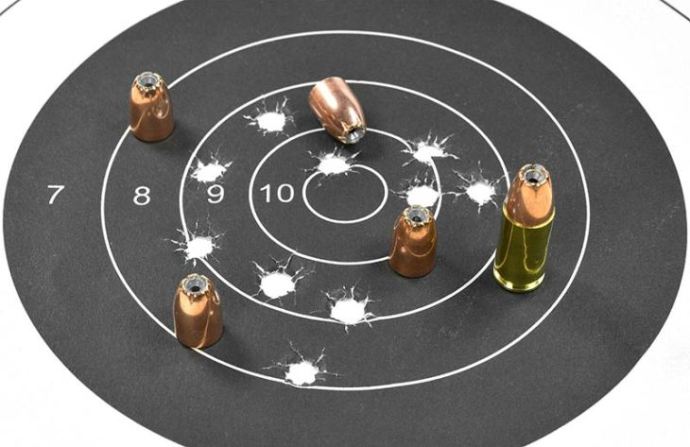
Understanding ammunition can be a daunting endeavor, especially for those new to the world of firearms and shooting sports. Among the myriad of terms and specifications, one word emerges as particularly significant: grain. What does grain actually mean in the context of ammo? The answer, while seemingly straightforward, opens up a Pandora’s box of intricacies that can enlighten or confuse. This article delves into the meaning of grain, its implications for performance, and how it can affect your shooting experience.
Defining Grain: More than Just a Weight Measurement
The term “grain” originates from an ancient system of measurement, where one grain is equivalent to 1/7000th of a pound or approximately 0.065 grams. Though it serves as a unit of weight, the implications of grain in ammunition reach far beyond mere numbers. Each bullet is categorized by its grain weight, directly influencing its trajectory, impact, and overall efficacy. This seemingly innocuous specification can drastically alter your experience, whether you’re hunting in the wilderness or engaging in competitive shooting.
The Science Behind Grain Weight
Bullet design is an intricate science where materials, size, and weight come together to create a projectile capable of delivering optimal performance. When manufacturers produce a particular type of ammunition, the grain weight reflects the mass of the bullet. For instance, a .40 caliber round might be available in weights ranging from 155 grains to 195 grains, each offering different ballistic properties. Lighter bullets typically yield higher velocity but may lack the mass needed for deeper penetration. Heavier bullets, on the other hand, generally possess a more significant kinetic energy and can deliver a more substantial impact, which is crucial for hunting larger game.
Velocity vs. Energy: The Balancing Act
When contemplating grain weight, one must consider the relationship between velocity and energy. A heavier bullet generally moves slower than a lighter bullet, which often translates to differences in muzzle velocity. Velocity is essential for achieving a flat trajectory; however, energy, measured in foot-pounds, plays a pivotal role in how the bullet performs upon impact. A lighter bullet may reach its target faster, but a heavier bullet will typically deliver more force, leading to better terminal ballistics. The challenge lies in finding a harmonious balance that suits your specific needs, whether that be accuracy at long distances or stopping power at closer ranges.
Applications of Grain Weight: Understanding Your Needs
To fully grasp the implication of grain in ammo, it’s essential to align your selection with your intended purpose. Consider the following categories:
- Target Shooting: For routine target shooting or competition, lighter grains (often ranging from 115 to 147 grains for 9mm) are popular due to their flatter trajectories and lower recoil, allowing for rapid follow-up shots.
- Hunting: For hunting applications, the choice of grain will significantly vary based on the type of game. Heavier rounds (like 150 grains or above for deer) can effectively penetrate the hide and deliver the necessary energy for a humane kill.
- Self-Defense: In self-defense scenarios, many prefer ammunition in the medium grain range, typically between 124 and 147 grains, as it provides a balance of velocity and stopping power.
Ultimately, understanding your specific needs can guide you toward making the most informed choices in ammunition selection.
Grain Weight and Accuracy
Accuracy, a prized attribute in any firearm experience, is heavily influenced by the bullet’s grain weight. The weight of the bullet affects its stability in flight, determining how it interacts with air resistance and gravity. Heavier bullets often exhibit more consistent performance in adverse weather conditions, resisting wind drift and maintaining their trajectory better than lighter alternatives. For precision shooters, choosing the right grain weight import to their shot groupings can lead to impressive results. Consider testing various bullet grain weights to discover which most closely aligns with your shooting style and firearm capabilities.
The Myriad of Options: Finding Your Perfect Round
The ammunition market is saturated with options, making it essential to experiment with various grain weights and bullet types. Brand loyalty may lead you to a specific manufacturer, but do not overlook the importance of bullet grain in your shooting journey. A heavy-duty load designed for hunting might not suit casual target practice, and a rapid-fire round may not deliver the fidelity required for long-range precision. Embrace the pursuit of knowledge to optimize your overall experience.
The Evolution of Ammunition and Its Terminology
Ammunition technology has evolved tremendously, with innovations that have birthed myriad bullet designs, from hollow points to full metal jackets. As this evolution continues, so too does the terminology surrounding ammunition. Understanding terms like grain weight, ballistic coefficient, and sectional density can significantly enhance your ability to navigate the complex landscape of firearms and ammunition. Each facet contributes to a shooter’s mastery over their weapon and the art of marksmanship.
Final Thoughts: Embrace Your Curiosity
The world of firearms is an endless expanse of learning and discovery, and understanding what grain means in ammo provides just a glimpse into this intricate universe. Allow yourself to explore the myriad of options available, engage with fellow enthusiasts, and continually refine your knowledge. Your journey is far more than just selecting the right round; it’s about understanding the nuances that make each shot an experience unto itself. Be it in the field or at the range, each decision you make molds your shooting adventure, and knowledge is your most powerful ally.












