
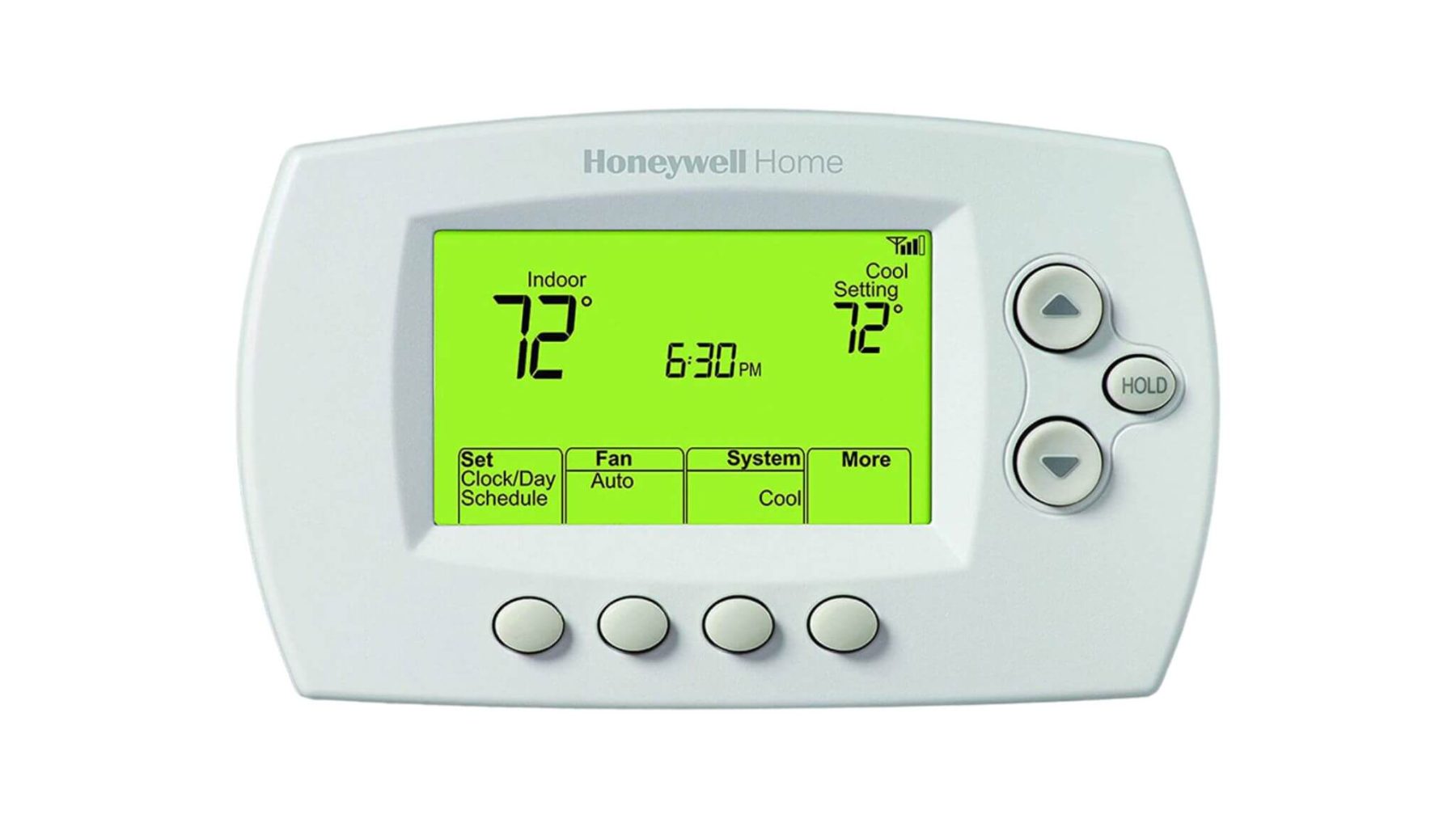
The thermostat, an unassuming instrument nestled within the walls of our homes, often becomes a focal point of our temperature-related discussions. Among its many functionalities, one feature stands out: the “Hold” button. While seemingly straightforward, this feature has garnered intrigue among homeowners and renters alike. What does “Hold” mean on a thermostat, and why does it matter? Delving into its significance reveals not only practical benefits but also a deeper understanding of how we interact with our living environments.
At its core, the Hold function is designed to provide temperature control autonomy. When pressed, this button overrides the thermostat’s regular programming, allowing users to dictate the room temperature without the automatic temperature fluctuations that pre-set schedules typically enforce. Imagine returning home from a long day; instead of being greeted by the chilly air left behind by a programmable thermostat, activating the Hold feature enables a welcoming warmth to embrace you immediately.
Understanding its functionality requires a bit of contextual knowledge. Many modern thermostats come equipped with programming capabilities, allowing users to schedule temperature adjustments based on their routines. This feature is particularly advantageous for those with varying daily schedules, as it promotes energy savings by adjusting the climate when occupants are away. However, life can be unpredictable. An unexpected meeting, an impromptu dinner invitation, or even a change in the weather necessitates a need for flexibility. This is where the Hold feature shines.
By engaging the Hold button, the thermostat continues to maintain a specific temperature until the user decides otherwise. This can be particularly useful during extreme weather conditions. For instance, during a sweltering summer day, activating Hold may keep the air conditioning running relentlessly to provide solace against the oppressive heat. Conversely, in the depths of winter, Hold ensures that the warmth permeates throughout the house, maintaining a cozy haven against the biting cold. The ability to maintain your desired temperature becomes not just a matter of comfort, but a reflection of personal preference and emotional stability, underlining the profound relationship we share with our indoor environments.
Moreover, the Hold function encourages mindfulness about energy consumption and costs. While the convenience of maintaining a stable temperature is appealing, it also necessitates a careful consideration of energy use. For eco-conscious individuals, the ability to employ Hold judiciously—perhaps during peak hours of electricity pricing or at moments of high energy demand—can lead to a healthier balance between comfort and responsibility. By understanding when to utilize this feature, homeowners can effectively manage their energy expenditures, aligning thermal comfort with sustainable practices.
However, it is essential to recognize that the Hold function is not without limitations. Continuous use of Hold may inadvertently lead to elevated energy bills if not carefully monitored. This necessitates a judicious approach; while the promise of constant comfort can be enticing, irregularities in usage patterns may result in excess energy consumption. Furthermore, neglecting to revert to the programmed schedule after using Hold could lead to unexpected temperature shifts, especially when many households host various occupants with differing preferences. Therein lies a delicate balance between enjoying the benefits of Hold and being mindful of its potential drawbacks.
In addition to energy considerations, the Hold feature calls for an examination of individual habits and lifestyle choices. It illustrates how often we prioritize comfort over efficiency, a reflection of broader societal attitudes toward convenience. The moment one chooses to press the Hold button symbolizes a deeper, inherently human desire for control over one’s environment—a sentiment that resonates soundly across myriad aspects of modern life. By taking charge of temperature settings, individuals assert their autonomy, creating a sanctuary tailored to their exact specifications.
Transitioning into technological advancements, modern thermostats are continually evolving, further enhancing the functionality of the Hold feature. Smart thermostats, for instance, are empowering users with sophisticated algorithms capable of learning behaviors and predicting preferences. These devices can automatically adjust the temperature while providing reminders to revert to scheduling or suggesting optimal temperatures based on weather forecasts. With intelligent features in play, the Hold function not only simplifies user experience but also amplifies energy efficiency and sustainability efforts.
Ultimately, understanding what the Hold button means on a thermostat is an invitation to reflect on the intricate interactions between technology and human behavior. It elucidates our persistent quest for comfort, efficient living, and control over our surroundings. Beyond its simple mechanics lies a complex interplay of preferences, energy dynamics, and emotional well-being.
In a world of ever-advancing technology, the Hold function serves as a microcosm of modern living. As we juggle diverse schedules, climate variations, and shifting preferences, this modest button on our thermostats encapsulates both our contemporary challenges and aspirations. In essence, it exemplifies how a small element of our home can wield significant impact over our lives, both from a practical and psychological standpoint.
As you fine-tune your living space, consider the implications of the Hold feature. Embrace its utility, but do so with mindfulness toward energy use and implications on your routine. In an age increasingly characterized by smart home technology and conscious living, the Hold button becomes not merely a function—rather, it epitomizes a conscious choice to enhance the quality of life through understanding and intention.












