
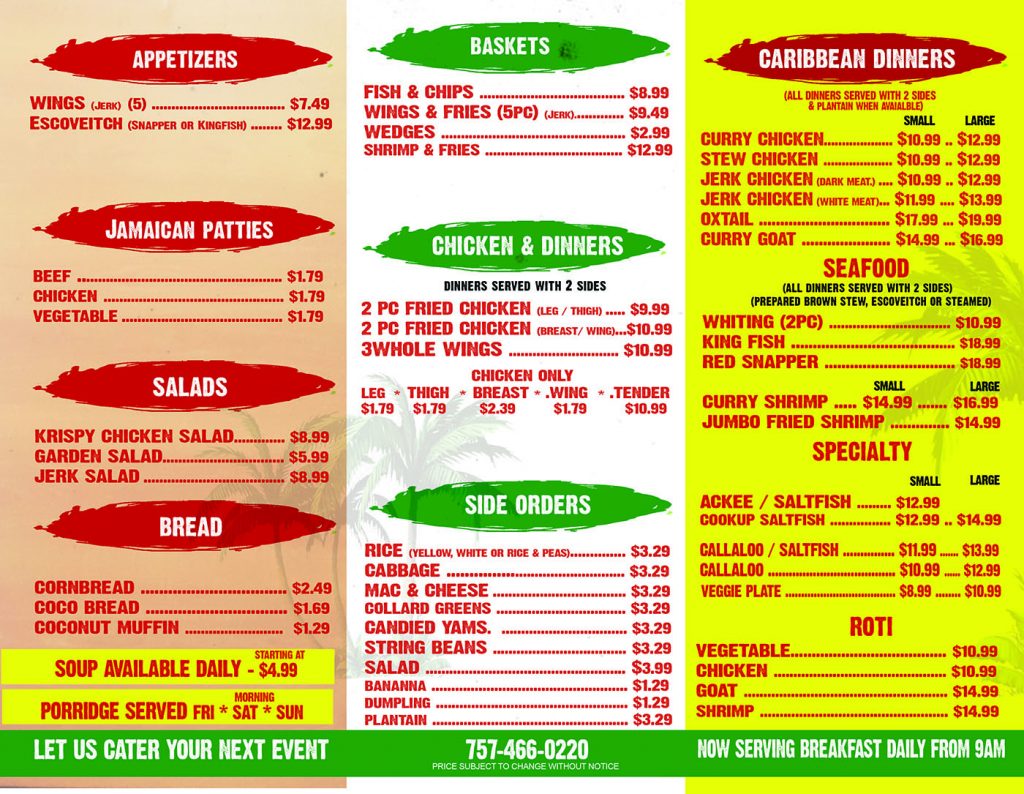
As we navigate through the rich tapestry of culinary nomenclature, certain acronyms often emerge on menus, inviting curiosity and speculation. One such enigma is “MP.” While at first glance it may appear mundane, understanding the implications and reverberations of “MP” can transform a dining experience from ordinary to extraordinary. This article unravels the layers behind this seemingly innocuous abbreviation, all the while prompting a shift in your perspective of dining out.
The significance of “MP” can vary greatly depending on the context in which it is presented. Among the most common interpretations, “MP” typically stands for “Market Price.” This designation subtly informs diners that the cost of the item in question is variable, often influenced by the fluctuating availability of fresh produce or seafood. Such a label hints at an alluring culinary adventure, as it suggests that the dish in question may feature seasonal ingredients, showcasing the chef’s creativity and responsiveness to what’s best in the market on any given day.
Imagine walking into a vibrant culinary establishment where the air is laced with the aroma of fresh herbs and spices. You’re handed a menu and spot “MP” next to a tantalizing dish of seared scallops. This is not mere chance; the market price designation signals freshness, quality, and an emphasis on sourcing the finest ingredients. In areas with access to local fisheries, for instance, the price may fluctuate not only due to market demand but also hinging delicately on the viability of the catch that day. Such a menu decision elevates transparency, merging gastronomy with the natural rhythms of the environment.
But “MP” doesn’t merely imply fluctuating prices; it evokes a conversation about consumer expectations and the philosophy behind modern dining experiences. In an era where diners increasingly prioritize ethical sourcing and sustainability, the market price notation acts as a gentle reminder of the interconnectedness of diner and provider. It beckons patrons to consider the broader implications of their food choices. Are we in tune with the seasons? How are our choices impacting the environment? By offering items at market price, restaurants foster an educational aspect, encouraging patrons to reflect on where their food originates.
Moreover, understanding “MP” invites a deeper engagement with the culinary experience itself. This simple yet powerful acronym can question the value perception of dining out. How often do customers pause to contemplate the labor that goes into bringing a dish from ocean or farm to table? When a restaurant adopts the practice of listing certain items as “MP,” it inherently invites diners into a more intimate relationship with their meal and the mise en place that crafted it. This dynamic can be refreshing, encouraging conversations around quality over quantity, where diners appreciate the craftsmanship of what is served rather than merely evaluating price tags.
One cannot dismiss the allure of spontaneity and exclusivity that “MP” brings to the menu. Imagine, for a moment, dining at a restaurant renowned for its ever-changing selections, designed to match the vibrancy of the season. The thrill of ordering an “MP” dish tantalizes curiosity, as diners ponder what unique offering awaits them. Perhaps the chef has inspired a new creation born from unexpected collaborations or daring flavor pairings, and the market price embodies not just cost, but also an exhilarating narrative of culinary exploration.
Of course, understanding “MP” also necessitates a level of awareness and discernment on the part of diners. It’s essential to navigate these mysterious waters with a keen eye and a straightforward approach. As market prices fluctuate, a diner might find themselves captivated by the chase of a fine dish but must also weigh its worth against their personal budget. Embracing the concept of value becomes critical in this context—grasping the balance of price, ingredient quality, culinary experience, and the desire for novelty. This unconscious negotiation can lead to enlightening conversations at the table, enriching the overall dining experience.
The “MP” notation has transcended its economic implications, evolving into a symbol indicative of a more profound appreciation for values often overlooked in our fast-paced lives. In an increasingly homogenized culinary landscape, chefs evoking “MP” are, in essence, saying, “trust us.” They invite diners to embark on an exploratory journey grounded in authenticity. Guests are no longer just consumers but are transformed into participants in a distinctive culinary narrative shaped by environmental changes and seasonal conditions.
In light of this duality of interpretation and significance surrounding “MP,” it becomes essential for diners to remain informed and engaged. Embracing the concept encourages a more conscientious approach to dining out, where curiosity reigns supreme. What was once merely a line item on a menu gains depth through interpretation, connection, and narrative. With every “MP,” there is an opportunity for a dialogue—an invitation to reflect on the flourishing collision of socio-environmental factors and culinary artistry.
In conclusion, the meaning of “MP” on a menu is a canvas on which diners can explore the complex interplay of market dynamics, ethical sourcing, and culinary adventure. Embracing this notation reveals a rich narrative that interweaves taste, value, and environment. So the next time you encounter “MP” on a menu, consider it an invitation to embark on a flavorful journey—one that not only tantalizes the palate but also enlightens the mind. In this fluid landscape of gastronomy, every decision we make at the table resonates far beyond the dining room, making every meal a reflection of our choices, values, and curiosity.












