
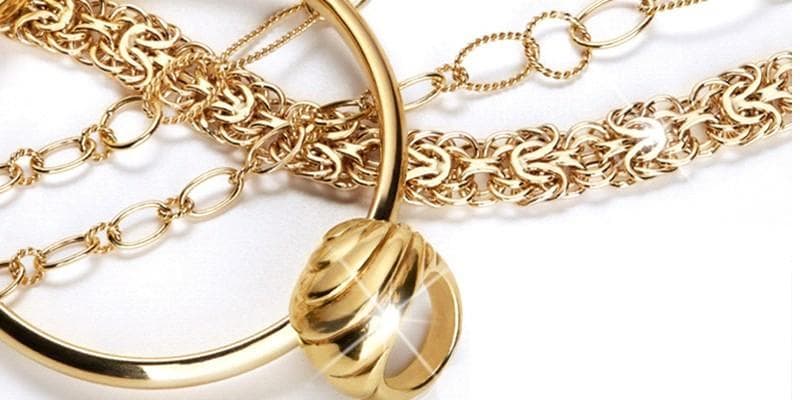
In the world of fine jewelry, gold, with its intrinsic value and enduring beauty, holds a significant place. Within the realm of gold jewelry, there exists a standard of measurement that defines authenticity and quality: gold markings. Among the most recognized of these is the number 585. But what does 585 mean on jewelry? This seemingly innocuous number carries with it a depth of meaning that speaks to the very nature of gold itself and the meticulous craftsmanship that goes into creating stunning pieces. Let’s delve into this marking, its implications, and the broader context of gold purity.
The Chemistry of Gold: Understanding Purity
At its core, the number 585 refers to the purity of the gold in a piece of jewelry. Specifically, it indicates that the item is composed of 58.5% pure gold. This classification stems from the broader metric system used to denote the gold content in an alloy, compared to the total weight. In contrast, the remaining 41.5% usually consists of other metals, such as copper or silver, which serve to enhance the hardness and durability of the gold. Thus, a 585 gold piece, often referred to as 14-karat gold in the United States, strikes a balance between the luxurious appeal of gold and practical functionality for everyday wear.
The Allure of Gold Markings
Gold markings like 585 are not merely numerical labels but rather symbols of value, heritage, and artistry. They resonate with consumers who are not only interested in the aesthetic aspects of jewelry but also the story behind its creation. When a piece carries a 585 mark, it signals that it has undergone a rigorous quality assessment—ensuring the buyer that what they are purchasing is legitimate and of a certain standard.
Historically, the utilization of such markings can be traced back thousands of years. Ancient civilizations often employed similar methods to authenticate the purity of their gold. From the Egyptians, who gilded artifacts for their deities, to the Greeks, who crafted exquisite gold jewelry, the dedication to maintaining gold purity has been a longstanding cultural practice. Today, the continuation of this tradition allows consumers to make informed choices, adding a layer of satisfaction to their purchases.
The Variance of Gold Standards
While 585 denotes a specific gold content, it is essential to comprehend the broader spectrum of gold standards. Gold is often categorized by karat systems in various countries: 24-karat represents pure gold, while 18-karat equals 75% purity (750). Each designation has its appeal, allowing consumers to select pieces that align with their aesthetic preferences and values. In many European countries, gold jewelry is commonly marked with 585 or 750 to denote quality, while other regions may have different standards. Understanding these distinctions can elevate your appreciation of fine jewelry, as they provide insight into its craftsmanship and the intention behind its creation.
The Impact of Alloy Composition
The other 41.5% in a 585 gold piece typically consists of alloying metals, which play a crucial role in the overall characteristics of the jewelry. Each metal added can alter the color, finish, and durability of the final product. For instance, when copper is introduced, the resulting hue may exhibit a warm rose tone, while a blend with nickel can create a white gold finish, appealing to modern tastes. These variations illustrate the adaptability of gold, allowing artisans to innovate and meet diverse consumer desires.
The Ethics of Gold Sourcing
In recent years, the conversation surrounding gold jewelry has expanded beyond its beauty and craftsmanship, delving into the ethical considerations of gold sourcing. The allure of 585 gold not only lies in its splendid aesthetics but also in the dialogues around responsible mining practices and sustainable production methods. As consumers grow increasingly aware of the socio-political implications of their purchases, they often seek out brands that prioritize ethical sourcing and transparency. This shift in consumer behavior has propelled many jewelers to adopt more responsible practices and highlight their commitment to sustainability. The number 585 can thus serve as a point of departure for broader discussions about what it means to invest in a piece of jewelry—encompassing artistry, ethicality, and sustainability.
Care and Maintenance of 585 Gold Jewelry
Caring for 585 gold jewelry is essential to preserve its luster and elegance. Gold, while relatively resistant to tarnishing, can become dull over time due to exposure to environmental factors and the oils of the skin. To maintain the allure of 14-karat gold, regular cleaning with a soft cloth and periodic professional polishing is recommended. Avoiding abrasive materials and harsh chemicals is crucial, as these can damage the delicate finish of the piece. By implementing a simple maintenance routine, wearers can safeguard their cherished jewelry for generations.
Final Thoughts: A Mark of Pride
The significance of the 585 hallmark transcends mere numerical representation; it embodies a legacy of craftsmanship, ethical consciousness, and the sheer beauty of gold. Understanding what 585 means on jewelry empowers consumers to make informed decisions while fostering a deeper appreciation for their adornments. Whether adorning a cherished family heirloom or selecting a contemporary piece, the golden markings serve not only as a measure of quality but also as a reminder of the artistry, thoughtfulness, and tradition woven into each creation. Embrace the allure of 585 gold jewelry—it’s not just an accessory but a testament to quality and a symbol of values that resonate through history.












